Germany’s Rail Sector Breaks Records Despite Persistent Challenges
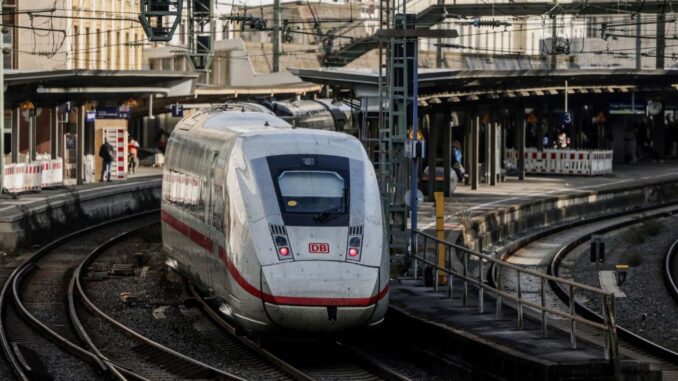
Germany’s rail transportation sector, despite facing ongoing operational hurdles and extensive infrastructure projects, continues to be the preferred choice for millions of commuters and travelers. According to the latest Deutsche Bahn (DB) annual report, the company exceeded 1.9 billion passenger journeys last year, setting a new record. This remarkable achievement demonstrates a resilient public trust in Germany’s train services, even amidst frequent delays and cancellations.
Regional Trains Drive Passenger Growth, Long-Distance Remains Steady
The overall increase in passenger numbers, rising by approximately 3.4% compared to the previous year, centers largely around regional train services. These services have experienced a significant uptick, driven by urbanization, housing growth near transport hubs, and public policy favoring sustainable mobility. In contrast, long-distance travel faced stagnation, with approximately 136 million trips logged last year, roughly on par with the previous year. This divergence highlights shifting travel preferences and the urgent need to modernize and incentivize the long-haul rail segment.
Financial Struggles Despite Record Passenger Numbers
While passenger figures soar, Deutsche Bahn’s financial health tells a different story. The freight transport division particularly faces mounting losses, with an estimated tens of millions of euros in losses projected for the first half of 2025. This ongoing crisis results from multiple factors, including rising fuel costs, bureaucratic delays, and competition from road freight services. Despite the record-breaking passenger ridership, profitability remains elusive, exposing vulnerabilities within Germany’s rail infrastructure and operational efficiency.
Network Modernization: The Key to Sustainable Growth
To address these challenges, Germany must focus on massive infrastructure investments and technological upgrades. Upgrading tracks, signaling systems, and station facilities is vital to reducing delays, improving safety, and enhancing customer experience. Additionally, incorporating digital ticketing, real-time tracking, and smart train management systems can dramatically increase operational efficiency. Experts emphasize that modern, reliable rail networks are fundamental for encouraging modal shifts from cars and planes, significantly reducing Germany’s carbon footprint.
Policy and Investment Strategies to Boost Rail Usage
Government intervention is crucial in revitalizing Germany’s rail sector. Strategic allocation of public funds is necessary to accelerate high-speed rail projects and expand regional networks. Stakeholders advocate for a deliberate and transparent funding strategy, ensuring that investments directly target core infrastructure needs. Leaders like Al-Wazir stress the importance of streamlining project approvals and reducing bureaucratic barriers to expedite progress.
Innovations and Future Outlook
The future of German rail hinges upon technological innovation and integrated mobility solutions. Electric trains powered by renewable energy can drastically cut emissions, while autonomous train systems promise enhanced safety and punctuality. Public-private partnerships will likely play a pivotal role in financing and deploying these innovations. With targeted investments and strategic planning, Germany can transform its rail network into a world-class, sustainable transportation system capable of supporting economic growth and environmental goals for decades to come.