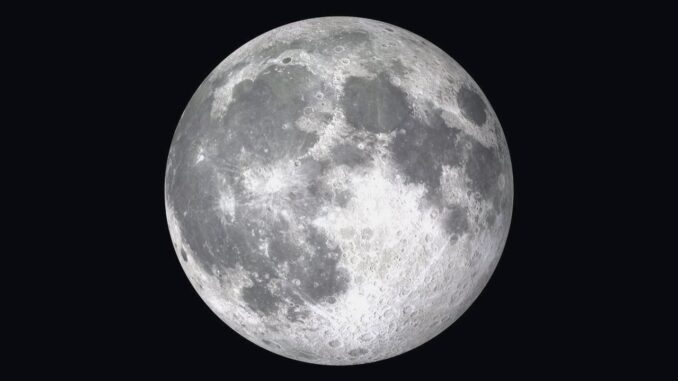
Since humanity first glimpsed the Moon through telescopes, questions about who owns it have persisted, sparking a complex web of legal, political, and ethical debates. As technological advancements push us closer to utilizing lunar resources, this ancient curiosity has transformed into a pressing international issue. The core challenge lies in aligning centuries-old treaties with modern ambitions—balancing exploration, commercial interests, and preserving the Moon as a shared heritage of humankind.
Foundations of International Space Law
The primary legal framework guiding activities beyond Earth springs from the 1967 Outer Space Treaty, which established the Moon and other celestial bodies as the province of all mankind. This treaty explicitly prohibits any nation from claiming sovereignty over sovereign territories, asserting that space activities should benefit humanity as a whole. Its core principles are:
- Freedom of exploration for all nations.
- Activities must be peaceful and not cause conflicts.
- Responsibility for national space activities rests with the occupying government.
- The Moon’s resources are considered common heritage—not property.
Though groundbreaking, the treaty leaves ambiguity about resource extraction rights and private ownership, leading to future conflicts as activities intensify.
The Muddled Landscape of Property Rights
The 1967 Outer Space Treaty intentionally avoids granting sovereignty or property rights over the Moon, but recent developments challenge this stance. Countries like the United States and Luxembourg have adopted laws that permit companies to claim ownership over mined Lunar materials, creating a legal gray area.
For instance, the US Commercial Space Launch Competitiveness Act of 2015 explicitly allows American firms to keep and sell resources extracted from asteroids and the Moon. While this law incentivizes private investment in space, it directly conflicts with principles of international law and risks sparking disputes with nations that see such claims as encroachment on the shared heritage of humanity.
Commercial Exploitation Sparks Legal Controversy
Private enterprises are increasingly eyeing lunar resources—especially water ice, which can be converted into rocket fuel, and rare minerals vital for electronics. As firms like SpaceX and Blue Origin develop lunar missions, questions about resource ownership become urgent:
- Who legally owns extracted resources?
- Can private corporations claim property rights?
- What legal mechanisms enforce these rights on international platforms?
This dilemma feeds into a broader debate: should lunar resources be considered public domain or open to private claim? The current legal vacuum makes it difficult to regulate or resolve conflicts effectively.
The Role of International Negotiation and Treaty Revision
Recognizing the gaps in legal protections, many experts advocate for a new treaty or amendments to existing laws that clearly define property rights in outer space. Such regulations would need to address:
- Shared ownership models, possibly akin to maritime law’s territorial divisions.
- Licensing and regulation of private claims, ensuring equitable distribution.
- Dispute resolution mechanisms for international conflicts.
Creating a multilateral framework requires diplomatic consensus—an uphill task given geopolitical tensions and competing commercial interests. Nonetheless, establishing clear legal standards is essential to prevent unchecked claims that could escalate into conflicts.
Ethical and Strategic Considerations
Beyond legality, ethical questions surround lunar property rights. Many argue that the Moon should remain a human
resources, maintained for scientific research and future generations. Conversely, proponents of commercial exploitation emphasize innovation and economic growth, citing the Moon’s untapped potential. These competing visions necessitate a strategy balancing innovation with stewardship.
Strategically, control over lunar resources could shift the balance of power among nations, potentially leading to space “colonialism” or resource-driven conflicts. International cooperation must prioritize transparency and shared sovereignty to avoid fragmenting the Moon into rival claims.
Technological Barriers and Future Outlook
Technological advancements are making lunar resource utilization increasingly feasible. However, legal uncertainties remain a formidable barrier. Effective regulation must keep pace with technological progress to prevent legal limbo. The development of autonomous extraction technologies and in-situ resource utilization (ISRU) systems demands clear legal guidelines for ownership and liability.
The future of lunar property rights hinges on establishing treaties that reflect the realities of modern space activities. International bodies like the United Nations Office for Outer Space Affairs (UNOOSA) are working towards consensus, but progress remains slow. As private companies accelerate their lunar plans, the urgency to craft comprehensive, fair, and enforceable legal frameworks becomes critical to avoid future conflicts and to ensure that humanity’s exploration remains sustainable and equitable.