Transforming Eurasian Connectivity with Reşt-Astara Rail Link
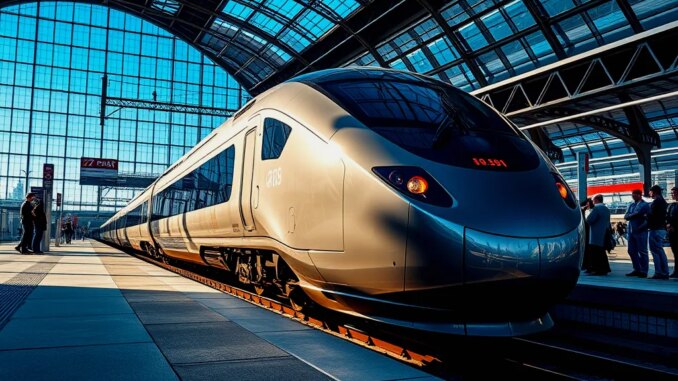
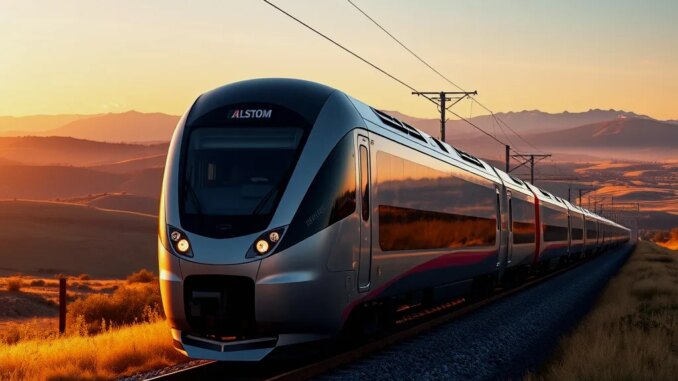
The Reşt-Astara railway project stands as a pivotal development in international trade corridors linking Iran, Russia, and beyond. This ambitious infrastructure endeavor is not just about laying tracks; it’s about creating a sustainable trade highway that could dramatically redefine economic landscapes across Eurasia. As the project advances, it promises to accelerate transportation times, reduce costs, and open new markets for a range of commodities, from agricultural products to energy supplies.
Specifically, the focus on the Reşt-Astara segment of the greater North-South Transport Corridor underscores its strategic importance. With the construction process gaining momentum, Iran is positioning itself as a central hub in this interconnected network. But why is this particular corridor so vital?
The Significance of the Reşt-Astara Railway in Eurasian Trade
The Reşt-Astara corridor is more than a transit route; it is a crucial bridge linking diverse economies. Currently, trade between Russia and Iran hovers around $5 billion annually, a figure projected to grow exponentially with the completion of this railway. When operational, experts estimate that the trade volume could reach up to $30 billion in the medium term.
What makes this corridor compelling is its potential to shorten transportation routes that traditionally relied on slower, more costly maritime or overland routes through Europe or the Middle East. This shortening benefits logistics companies, exporters, and importers alike, offering faster delivery times with less bureaucratic red tape.
The Reşt-Astara railway’s strategic position enables Iran to serve as a gateway for Eurasian goods heading toward the Middle East, Africa, and South Asia, effectively positioning the country as a key logistics hub. It also enhances Iran’s energy transit capabilities, potentially turning it into a regional energy corridor.
Current Progress and Challenges in Development
Amidst geopolitical complexities and logistical hurdles, Iran’s government has prioritized the Reşt-Astara project. As Kazım Celali, Iran’s ambassador to Moscow, recently announced, the complex land acquisition processes are nearing completion, with 110 kilometers of the 162-kilometer stretch already resolved. This comes as a significant breakthrough because land ownership disputes have historically slowed down similar infrastructure projects.
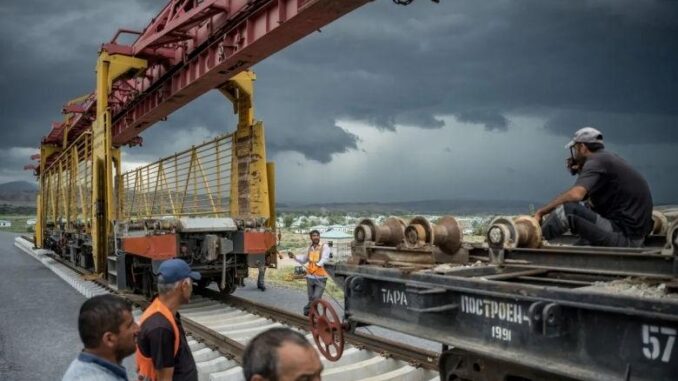
Construction is set to commence formally within the current quarter, marking a milestone that could see this project transform into a functional transcontinental railway. However, the journey isn’t without obstacles. Political tensions, sanction regimes, and funding hurdles still pose risks that could impact timelines and outcomes.
Funding and International Backing
The project’s financial backbone lies in a $1.3 billion loan from Russia, alongside Iranian contributions covering the remaining costs. This intergovernmental cooperation exemplifies Eurasian strategic alignments driven by mutual interests. The cooperation underscores a growing trend where regional powers increasingly pool resources to develop infrastructure that has multifaceted geopolitical implications.
Construction plans aim to see the line operational by early 2028, with land devolution and construction phases accelerating to meet this goal. The cooperation between Iran and Russia not only facilitates funding but also signals a shared commitment to diversify energy and commercial routes, reducing dependency on traditional corridors that are vulnerable to disruption.
Economic and Geopolitical Impacts
The ripple effects of completing the Reşt-Astara corridor extend far beyond the borders of Iran and Russia. Firstly, the corridor will ignite regional economies by providing new export avenues for agricultural and manufactured goods. Countries along the route, like Azerbaijan and Turkmenistan, will also experience increased trade activities.
Moreover, the project reinforces Iran’s role as a regional hub for Eurasian trade, which aligns with the country’s broader strategic initiatives to bolster economic sovereignty despite international sanctions. For Russia, this signifies a push for greater Eurasian integration, aiming to circumvent Western sanctions by establishing alternative trade routes.
Politically, the corridor stands as a testament to regional cooperation, possibly paving the way for more multilateral projects that challenge the dominance of Western-led infrastructure initiatives. Yet, it also introduces new geopolitical dynamics that could reshape regional alliances and economic dependencies.
Future Outlook and Strategic Significance
The completion of the Reşt-Astara railway not only signifies a milestone in regional connectivity but also acts as a stepping stone toward a broader Eurasian integration blueprint. As global trade shifts towards multi-modal, diversified supply chains, corridors like this become strategic assets.
In the long term, this railway could serve as a backbone for sustainable regional development, fostering economic diversification for Iran and neighboring countries. It also encourages technological advancements in rail infrastructure, logistics management, and transit security.
With geopolitical landscapes constantly shifting, the success of this project will depend heavily on maintaining stable partnerships, navigating international sanctions, and managing local logistical challenges effectively. But at its core, the Reşt-Astara corridor embodies a bold vision to dramatically reshape Eurasian trade flows and regional power balance.