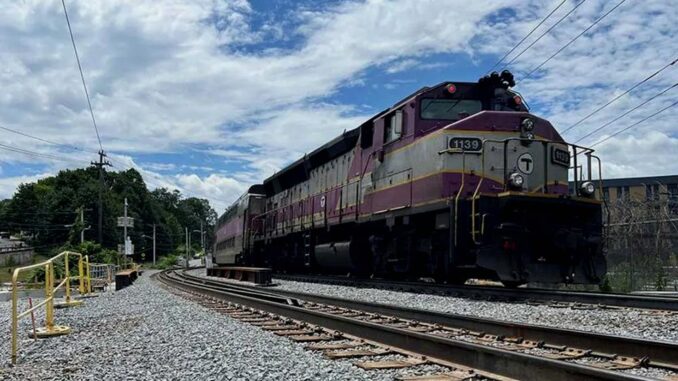
Revolutionizing Boston’s Transit Infrastructure: The $1.06 Billion Railroad Bridge Overhaul
Massachusetts Bay Transportation Authority (MBTA) is undertaking an ambitious project to upgrade the aging railroad bridges crossing the Charles River. Led by Skanska USA Civil, this extensive $1.06 billion initiative aims to transform one of Boston’s busiest transit corridors, ensuring safety, efficiency, and long-term sustainability. This venture marks a significant milestone in Massachusetts’ efforts to modernize its transportation infrastructure, fundamentally changing how train services operate across the Boston, Cambridge, and Somerville areas.
The Core of the Overhaul: Replacing Century-Old Drawbridges
The centerpiece of this project involves replacing 1930s-era drawbridges with state-of-the-art, vertical lift bridges. These modern structures promise to dramatically improve operations by simplifying the process of allowing boat traffic to pass while maintaining seamless train flow. The existing drawbridges, which have served for nearly a century, are no longer suited to meet the demands of frequent train schedules and increased maritime activity.
By installing fully modernized vertical lift bridges, MBTA aims to eliminate the delays caused by traditional drawbridge mechanics. This upgrade will facilitate more reliable, frequent service, and reduce traffic congestion around the bridges—enhancing urban mobility across the city and neighboring suburbs.
Expanding Capacity and Enhancing Operational Efficiency
One of the key features of the project involves increasing the number of tracks from four to six. This enhancement will significantly boost transit capacity, enabling more trains to run concurrently and reducing wait times for commuters. The transformation will also support future growth in passenger numbers, ensuring that Boston’s transit system keeps pace with population growth and urban development.
In addition, the construction includes building new control facilities like the ‘A’ Tower and adding a new ‘F’ platform. These infrastructure components will streamline operations, improve safety protocols, and provide better control over rail traffic movements in the area. The increased capacity and improved control will reduce delays caused by bottlenecks and signal failures.
Upgrading Signaling and Safety Systems
A crucial aspect of the renovation focuses on modernizing the signaling architecture. The project replaces outdated tracks, signals, and installs advanced Positive Train Control (PTC) systems—vital for preventing collisions and ensuring safe train spacing, especially during high-frequency operations.
These modern signaling upgrades result in real-time data updates, allowing dispatchers to monitor and control train movements precisely. Such advancements lead to smoother, more predictable schedules and noticeably enhance safety for both passengers and workers.
Environmental and Community Benefits
Beyond functional improvements, the project emphasizes environmental sustainability. The new bridges are designed to minimize ecological disruption, incorporating features to reduce noise and vibrations that could affect nearby communities and aquatic life.
Construction efforts also include community engagement initiatives, informing residents about upcoming work, and mitigating disruption. As a result, the project aligns infrastructure enhancement with community welfare, making it a model for urban transit upgrades.
Implementation Timeline and Future Outlook
Skanska and the engineering firm VHB began work on these upgrades recently, with the goal to complete them by late 2032. During this period, phases of construction will aim to maximize safety and minimize passenger impact through strategic planning and advanced construction techniques.
Once completed, these upgrades will position Boston as a leading city for transportation innovation, supporting expanded commuter rail services, reducing environmental impact, and increasing resilience against climate change challenges.