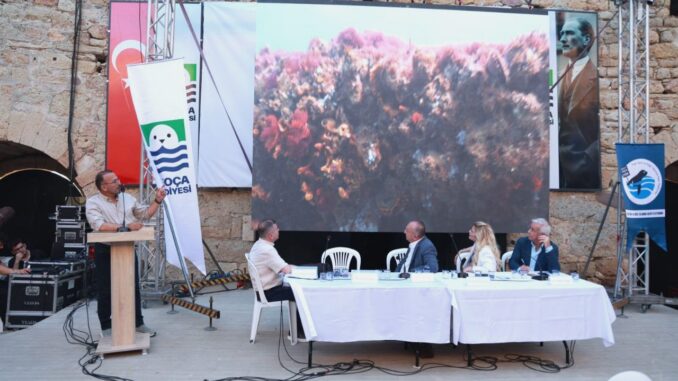
Understanding the Critical Role of Gediz River and Its Impact on İzmir Bay
The Gediz River is more than just a regional waterway; it serves as a vital ecological artery feeding into the Izmir Bay. Its significance extends beyond geography to influence biodiversity, local livelihoods, and regional climate patterns. In recent years, however, intense pollution, industrial runoff, and urban waste have drastically degraded its health, threatening coastal ecosystems and the livelihoods dependent on them.
The Surprising Depth of Coastal Pollution from Gediz’s Bottom Sediments
One of the critical concerns revolvers around the bottom sediments carried into the bay. These sediments are often deposited with harmful substances, including heavy metals, pesticides, and persistent organic pollutants. When this sediment settles on the seabed, it creates a danger zone for marine life—clogging filters, poisoning aquatic organisms, and disrupting reproductive cycles. Scientific field studies show that the levels of pollutants in sediments near the mouth of Gediz have risen by over 60% in the past decade, prompting urgent calls for intervention.
The Science Behind the Pollution: Data and Evidence
Environmental scientists have been gathering data through underwater imaging, sediment sampling, and water quality analysis. For example, recent marine surveys documented a significant decline in benthic biodiversity—organisms that live in the sediment—directly correlating with pollution spikes. Elevated concentrations of mercury and lead have been measured in sediment samples, exceeding safe limits established by international environmental standards.
Why Coastal Ecosystems Are Critical to Our Well-being
Healthy coastal ecosystems support an array of economic and ecological functions, including fish breeding grounds, storm surge protection, and carbon sequestration. The contamination of sediments not only diminishes these benefits but also jeopardizes the sustainability of local fisheries—an essential source of income for communities in the region. Additionally, polluted sediments contribute to bioaccumulation, where toxins accumulate in fish and shellfish, eventually reaching human consumers.
Community and Scientific Initiatives to Address the Crisis
Various stakeholders, including local governments, environmental NGOs, and academic institutions, are actively engaged in efforts to combat this crisis. These initiatives include:
- Sediment dredging to remove accumulated pollutants from critical areas.
- Water treatment plants upgrades to reduce industrial and municipal waste discharge.
- Public awareness campaigns aimed at educating residents and businesses about sustainable practices.
- Rigorous monitoring that pairs satellite imaging with on-the-ground sampling to dynamically respond to pollution levels.
Role of Policy and Regulation in Safeguarding the Environment
Effective environmental protection hinges on strong policy enforcement. Regulations that monitor pollutant discharge, enforce penalties on violations, and incentivize sustainable industry practices are vital. The local authorities, such as Foça Municipality, are now advocating for stricter controls and fostering community involvement in conservation efforts.
Individual Actions to Complement Institutional Efforts
While systemic changes are indispensable, individual actions play a crucial role. Reducing plastic use, participating in community cleanups, and advocating for environmental justice are tangible ways citizens can contribute to mitigating pollution. Awareness is the first step; turning that awareness into action sustains long-term ecological health.
Keep the Momentum Going: How to Stay Informed and Engaged
Staying updated with scientific research, policy developments, and local initiatives is key. Subscribe to newsletter conservations, support local environmental groups, and participate in educational workshops. Your voice amplifies efforts to protect our natural heritage from further deterioration.