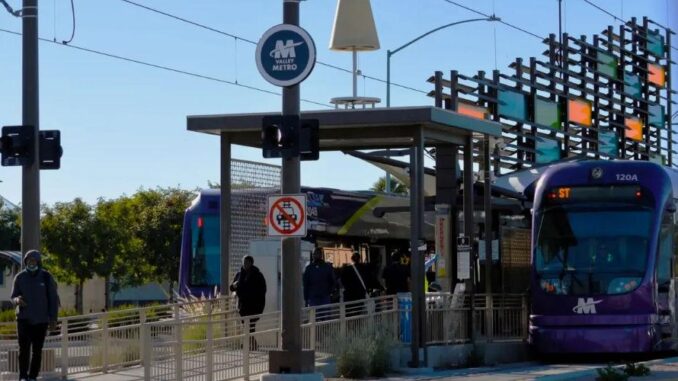
In a decisive move, the Phoenix City Council has halted the proposed light rail extension project that aimed to connect downtown Phoenix more directly to regional transit networks. The vote, which saw only 2 members in favor and 7 against, signals a significant shift in the city’s transportation planning, driven largely by mounting fiscal concerns and political opposition.
Originally, the extension was designed to enhance mobility by offering a high-capacity, reliable transit alternative along key corridors, including the West Valley and central parts of Phoenix. However, persistent debates over cost overruns and budget sustainability have placed this project under scrutiny, leading city officials and residents to question its long-term viability.
Underlying Reasons for Project Suspension
The primary catalyst behind the council’s decision revolves around intense opposition from Republican state legislators who argue that expanding transit infrastructure at current expense levels is an irresponsible use of public funds. Their stance is reinforced by recent analyses indicating that the projected costs of the project have ballooned beyond initial estimates, raising questions about potential tax increments and fiscal burden on taxpayers.
The political discord underscores a broader debate: how should dense urban zones balance infrastructure growth with fiscal prudence? Critics contend that the project’s financial risk outweighs its potential benefits, especially in an uncertain economic climate. As a result, the city is now reevaluating its transportation priorities, shifting focus away from costly rail expansions toward more sustainable solutions.
Federal Funding and Its Withdrawal
Adding fuel to the fire, the city’s decision directly impacts federal support. Phoenix had secured substantial federal grants for the extension, expecting these funds to offset part of the expenses. With the project on hold, the city officially withdraws from the federal development process, jeopardizing future funding opportunities for regional transit initiatives.
This move sends a message to federal agencies and local stakeholders that fiscally questionable projects may no longer be viable, encouraging more prudent and targeted investments in transportation infrastructure.
Reevaluation of Transit Routes: Indian School Road Corridor
While the light rail extension faces suspension, Phoenix’s transportation authorities are exploring a pragmatic alternative: redirecting focus to the Indian School Road corridor. Recognized as a vital artery for West Phoenix, Indian School Road serves thousands of commuters daily and is seen as a strategic route for high-capacity transit services.
The new plan involves deploying Bus Rapid Transit (BRT) systems and other flexible transit modes that are more cost-effective and easier to implement than traditional light rail. These alternatives can offer comparable service levels while avoiding the hefty expenses associated with rail infrastructure. Community engagement remains a critical component here, ensuring local residents and businesses play an active role in shaping the future transit models.
Future of Urban Mobility in Phoenix
Phoenix’s transit strategy appears to be shifting from monumental infrastructure projects toward innovative, adaptive approaches that prioritize sustainability, affordability, and operational efficiency. This includes integrating technology-driven solutions such as real-time tracking, on-demand shuttles, and multimodal hubs that seamlessly connect various transportation modes.
In addition, city officials aim to leverage remaining federal funds to pilot pilot programs that test these new systems in targeted areas, potentially serving as models for future expansion if proven successful. The emphasis is increasingly on scalable, modular transit solutions that respond directly to community needs and fiscal realities.
Impacts on Local Communities and Businesses
The decision to halt the light rail project may initially disappoint some residents who envisioned improved mobility and economic development along the corridors. However, by redirecting resources toward more flexible transit options, the city can foster local economic growth without the heavy financial burden of sprawling rail lines.
Small businesses along Indian School Road stand to benefit from increased accessibility and foot traffic generated by these more adaptable transit modes. Moreover, the focus on community-driven planning helps ensure that transportation enhancements align with the actual needs of neighborhoods, driving more inclusive urban growth.
Conclusion
The Phoenix City Council’s decision underscores a strategic pivot in urban mobility planning, emphasizing cost-effective alternatives over traditional, large-scale infrastructure. This approach aims to balance the city’s transportation demands with fiscal responsibility, ensuring its infrastructure investments are sustainable and community-centered. As Phoenix charts this new course, it demonstrates a broader trend among rapidly growing cities: embracing innovation and flexibility in transit development to build smarter, more resilient cities.
The outcome of this political and operational shift will shape Phoenix’s urban landscape for years to come, influencing how residents, businesses, and policymakers think about mobility, growth, and fiscal integrity in the modern era.