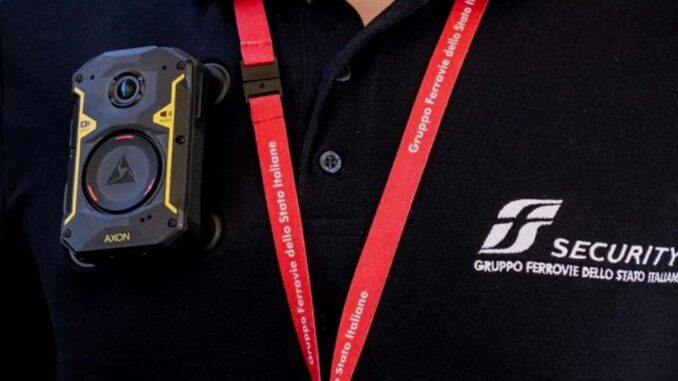
The safety of railway personnel and passengers is taking a significant leap forward in Italy, as the national railway operator, FS Italiane, prepares to institutionalize the use of body cameras across its security teams. This initiative is not just a technological upgrade; it represents a strategic shift in how safety, accountability, and conflict prevention are managed in Italy’s busy rail network. The implementation is slated for 2025, after extensive negotiations with labor unions and safety authorities, signaling a future where technology and human oversight work hand-in-hand to prevent incidents before they escalate.
Why Body Cameras Are a Game-Changer in Railway Security
Railways, especially in densely populated regions, are prone to various challenges, including vandalism, fare evasion, physical assaults on staff, and confrontations involving passengers. Traditionally, security personnel relied heavily on manual interventions, witness reports, or temporary recordings that lacked reliability and transparency. However, the deployment of body-mounted cameras transforms this landscape by offering real-time, unbiased evidence collection, which is crucial for both immediate intervention and long-term investigations.
These devices serve multiple purposes: they act as deterrents for malicious behavior, provide police and security staff with critical situational awareness, and ensure a factual record of incidents, which reduces false accusations or disputes. Importantly, the cameras are designed to be an active part of the security protocol, not just a passive recording tool.
The Policy Behind the Implementation
The decision to embed body cameras into the routine security operations of FS Italiane’s personnel emerged after comprehensive consultations with labor unions. The goal was to craft a balanced policy that upholds security without infringing on privacy rights. As opposed to continuous recording, the policy specifies that the cameras will be activated manually by security officers during suspected or actual threats. This targeted approach preserves individual privacy and ensures that recordings are relevant and compliant with data protection laws.
By 2025, all railway security personnel will be equipped with these devices, making it a standard part of their gear during shifts. This phased transition aims to train staff, streamline the operational process, and evaluate the effectiveness of body cams, paving the way for broader applications in public transportation security.
Technological Features and Integration
- Live feed transmission: The cameras can connect in real-time to FS Security’s command center. This allows for immediate situational assessment and rapid deployment of additional resources when needed.
- High-definition video and audio recording: The devices record clear audio and video, capturing essential details whether it’s a verbal altercation or physical confrontation.
- Secure data storage: All footage is encrypted with advanced security protocols. This ensures that recordings remain tamper-proof and accessible only to authorized personnel, maintaining integrity and compliance.
- Manual activation and deactivation: To respect privacy, officers activate the cameras consciously when they encounter situations warranting recording, avoiding continuous surveillance.
- Battery life and durability: Designed to withstand harsh outdoor conditions, these cameras operate for extended periods and are resistant to impacts, dust, and water.
Enhancing Safety and Accountability
The core advantage of integrating body cameras is deterrence. Knowing they are being recorded, potential offenders are less likely to resort to violence or misconduct, leading to a decline in incidents. Moreover, officers gain a reliable tool for protecting themselves, especially during volatile encounters, reducing liability and exposure to false claims.
For passengers, the presence of visible cameras fosters trust in security operations. When they see security personnel equipped with these devices, they perceive an environment that prioritizes accountability and swift action—factors that greatly enhance overall passenger confidence.
Data Privacy and Ethical Considerations
Deploying surveillance technologies always raises concerns about privacy rights. That’s why FS Italiane’s approach involves strict data governance policies. Recordings are accessed only for investigative purposes, with logs maintained to track viewing and use. Additionally, the cameras will only activate during incidents or upon manual initiation, aligning with privacy laws such as GDPR.
Moreover, personnel receive regular training on ethical use and legal responsibilities concerning body cam footage, emphasizing transparency and respect for passenger privacy while maintaining security standards.
Expected Impact and Future Perspectives
Initial pilot projects and early data suggest that body cameras significantly reduce the frequency of violent incidents and disputes on trains and stations. They also streamline law enforcement procedures by providing clear, indisputable evidence. As Italy’s railway network adopts this technology nationwide, other public transportation services are likely to follow suit, creating a new paradigm of safety rooted in technology-driven accountability.
Furthermore, ongoing innovations such as AI-enhanced analytics could soon enable real-time threat detection, automatic threat classification, and even predictive security measures. As these tools mature, the combination of human vigilance and machine intelligence promises to revolutionize public transportation safety frameworks even further.
The move by FS Italiane underscores a broader global trend where law enforcement and security agencies leverage body-worn cameras not only for evidence collection but also for enhancing operational transparency, protecting personnel, and ensuring passenger safety in increasingly complex urban environments.