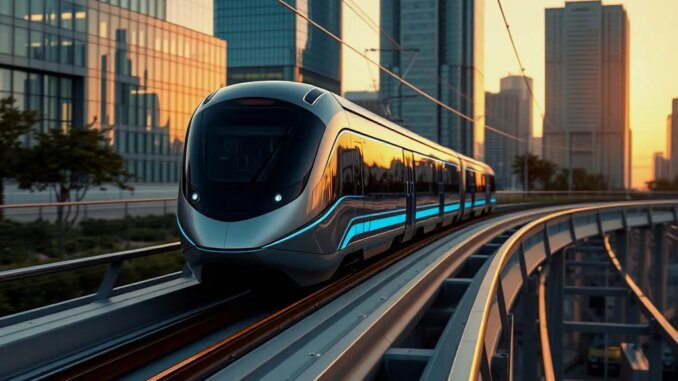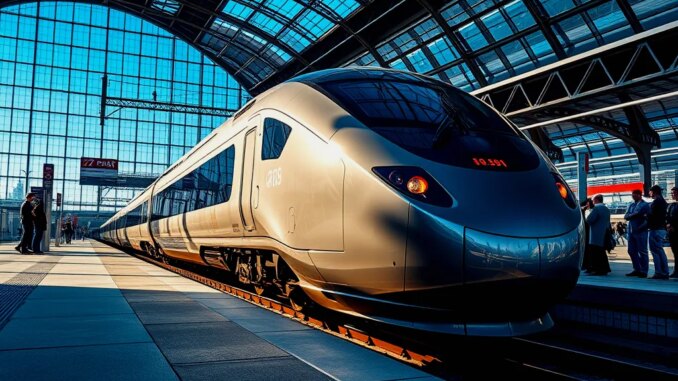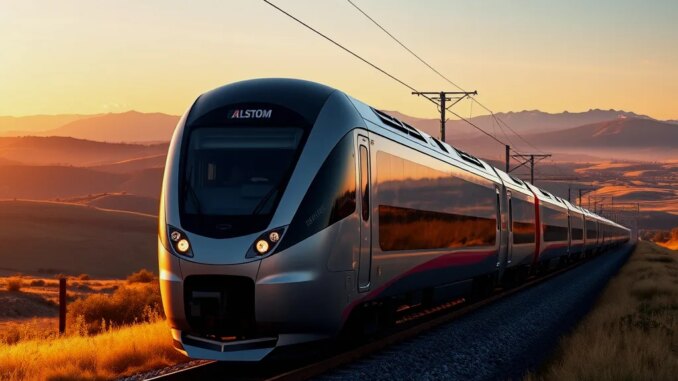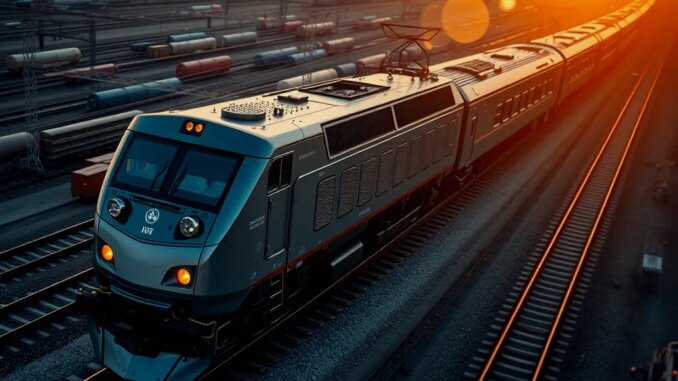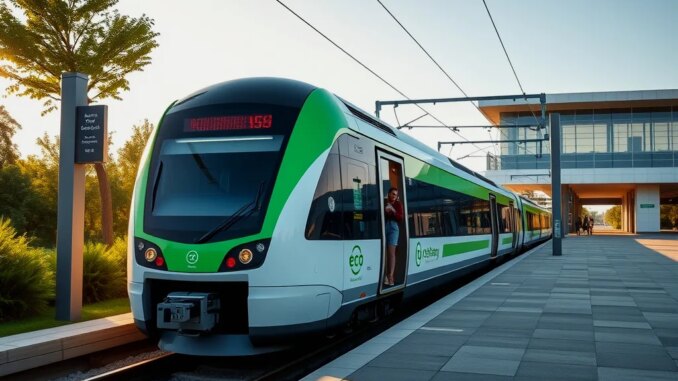
Imagine a future where trains silently glide through the countryside, emitting no harmful gases, and reducing dependence on electric infrastructure. This isn’t a distant dream—it’s now a reality in France, as innovative battery-powered regional trains hit the rails, redefining sustainable transportation. In recent developments, Alstom has launched the first two 100% battery-operated regional trains in the Occitanie and Sud regions, demonstrating practical, eco-friendly alternatives to traditional diesel and electric trains. These advancements promise to reshape regional mobility, slash carbon footprints, and foster a cleaner environment. ## Breakthroughs in Battery-Driven Regional Trains Battery technology in rail transport has evolved rapidly, with modern lithium-ion systems offering remarkable endurance and efficiency. The trains now boast a range exceeding 80 kilometers on a single charge, enough to cover most regional routes without the need for electric infrastructure. These trains employ sophisticated regenerative braking systems, capturing energy during deceleration and feeding it back into the battery, thus optimizing energy use. This process can cut energy consumption by up to 20%, leading to significant operational savings and greener operations. ## Specific Deployments in France: Occitanie and Sud Regions ### Occitanie: Nîmes-Vauvert Line Activated on August 31, the regional train operating between Nîmes and Vauvert exemplifies the potential of battery technology. This hybrid model functions seamlessly, switching between battery and traditional power depending on track conditions. The train’s deployment involved rigorous testing under real-world conditions, which confirmed its capacity to run two additional trips per day, thereby increasing service frequency and reliability. ### Sud: Avignon-Carpentras Line Since July 2026, the Sud region has successfully integrated battery-powered trains on the Avignon to Carpentras route. These trains operate heavily on electrified segments, switching to battery power on non-electrified stretches, enabling continuous service without the need for costly electrification upgrades. This system maximizes existing infrastructure while eliminating the environmental drawbacks associated with diesel engines, directly reducing CO₂ emissions and noise pollution. ## National Program Driving Innovation These regional successes are part of a larger national initiative involving multiple regions, SNCF, and Alstom. With investments surpassing €41 million, this program advances the electrification of regional lines through battery conversions, testing their performance in diverse operational scenarios. Participants have converted existing high-capacity trains into battery-electric models, demonstrating adaptability and scalability. This approach not only offers a solution for non-electrified lines but also complements ongoing electrification projects. ### Advantages over Diesel and Electric Trains – Zero localized emissions: Battery trains produce no diesel exhaust or greenhouse gases during operation. – Cost-effective infrastructure: Eliminates the need for extensive overhead infrastructure, especially vital for rural or difficult terrains. – Operational flexibility: Can run on both electrified and non-electrified tracks, ensuring wider route coverage. – Reduced noise pollution: Offers quieter operation, greatly improving passenger comfort and reducing community impact. ## Technical Insights: How Do These Trains Work? Modern battery trains incorporate advanced lithium-ion packs designed for high density and longevity. They utilize regenerative braking systems to recover energy, extending their range and reducing charging times. Typically, these trains can operate over 80 km on a single charge, tailored to typical regional line lengths. Some models feature modular battery packs, allowing operators to upgrade or replace components easily, keeping pace with technological improvements. Operationally, these trains switch between power sources flawlessly, with onboard systems managing energy transfer to optimize performance. ## Investment and Manufacturing: Shaping the Future Alstom leads this technological shift by investing heavily in research and development, aiming to produce scalable, reliable battery trains. The company’s facilities in France focus on iterative improvements, aiming for longer ranges, faster charging times, and reduced costs. Government support accelerates adoption, with regional authorities and the national government endorsing these projects as essential for meeting climate goals and enhancing regional connectivity. ## Broader Impact and Global Potential France’s success sparks interest worldwide. Countries with extensive non-electrified rail networks now look to battery technology as a viable, sustainable alternative. Its flexible deployment suits diverse geographies, from mountain regions to remote rural lines, fostering global decarbonization efforts. By providing a practical solution to long-standing infrastructure limitations, these trains open doors for sustainable transit expansion where electrification is economically or geographically prohibitive. ## Looking Ahead: Challenges and Opportunities While promising, battery rail innovation faces hurdles such as battery costs, weight considerations, and charging infrastructure needs. However, ongoing research aims to reduce costs, improve energy density, and develop fast-charging stations, making these trains more accessible. Collaborations between governments, manufacturers, and energy providers are crucial to overcoming these barriers and scaling up deployment. ## Conclusion Battery-powered regional trains stand at the forefront of sustainable transportation. Their proven performance in France illustrates an immediate, scalable solution to reduce emissions, enhance service, and lower operating costs. As technology advances and investments grow, these silent, emission-free trains will become a cornerstone of modern, eco-friendly regional transit systems worldwide. People Also Ask – *What is the range of current battery trains?* Over 80 km on a single charge. – *How do battery trains compare to electric trains?* They can operate where electrification isn’t feasible, offering flexibility. – *Are battery trains cost-effective?* Yes, especially considering infrastructure savings and operational efficiency. – *What are the main challenges?* Battery costs, weight, and charging infrastructure. – *How does regenerative braking work?* It captures energy during deceleration and recharges the batteries, improving efficiency. By embracing these innovations, regional railways worldwide can revolutionize their sustainability profile, reduce urban pollution, and deliver cleaner, quieter, and more reliable transportation options.