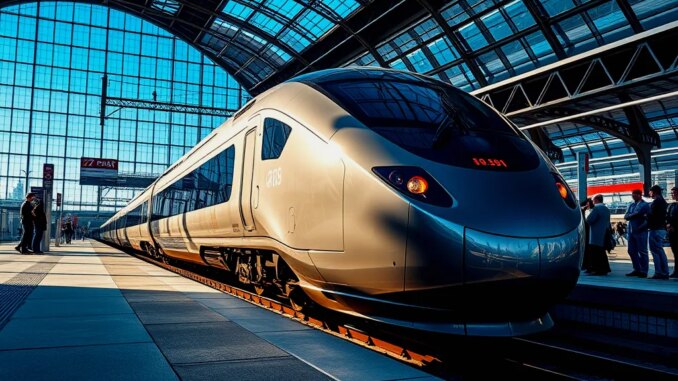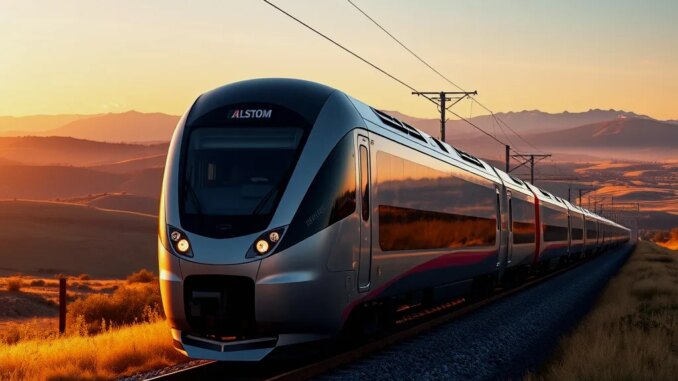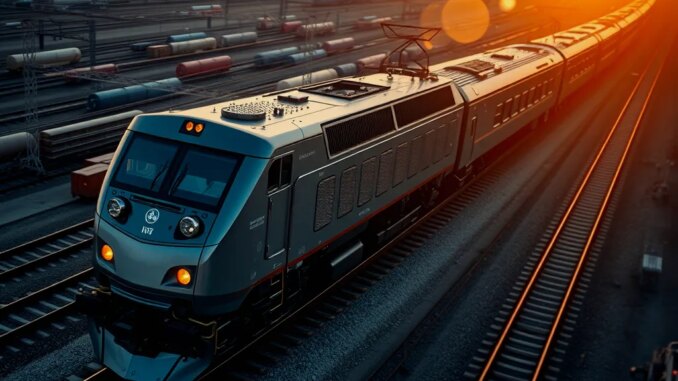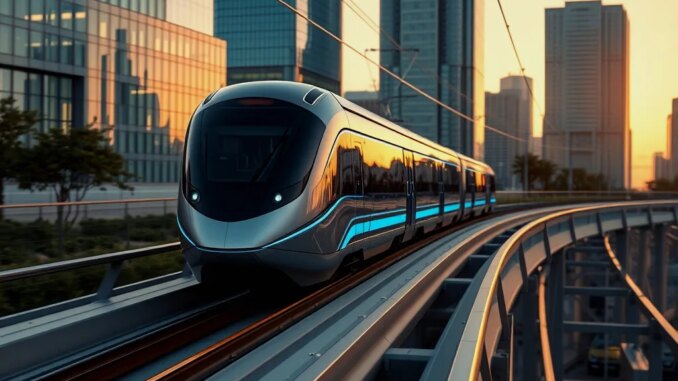
In an era where technology relentlessly pushes the boundaries of what’s possible, the railway industry has achieved a groundbreaking milestone: fully automated train operations proven viable on open tracks. With recent trials demonstrating these trains can operate seamlessly without a driver from departure to arrival, the future of rail travel looks more promising and efficient than ever. This technological leap aims not only at transforming passenger experiences but also at reshaping industry standards, safety protocols, and operational costs. Imagine a train that prepares itself for departure, navigates complex routes, detects obstacles in real-time, and parks itself flawlessly—all without human intervention. This isn’t science fiction; it’s now a reality. The AutomatedTrain project, a collaborative effort involving Siemens Mobility, Deutsche Bahn, and various research institutions funded by the European Union, validates that fully autonomous trains can operate effectively and safely in real-world conditions. Let’s explore how these innovations are reshaping the rail industry. ## How Fully Automated Trains Operate Without Human Drivers The core technology behind driverless trains integrates multiple advanced systems working in harmony. These include Automatic Train Operation (ATO), digital signaling, environment sensing sensors, and intelligent control algorithms. Here’s how the process unfolds: – Pre-Departure Preparation: The train autonomously performs safety checks, system diagnostics, and readiness assessments. – Automated Departure: Upon receiving a departure command, it prepares to move without driver input. – Navigation and Control: Using high-precision GPS, digital maps, and embedded sensors, the train follows predefined routes, adjusts speed, and responds to signals automatically. – Obstacle Detection and Response: Sensors continuously scan for obstacles, such as decoys or emergency vehicles on the track, triggering automatic halts or rerouting. – Automatic Parking: After reaching the destination, the train parks itself following the optimized safety protocols. This seamless operation hinges on the integration of European Train Control System (ETCS) Level 2 standards, which provide real-time control and communication between infrastructure and rolling stock. The result is not only a safer operation but also smoother scheduling and reduced human error. ## The Significance of Open Track Testing for Autonomous Rail Vehicles Testing autonomous trains on open tracks marks a pivotal step in validating their real-world application potential. Unlike controlled environments, open tracks introduce variables such as unpredictable obstacles, complex switching points, and shared rail traffic. Successful navigation in this context demonstrates that these systems can handle daily operational complexities. During recent trials, Siemens Mobility’s Mireo trains autonomously conducted multiple operations, from station approaches to emergency stop maneuvers, all while maintaining safety and punctuality. These tests involved real-world conditions such as varying weather, track signals, and interactions with other trains. Demonstrating robustness under such conditions significantly accelerates regulatory approvals and adoption. ## How Automation Improves Safety, Reliability, and Cost Efficiency Automated trains dramatically improve safety by reducing human errors, which accounts for over 90% of train accidents historically. By leveraging sensors, AI, and strict cybersecurity measures, these systems maintain constant vigilance and respond faster than humans can. Reliability sees immediate benefits; pre-emptive maintenance integrated with automation analytics predicts failures before they occur, minimizing downtime. Automated schedules optimize resource utilization, leading to cost reductions in staffing, delays, and operational inefficiencies. Additionally, automated systems facilitate more frequent and flexible services, especially on less profitable or remote routes, broadening access and reducing transportation disparities. ## How AVVO and Other Safety Protocols Guarantee Autonomous Operation Security At the heart of safe autonomous train operation lies the AVVO (Advanced Vital Vehicle Operation) platform. This crucial system synthesizes data from sensors, control units, and communication networks to secure every movement. – Continuous Monitoring: AVVO keeps converting sensor data into actionable insights, alerting autonomous systems about potential hazards. – Fail-Safe Protocols: In case of anomalies, the system triggers automatic emergency brakes and notifies control centers immediately. – Robust Communication: Secure links between trains and railway infrastructure prevent data breaches and ensure commands aren’t intercepted or falsified. By integrating AVVO with redundant safety measures, autonomous trains not only achieve operational excellence but also establish a new safety paradigm that surpasses manual operations. ## Creating Standards and Future Outlook for Fully Automated Railways The success of these pilot projects prompts a critical need for international standards in autonomous rail operations. Efforts are underway to develop regulatory frameworks that define technical specifications, safety protocols, and interoperability standards. European bodies, led by agencies like the European Union Agency for Railways, collaborate with industry stakeholders to formulate these standards, ensuring widespread adoption without compromising safety. Looking ahead, automation will expand beyond passenger trains to freight logistics, addressing challenges like driver shortages and enhancing supply chain resilience. Investments in infrastructure upgrades, cybersecurity, and AI capabilities will underpin this shift. ## How Governments and Industry Collaborate for Autonomous Train Deployment Government policies play a crucial role in fostering innovation through funding, regulations, and pilot programs. The European Union’s support via Horizon Europe and national investments, like Germany’s economic stimulus packages, accelerate the transition towards autonomous rail systems. Industry partnerships enable rapid development and testing, combining technical expertise with regulatory insights. Such alliances have proven vital to overcoming technological hurdles and establishing large-scale operating frameworks. ## The Road Toward Fully Autonomous Rail Networks Implementing fully autonomous trains on a large scale involves several steps: 1. Advanced R&D: Continue refining sensor technologies, AI algorithms, and cybersecurity measures. 2. Pilot Projects: Expand open-track testing in diverse operational environments. 3. Regulation and Certification: Develop clear standards for safety, reliability, and interoperability. 4. Infrastructure Upgrades: Invest in digital signaling, communication networks, and station automation. 5. Public Acceptance: Educate and inform the public about safety benefits and operational efficiencies. These steps will culminate in a future where train operations rely on automation, resulting in safer, more efficient, and environmentally friendly rail networks worldwide. ## Conclusion The successful demonstration of fully automated trains signals a transformative era in rail transportation. By integrating cutting-edge technologies, rigorous testing, and robust safety protocols, the industry paves the way for safer, more reliable, and cost-effective rail journeys. This shift not only meets today’s demands for mobility and safety but also prepares rail networks to meet the challenges of tomorrow—sustainable, intelligent, and autonomous. ## FAQs Q1: Are fully automated trains safe for passengers? Yes, with extensive sensor systems, AI controls, and safety protocols like AVVO, automated trains maintain safety standards that match or surpass manual operations. Q2: When will autonomous trains become common in regular service? Progress varies globally, but pilot projects and regulatory developments suggest a broader adoption within the next decade. Q3: What are the main challenges in deploying autonomous trains? Challenges include infrastructure upgrades, cybersecurity, regulatory approval processes, and public acceptance. Q4: How do autonomous trains communicate with infrastructure? Through secure, high-speed digital signaling systems aligned with ETCS standards, ensuring synchronized and safe operations. Q5: Can autonomous trains operate without any human supervision? While fully autonomous operation is feasible, current deployments often include oversight for safety and emergency handling until technology matures further.