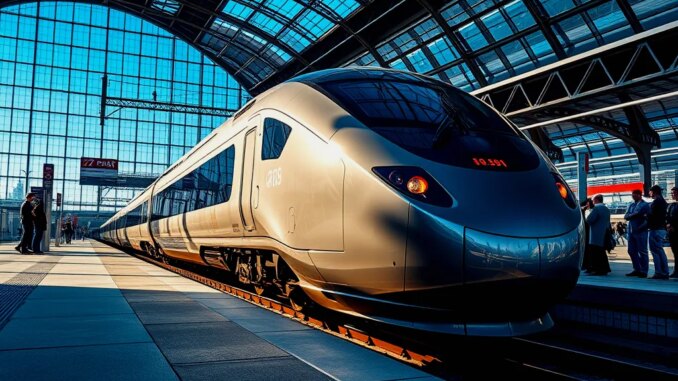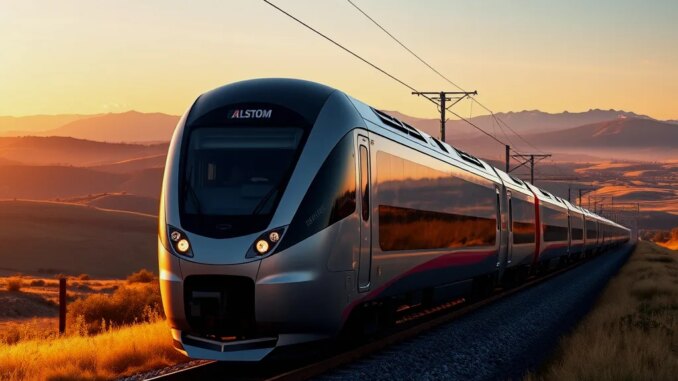
A groundbreaking shift is underway in Canada’s transportation landscape as Alstom clinches a monumental $4.7 billion contract to overhaul VIA Rail Canada’s fleet with 313 state-of-the-art Adessia trains. This initiative not only signifies a significant leap in passenger rail infrastructure but also promises to transform travel experiences across the country, connecting remote communities and boosting local economies. Recognized as one of the largest rail procurement projects in Canadian history, this deal aims to modernize long-distance, regional, and remote-area rail services, ensuring Canadian travelers enjoy safer, faster, and more comfortable journeys. The bold move sets a new standard, placing Canada at the forefront of innovative rail technology globally. ## How This Contract Will Reshape Canadian Rail Travel The essence of this massive project lies in delivering advanced mobility solutions tailored to meet Canada’s unique geographical and climatic challenges. The fleet upgrade will replace the aging fleet that has served Canadian railways for over 77 years, with modern, energy-efficient, and accessible trains. Each of the 313 new Vias will integrate cutting-edge technologies, including digital connectivity enhancements and improved accessibility features. Designed to stand and operate efficiently under Canada’s harsh winter conditions, these trains will elevate passenger comfort, safety, and reliability. ## Emphasizing Local Manufacturing and Economic Growth Staying true to a truly Canadian initiative, Alstom plans to complete all manufacturing within the country — a strategic move supporting local industries and job creation. The production process involves three key facilities: – Design and Engineering at St-Bruno-de-Montarville, Quebec – Car Body Production at La Pocatière, Quebec – Final Assembly at Thunder Bay, Ontario This comprehensive local manufacturing ensures that approximately 670 direct jobs will be sustained and created, alongside a vast network of suppliers and supporting industries generating hundreds of additional employment opportunities. ## Designing for the Future: Features of the New Vias The new fleet will come in nine configurations, specifically curated to address diverse operational needs and passenger preferences: | Wagon Type | Key Features | |————–|————–| | Long-distance | Comfort-enhanced seats, sleeper cabins | | Regional | Quick boarding, optimized for shorter routes | | Accessible | Wheelchair-friendly, auditory, and visual aids | | Prestige | Luxury amenities, premium service | | Panorama | Large panoramic windows for sightseeing | | Dining | Advanced food service and social spaces | | Baggage | Large storage compartments | This diversity allows VIA Rail to prioritize convenience, luxury, accessibility, and operational efficiency across its services. ## Implementing Technology for Safety and Connectivity A vital aspect of the new fleet involves integrating modern cybersecurity measures and seamless digital features. Passengers will have access to high-speed Wi-Fi, real-time journey updates, and digital ticketing options, all designed to enhance comfort and operational transparency. Security systems are being upgraded with sophisticated cyber defenses to protect passenger data and prevent operational disruptions, aligning with global best practices. ## Boosting Remote and Underserved Areas A core goal is improving connectivity for rural and remote communities—many of which depend heavily on rail links for essential travel and freight. The new trains will serve approximately 400 communities, bridging geographical gaps and supporting economic development. These improvements are expected to facilitate tourism, local commerce, and social access, making travel more inclusive and equitable. ## How This Major Investment Will Impact the Economy This ambitious project is projected to inject over 1.6 billion Canadian dollars directly into local economies, supporting sustainable growth and technological advancement. The upstream effects include increased demand across the supply chain, innovation boost, and a ripple effect that benefits sectors like manufacturing, engineering, and service industries. Governments view this as a strategic investment that not only updates infrastructure but also secures Canada’s position as a leader in environmentally sustainable and innovative rail travel. ## Long-term Benefits and Sustainability Goals The new fleet is designed with sustainability at its core—reducing emissions and energy consumption while improving overall efficiency. Modern materials, regenerative braking systems, and energy-saving technologies will significantly lower the carbon footprint of Canada’s rail services. Moreover, upgrading infrastructure aligns with Canada’s climate commitments, demonstrating a commitment to green transportation solutions that promote long-term ecological benefits. ## Canadian Government’s Strategic Role The federal government plays an integral part in funding and supporting this initiative, emphasizing its importance for national economic resilience and climate goals. Support from transportation authorities ensures the project adheres to strict safety and environmental standards. This initiative also fosters enhanced collaboration between government bodies, indigenous communities, and private firms, creating a model for integrated infrastructure development. ## Conclusion This $4.7 billion initiative marks a pivotal moment for Canadian rail travel, investing in modern technology, expanding connectivity, and fostering economic growth. As the new fleet takes shape, it promises a future where travel is quicker, safer, and more accessible for everyone. Enhanced rail infrastructure not only paves the way for smarter transportation but also underscores Canada’s commitment to sustainable development and regional integration, ultimately transforming the way Canadians explore their vast natural landscape.