Unraveling the 2025 Alaska Tsunami: Causes, Effects, and Future Implications
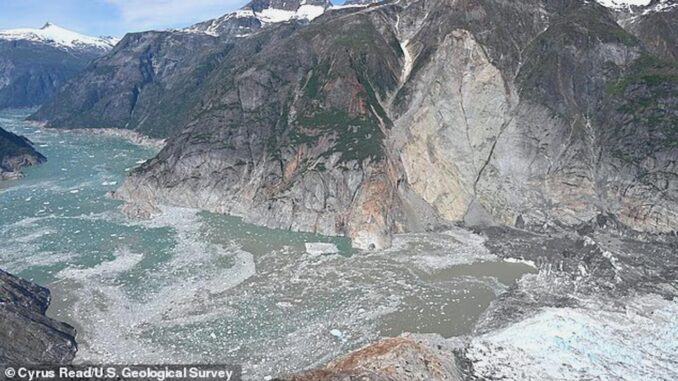
In an unprecedented event that shook the foundations of understanding natural disasters, the 2025 Alaska tsunami exemplifies how rapidly climate change can destabilize fragile ecosystems and threaten human safety. This catastrophic phenomenon was triggered by a massive landslide in Tracy Arm fjord, which resulted in a towering wave that ravaged the region with alarming ferocity.
Breakdown of the Tracy Arm Landslide and Tsunami Formation
On the morning of August 10, 2025, a sudden and colossal landslide dislodged hundreds of thousands of tons of ice and rock from the mountain slope. This slide, caused by the accelerated melting of nearby glaciers—directly linked to global climate change—created a massive displacement of water. The wave that followed reached heights of over 480 meters, comparable to a skyscraper, quickly traversing the fjord at destructive speeds.
This sequence of events illustrates the critical role climate-induced glacier retreat plays in destabilizing mountainous terrains. When ice foundations melt, they leave behind unstable structures prone to collapse. As the ice gave way, the displaced water body generated a wave that overcame local natural barriers, unleashing devastation across Tracy Arm and nearby areas.
The Immediate Impact: A Tsunami of Unprecedented Scale
The resulting tsunami devastated ecosystems and human settlements alike. It obliterated dense forests, destroyed wildlife habitats, and caused significant loss of life and property. The wave’s immense energy was so powerful that it surpassed the second-largest recorded in recent history, which occurred at Lituya Bay in 1958. Experts emphasize that the scale of this event should serve as a dire warning about the accelerating impacts of climate change.
Understanding the Link: Climate Change and Glacial Retreat
Scientists increasingly recognize a clear connection between the ongoing climate crisis and the rising frequency and severity of natural disasters like tsunamis and landslides. Melting glaciers, such as the ones in Alaska, Alaska’s mountain ranges, and other polar regions, contribute to destabilizing ice and rock formations. As global temperatures increase—currently rising at a rate of approximately 0.18°C per decade—polar ice sheets lose mass at an accelerating pace.
This loss not only elevates sea levels but also weakens mountain slopes, making landslides and subsequent tsunamis more likely. In the case of Tracy Arm, ongoing glacier retreat has made the area increasingly vulnerable to such catastrophic events, which may become more frequent unless robust mitigation strategies emerge.
The Role of Microearthquakes and Early Warning Systems
Interestingly, seismic monitoring prior to the landslide detected microearthquakes, hinting at the impending catastrophe. However, the lack of advanced early warning systems meant that authorities and residents remained unprepared for the scale of destruction. This shortfall underscores the urgent need to deploy comprehensive, real-time seismic monitoring in vulnerable regions, especially those witnessing rapid glacial retreat.
- Microearthquakes as precursors: Elevated seismic activity often precedes landslides in glacier-bound regions.
- Early warning systems: Integrating sensors with AI-driven analysis can vastly improve response times, saving lives.
- Community preparedness: Educating local populations about signs of instability enhances resilience.
Wider Impacts and Future Risk Assessments
The Tracy Arm incident is a stark example of how climate change exacerbates natural hazards worldwide. Researchers warn that similar dynamics could trigger tsunamis in densely populated coastal zones, such as the French Riviera or the Mediterranean coasts, where rising sea levels and increased storm activity threaten countless lives.
Given that climate models predict a continued increase in global temperatures and ice melt rates, authorities must act now. Implementing advanced monitoring systems, developing evacuation protocols, and investing in climate adaptation infrastructure can mitigate potential future disasters.
Strategies for Mitigation and Resilience Building
Addressing these risks requires a multifaceted approach:
- Climate action: Aggressive policies to reduce greenhouse gas emissions are paramount.
- Infrastructure reinforcement: Building seawalls, stabilizing slopes, and relocating vulnerable communities reduce impact.
- Enhanced monitoring technology: Satellite imaging, real-time seismic sensors, and AI analytics help predict and prepare for disasters.
- Public awareness campaigns: Educating populations about natural warning signs and safety procedures saves lives during emergencies.
Summary
The 2025 Alaska tsunami exemplifies a disturbing trend: climate change is not only raising sea levels but actively destabilizing landforms leading to mega-disasters. Recognizing the profound connection between melting glaciers and land stability is crucial for developing effective prevention strategies. Immediate action—combining technological innovation, policy reforms, and community preparedness—can help safeguard lives and ecosystems from future calamities fueled by a warming planet.