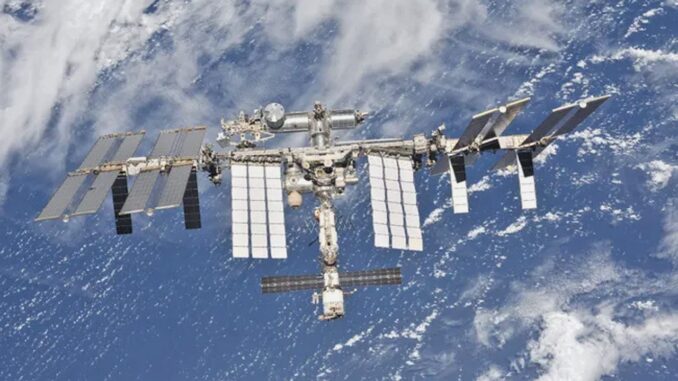
The Urgency Behind the ISS Deorbit Maneuver
In a groundbreaking decision, NASA and international space agencies are orchestrating a plan to deliberately bring the International Space Station (ISS) down into Earth’s oceans, signaling a new era of space debris management and environmental responsibility. This bold move aims to phase out aging space infrastructure while addressing mounting concerns about space debris, environmental risks, and international legal ambiguities.
Why Is the Space Station Being Decommissioned?
The ISS, which has operated since 1998, has surpassed its expected lifespan. As technology advances rapidly, maintaining an aging station becomes increasingly costly and risky. Engineers and scientists agree that deorbiting the ISS into a remote oceanic area minimizes risks to populated regions and aligns with sustainable space practices. However, the deliberate disposal of a multimillion-dollar structure into Earth’s waters raises complex questions about safety, legality, and environmental impact.
Detailed Step-by-Step of the Deorbit Process
- Preparation and Monitoring: Space agencies meticulously plan the maneuver, selecting optimal weather and orbital conditions to ensure precision.
- Initial Maneuvering: The ISS’s thrusters are activated to decrease orbital velocity, lowering its altitude gradually over days, with real-time monitoring to prevent unintentional re-entry.
- Controlled Re-entry: Once in a predefined deorbit corridor, the station’s thrusters or attached deorbit kits execute a final burn, guiding it towards the designated sink area.
- Re-entry into Earth’s Atmosphere: The station begins its fiery descent, with some components burning up completely while larger structures are designed to break apart safely in the atmosphere.
- Impact in the Ocean: The remaining debris is intended to land in a sparsely populated part of the Pacific Ocean, often referred to as the “Nemo Point,” a remote, uninhabited zone ideal for such operations.
Environmental Concerns and Ecological Risks
Despite the meticulous planning, the environmental impact of dumping a large space station into the ocean remains contentious. Critics argue that the station’s composition—comprising metals, fuel remnants, and possibly hazardous materials—poses significant risks to marine ecosystems. Key concerns include:
- Metal and Debris Fallout: Sharp metal fragments could sink and cause long-term physical damage to seabed habitats.
- Contamination Risks: Remaining onboard fuels and lubricants may leak, introducing toxic substances into marine life.
- Disturbance to Marine Ecosystems: The impact point—if not carefully chosen—could disrupt delicate ecosystems, especially in biodiverse areas like coral reefs and deep-sea trenches.
Legal and International Frameworks in Question
The current Outer Space Treaty and United Nations Convention on the Law of the Sea (UNCLOS) lack specific provisions for the disposal of space debris in international waters. Critics highlight several legal challenges:
- Liability and Responsibility: Who bears responsibility for potential environmental damage? The treaty assigns liability primarily to the launching state, but enforcement becomes murky when dealing with risky oceanic disposal.
- Jurisdictional Challenges: International waters are not owned by any nation, complicating enforcement of environmental protection laws. This loophole allows agencies to opt for disposal methods that may bypass strict national regulations.
- Environmental Protection Agreements: The inadequate scope of existing treaties calls for new regulations under the framework of the Deep Seabed Mining and Environmental Impact Assessment protocols.
The Controversy and Stakeholder Perspectives
While space agencies emphasize safety, cost-efficiency, and legacy management, environmental groups and maritime authorities raise alarms:
- Environmental Activists: Warn against potentially irreversible damage to marine habitats and call for alternative disposal options, such as orbital deorbiting with controlled burn or spacecraft recycling.
- International Governments: Some nations question sovereignty issues and environmental responsibilities, demanding greater transparency and legal clarity before proceeding.
- Public Engagement: Social media campaigns and advocacy groups argue that humanity should prioritize environmentally sustainable practices, even in space-related endeavors.
What Are the Alternatives to Ocean Disposal?
Global experts have proposed several *safer, more sustainable* options for decommissioned space stations:
- On-Orbit Breakup: Modular disassembly in space followed by controlled deorbiting of debris, minimizing terrestrial environmental risks.
- Recycling and Repurposing: Transforming parts of the station into space habitats for future missions or Earth-based aquatic research facilities.
- Suborbital Salvage Operations: Using specialized spacecraft to retrieve valuable components before final re-entry, reducing debris volume.
Final Thoughts: Balancing Progress and Responsibility
The planned deorbit and oceanic disposal of the International Space Station exemplify the growing tension between technological advancement and environmental stewardship. As humanity pushes the boundaries of exploration, it becomes urgent to establish clear, enforceable international standards that safeguard the oceans and promote sustainable practices in space disposal.