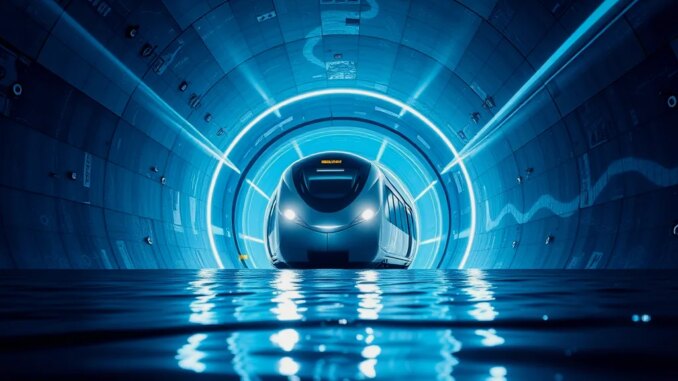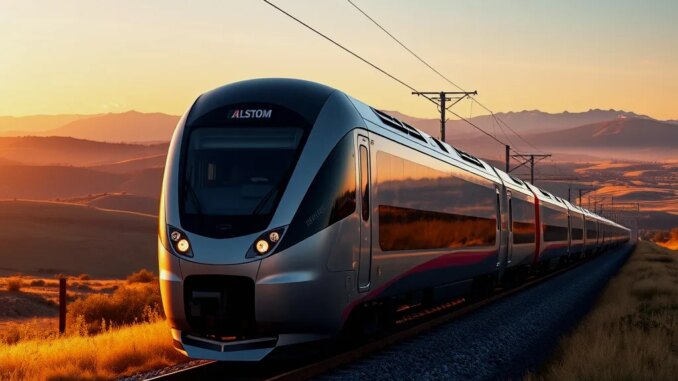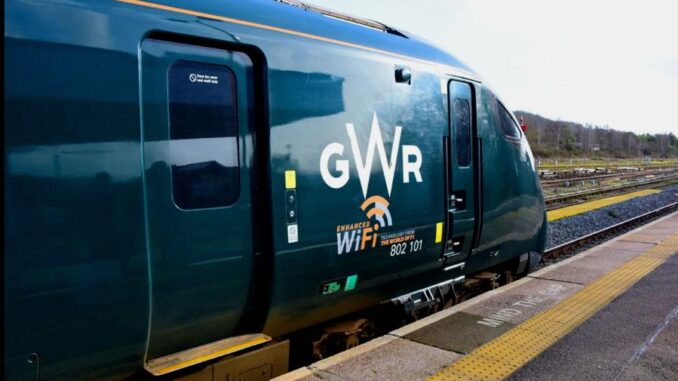
Imagine boarding a train and seamlessly streaming high-definition videos, participating in live conference calls, or browsing the internet at blazing speeds—without interruptions or lag. This vision is no longer futuristic; it’s rapidly becoming a reality thanks to a groundbreaking initiative by the UK government to overhaul railway internet connectivity. This transformative project aims to provide ultra-fast, reliable internet access on over 1,000 trains across the country, fundamentally changing the way passengers experience rail travel. ## The Urgent Need for Upgraded Railway Wi-Fi For years, passengers have tolerated sluggish, inconsistent onboard Wi-Fi that hampers productivity and diminishes travel comfort. Many have given up on using their devices altogether, settling for offline entertainment or simply enduring the frustration. This persistent issue stems from outdated infrastructure that relies mainly on traditional cellular signals, which are often blocked or weakened by tunnels, dense urban areas, or infrastructure limitations. The demand for a modernized high-speed internet system on trains is pressing. Business travelers need reliable connectivity to work on vital projects, students require access to online resources during commutes, and everyday users want to stay connected during leisure travel. Recognizing this, the UK government has committed to deploying a revolutionary technology upgrade that aims to make internet connectivity on trains as fast and dependable as on the ground. ## Cutting-Edge Technology Powering the Future of Railway Internet The cornerstone of this upgrade involves integrating satellite technology with cellular networks, creating an interconnected, adaptive system that dynamically switches between various signals for optimal performance. ### The Satellite-Uplink Hybrid System Similar to what is used in elite Formula 1 racing for real-time data transfer, this innovative satellite system harnesses Low Earth Orbit (LEO) satellites—like Elon Musk’s Starlink network—to provide high-bandwidth internet directly to trains. This approach offers numerous advantages: – Low Latency: LEO satellites orbit closer to Earth, reducing delay periods significantly. – High Data Rates: Achieving up to 1 Gbps (gigabit per second) speeds, enabling smooth streaming, large file downloads, and real-time communications. – Coverage in Remote Areas: Unlike traditional cell towers, satellites can connect trains even in rural or mountainous regions. ### Integration with Ground Cellular Networks In urban and densely populated areas, the system intelligently switches to enhanced 4G or 5G networks, ensuring continuous service. The infrastructure employs multi-band antennas on trains, which connect simultaneously to satellite and cellular sources, seamlessly switching between them based on signal quality. ### Benefits of the Hybrid Approach – Uninterrupted Service: Passengers experience uninterrupted, high-speed internet regardless of location. – Scalability: System can handle increasing data demands as more travelers utilize online services. – Cost Efficiency: Optimized signal switching reduces operational costs and enhances system longevity. ## Implementation Roadmap and Expected Impact Following successful trials on Class 802 trains operated by Great Western Railway, the project scales up to cover over 1,400 train sets across the UK. The rollout process involves: 1. Infrastructure Installation: Upgrading trains with advanced antenna systems and onboard routers. 2. Network Testing: Ensuring seamless connectivity between satellite and cellular sources. 3. Operational Deployment: Phased activation across key routes, prioritizing high-traffic corridors. ### How This Benefits Different Passenger Groups – Business Travelers: Boost productivity with reliable video conferencing and quick data transfers. – Leisure Travelers: Enjoy buffer-free streaming, gaming, and browsing. – Remote Workers & Digital Nomads: Use train rides as mobile offices for uninterrupted work. Furthermore, this improved connectivity serves as a catalyst for long-term rail modernization, encouraging more people to choose trains over cars or airplanes, ultimately reducing carbon emissions and easing congestion. ## Addressing Challenges and Ensuring Future Readiness While promising, the project faces hurdles such as the high costs of satellite bandwidth, the need for continuous network optimization, and environmental factors impacting satellite signals. However, ongoing technological advancements, like the deployment of more affordable satellites and AI-powered signal management, promise to overcome these issues. Moreover, the initiative aligns with broader digital infrastructure goals—creating a resilient, future-proof system that adapts to increasing data needs and integrates emerging technologies such as Internet of Things (IoT) sensors for real-time train monitoring. ##Why This Transformation is Critical Now As remote work and digital dependence grow, the importance of reliable, fast internet on trains escalates. This project positions the UK as a leader in transport innovation, setting a global standard for integrated satellite-cellular railway networks. It exemplifies how cutting-edge science can directly enhance daily life, making train travel faster, smarter, and more connected than ever before.