The Future of F1 Logistics Begins on Rails
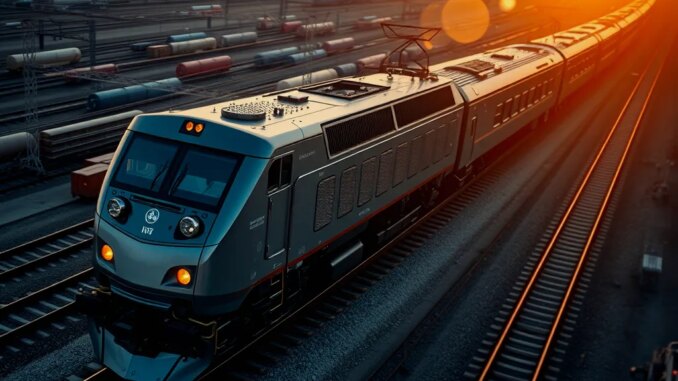
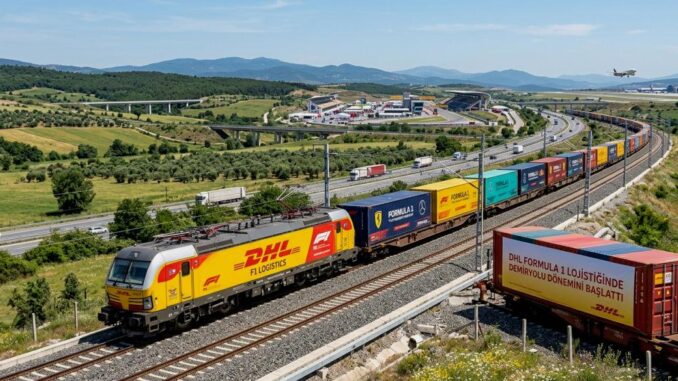
In a groundbreaking move that promises to redefine sustainability standards within high-stakes motorsport, DHL Group, the official logistics partner of Formula 1, has successfully implemented a pioneering rail transport strategy for F1 race equipment. This strategic shift from conventional trucking to rail-based logistics isn’t just an operational tweak—it represents a deliberate step toward drastically reducing the carbon footprint associated with F1’s complex, global logistics network.
Why Shift to Rail? The Environmental Impact
Traditional F1 logistics relies heavily on truck and air freight, which contributes significantly to greenhouse gas emissions. For context, freight transport accounts for nearly 30% of global CO2 emissions from transportation. By transitioning to rail freight, DHL optimizes emissions reduction, as trains emit up to 90% less CO2 per ton-mile compared to trucks. This initiative directly aligns with F1’s broader sustainability goals—namely, achieving a Net Zero Carbon Footprint by 2030.
The Pilot Project: From Miami to Montreal
For the 2026 North American race season, DHL launched a comprehensive pilot project to transport crucial race equipment between Miami and Montreal—a distance of approximately 2,000 kilometers. This corridor was strategically chosen due to its high volume of logistics and tight schedule demands. DHL successfully moved over 50 containers consisting of 46 high-cube and 4 standard containers, utilizing advanced rail routes instead of conventional truck routes.
This move didn’t just meet logistical deadlines but also cut emissions by an estimated 68%, serving as a tangible proof of concept for large-scale implementation. DHL’s team meticulously coordinated with rail operators, ensuring that the high-precision schedule of F1 remained unbroken, despite the inherent complexity of multimodal transport.
Technological Advancements: Tracking and Monitoring
Implementing cutting-edge technology allowed DHL to monitor cargo in real-time, optimizing safety and efficiency. Each container was equipped with smart sensors, delivering instant data on transit status, environmental conditions, and potential shocks during handling. This granular data collection enables DHL to enhance its sustainable logistics initiatives further while maintaining the highest standards of security and reliability.
“Using intelligent sensors and real-time tracking, we can not only reduce emissions but also ensure that race-critical equipment arrives undamaged and on schedule,”
Such technology provides crucial insights that support predictive maintenance, route adjustments, and emergency response strategies. Moreover, this approach aligns perfectly with F1’s emphasis on innovation and precision engineering.
Sustainable Goals and Broader Implications
This rail-based logistics pilot exemplifies DHL’s commitment to the broader 2030 sustainability roadmap, aiming to cut its own emissions by up to 80% through integrated transport solutions. While rail transport plays a central role, DHL is also investing in sustainable aviation fuels (SAF) to power air freight segments, further reducing its carbon footprint.
| Transport Mode | Emission Reduction | Operational Benefits |
|---|---|---|
| railfreight | Up to 90% less CO2 | Lower costs, higher efficiency, schedule reliability |
| Sustainable Aviation Fuel (SAF) | Reduces emissions by up to 80% | Maintains speed with eco-friendly alternatives |
Scaling Up: The Road Ahead for F1 and DHL
This successful pilot project is not only a small part of the shared vision between DHL and F1, but also sets new standards of sustainable logistics across the industry. DHL plans for the 2027 season and beyond to expand this technology to other parts of North America and international racing.
With its innovative logistics solutions and commitment to sustainability, DHL is taking the lead in reducing not only shipping but also Motorsport’s environmental impact.