Transforming Rail Travel with High-Speed Satellite Internet
Imagine boarding a high-speed train plunging through diverse terrains and still enjoying seamless, high-speed internet connectivity. This vision is quickly becoming a reality as leading aerospace and transportation companies collaborate to weave satellite communication into the very fabric of rail travel. The result? Virtually uninterrupted internet access, even in the most remote regions, boosting both passenger experience and operational efficiency.
The Necessity of Satellite-Based Internet in Modern Rail Networks
Traditional cellular networks struggle to provide consistent coverage over extensive, rural, or rugged routes often traversed by high-speed trains. This gap hamstrings the digital connectivity expected by today’s travelers and hampers real-time operational communication for railway companies. Integrating satellite communication systems bridges this divide, offering a robust alternative that ensures continuous data flow regardless of terrain or location.
How Satellite Technology Improves Train Communications
- Uninterrupted Connectivity: Satellites orbiting above the Earth provide expansive coverage that cellular towers can’t match, especially in remote areas. This means passengers and staff stay connected throughout the journey.
- High Data Speeds: Modern satellite solutions support broadband speeds capable of streaming, live updates, and other data-intensive activities, rivaling terrestrial internet services.
- Operational Reliability: Continuous communication enables real-time tracking, predictive maintenance, and swift response to emergencies, improving safety and efficiency.
Implementation: From Prototype to Widespread Adoption
Leading rail operators are moving past theoretical discussions, actively deploying specialized satellite terminals tailored for high-speed train environments. These rugged devices are designed for minimal latency and maximum throughput while fitting comfortably on rolling stock.
Steps to implement include:
- Assessment of Route Coverage Needs: Analyze the network to identify areas with weak terrestrial signal coverage.
- Choosing the Right Satellite Provider: Select providers offering extensive constellation coverage, low latency, and high bandwidth capacity.
- Deploying Compatible Hardware: Install specialized satellite modems and antennas optimized for fast-moving trains.
- Testing and Optimization: Conduct pilot programs to refine system performance and troubleshoot issues before full-scale rollout.
Benefits for Passengers and Railway Companies
This technological leap delivers multifaceted benefits:
- Enhanced Passenger Experience: Seamless internet access allows travelers to work, entertain, or stay connected without interruptions, elevating their journey quality.
- Operational Excellence: Real-time data exchange enables better coordination, punctuality, and safety measures.
- Market Competitiveness: Offering superior connectivity becomes a key differentiator in a competitive transportation landscape.
Case Studies and Real-World Applications
Several leading rail operators already pilot satellite-based internet systems:
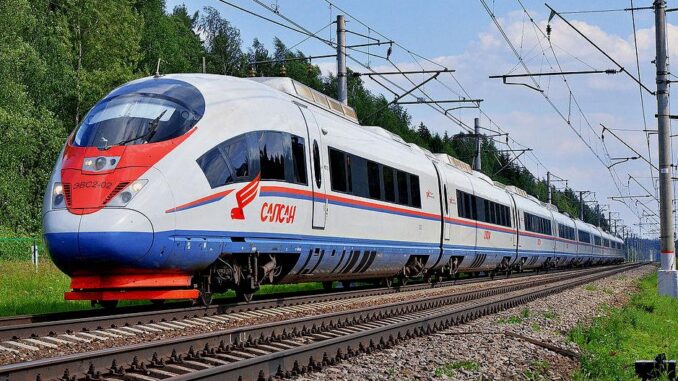
- Russia’s RZD & Satellite Initiatives: The Russian Railways (RZD) integrated satellite communication on the ‘Sapsan’ high-speed trains, ensuring consistent internet for passengers and operational staff, even in remote Siberian corridors.
- European High-Speed Rail Projects: Some European networks incorporate satellite links into their communication backbone to sustain connectivity in rural sections that cellular habitats cannot serve effectively.
Future Outlook: The Road Ahead for Satellite-Rail Synergy
With continuous improvements in satellite technology—like low Earth orbit (LEO) constellations reducing latency and increasing bandwidth—the scope for satellite-integrated rail connectivity expands dramatically. Anticipate a future where high-speed trains are not just transportation corridors but moving digital hubs, capable of offering broadband Internet comparable to fixed-line connections.
This evolution will also catalyze innovations in automation, safety protocols, and passenger services, fundamentally transforming the rail industry into a more connected, efficient, and passenger-friendly mode of transportation. As satellite and rail technologies progress hand-in-hand, we stand on the cusp of a new era where geographic barriers no longer hinder digital connectivity on the move.