Introducing a New Era for Malaga’s Commuter Rail Network
The Malaga-Cercanías network is undergoing a comprehensive transformation aimed at significantly increasing capacity and elevating passenger comfort. By 2028, travelers will experience a modernized rail system equipped with high-capacity trains and upgraded infrastructure, revolutionizing daily commutes across the Costa del Sol.
The Arrival of Cutting-Edge S452 Trains: Boosting Passenger Capacity to New Heights
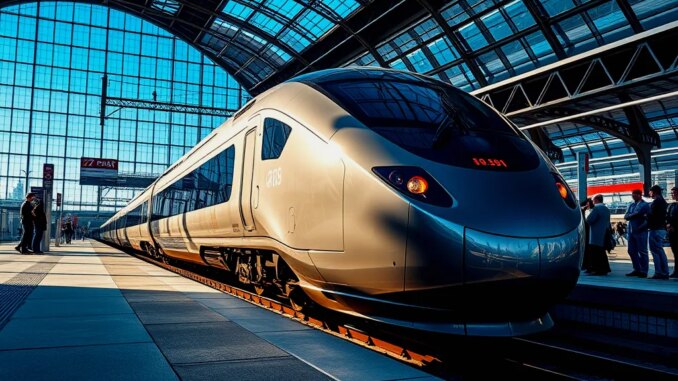
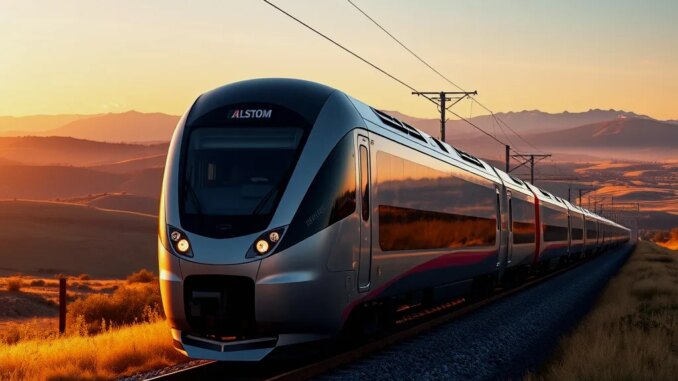
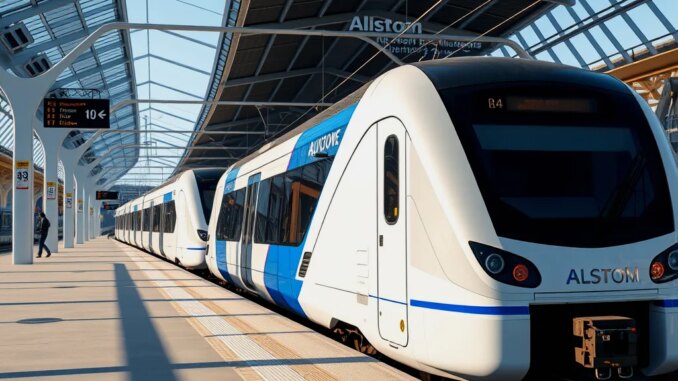
Renfe plans to deploy seven state-of-the-art S452 trains manufactured by Alstom, designed to serve the heavily congested C-1 line connecting Malaga and Fuengirola. These new trains, each consisting of six carriages and stretching approximately 100 meters, will dramatically improve the number of passengers transported during peak hours.
With a total capacity of around 900 passengers—thanks to 245 dedicated seats and extensive standing room—the S452 trains will be a game-changer for daily commuters. Unlike current rolling stock, these trains feature a mix of single and double-decker carriages, optimizing space and passenger flow in a limited infrastructure environment.
Capacity Challenges on the C-1 Line and How They Will Be Addressed
The C-1 Line, spanning 32 kilometers from Malaga to Fuengirola, is one of the busiest commuter corridors in southern Spain. Currently, trains run every 20 minutes during peak hours, but the line’s single track sections significantly restrict the ability to increase frequency and accommodate rising demand.
To mitigate this, Renfe and Adif are implementing a multi-faceted approach. The introduction of more capacity-efficient trains is central, but significant infrastructure upgrades are also underway. Upgraded signaling, platform extensions, and dual-track sections aim to reduce congestion and enable higher train frequencies.
Expanding Infrastructure to Match New Rolling Stock
Upgrading infrastructure is crucial to realize the full potential of the new trains. Five key stations—El Pinillo, Los Álamos, La Colina, and others—will see platform extensions from about 80 to 100 meters to safely accommodate the length of the new S452 trains. This process involves complex construction activities, including civil works and electrical upgrades to ensure seamless operations.
Greater accessibility also takes priority, with enhanced ramps, elevators, and signage designed to make stations easier to navigate for all passengers, including those with reduced mobility.
Building a Modern Maintenance Hub for Long-Term Reliability
Renfe’s investment extends beyond just trains and stations. A new maintenance and service center will open in Malaga, costing approximately 40 million euros. This facility will enable more efficient service of the fleet, reduce downtime, and ensure trains operate at peak performance. Scheduled for completion by 2027, this hub aligns with the broad goal of ensuring sustainable, high-quality rail services.
Second Track Expansion: Doubling Capacity on Critical Segments
The current bottleneck on the Line lies in the single-track sections, notably between Malaga and La Colina. Adif’s plan to construct a second track over a 2.8-kilometer stretch will be pivotal in doubling line capacity. This expansion enables more frequent trains and reduces delays, providing a smoother experience for thousands of daily commuters.
The project also includes the installation of a new platform at Plaza Mayor and an interchange station with multi-level platforms, which will ease passenger movement and transfer efficiency.
Enhancing Accessibility at Key Stations
Accessibility improvements are embedded within the infrastructure upgrades. For the three primary stations—El Pinillo, Los Alamos, and La Colina—renovations focus on creating fully accessible roads through elevators, ramps, and modernized platforms. For example, at El Pinillo, platforms will extend to 100 meters, and new panoramic elevators will replace outdated lifts, ensuring effortless access for passengers with reduced mobility.
In Los Álamos, station entries will be redesigned, and new railings, ramps, and signage will facilitate easier navigation. La Colina will see extensive modifications, including better lighting, improved roads, and enhanced safety features, transforming it into a more passenger-friendly hub.
Future Outlook: A Sustainable, High-Capacity Malaga Rail System by 2028
The ambitious plan to introduce seven new S452 trains, coupled with significant infrastructure overhauls, signals a new chapter for Malaga’s commuter rail. By 2028, the region expects to double its line capacity, improve travel times, and elevate passenger comfort.
This overhaul not only aims to meet current demand but proactively prepares the network for future growth, aligning with Spain’s broader efforts to promote sustainable and efficient urban mobility solutions. The combined investments in rolling stock, station accessibility, and track capacity position Malaga as a regional leader in modern rail infrastructure, ensuring that both residents and visitors enjoy a resilient, high-capacity transit experience for decades to come.