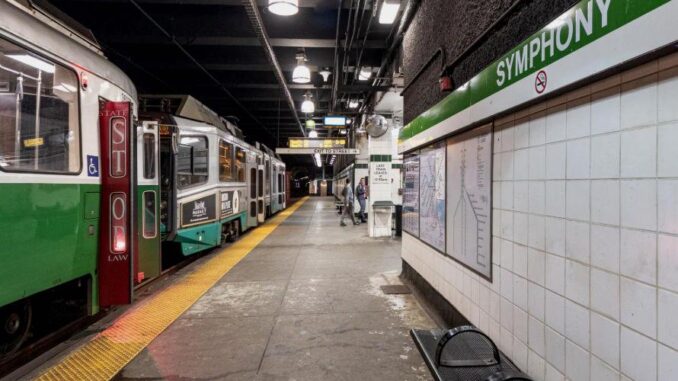
Major Overhaul at Symphony Station: What Travelers Need to Know
If you’re a Boston commuter or visitor planning to use Symphony Station, be prepared for significant changes. The Massachusetts Bay Transportation Authority (MBTA) is undertaking a comprehensive accessibility enhancement project that will temporarily close this historic station starting June 6. This upgrade aims to bring Symphony Station up to modern standards, ensuring it is accessible, safe, and efficient for all users. The project is an exemplary model of urban transit modernization, reflecting an ongoing commitment to equitable transportation.
Why Is This Project Essential?
While Symphony Station has served Boston’s Green Line for over eight decades, it significantly lacks modern accessibility features. It currently fails to accommodate passengers with disabilities, particularly those using wheelchairs, mobility scooters, or with limited mobility. As cities evolve, transit hubs must adapt—this project represents Boston’s step forward towards an inclusive public transportation system.
Scope and Phases of Renovation
The project involves a multi-phase overhaul, starting with the station’s complete closure. The timeline extends approximately 35 months, with construction scheduled to finish by late 2024 or early 2025. Key components include:
- Installation of new elevators at all station entries to provide wheelchair access
- Construction of platform extensions and raised platforms for easier boarding
- Upgraded lighting and security systems to enhance safety
- Implementation of accessible signage and audio-visual aids
- Structural improvements to eliminate current barriers
Infrastructure Challenges and Solutions
Building accessibility features in an historic station like Symphony poses unique challenges. The brittle underground infrastructure, tight space constraints, and preservation of historical elements necessitate innovative engineering solutions. For example, relocating existing underground utilities and integrating modern elevators required meticulous planning and advanced construction techniques. The project team employs cutting-edge underground excavation methods and sustainable construction practices to minimize disruption.
Funding and Budget Breakdown
Modernizing Symphony Station demands a significant financial investment. The total budget exceeds $150 million. Major funding sources include:
- Federal Transit Administration (FTA): $66.6 million from the ‘All Stations Accessibility Program’
- State and local contributions: covering infrastructure upgrades and operational costs
- Private partnerships and grants for sustainable construction
This funding ensures the project meets the highest standards of accessibility and safety while future-proofing the station for decades to come.
Expected Benefits for the Community
Once completed, Symphony Station will become a model of universal design. Benefits include:
- Enhanced access for persons with disabilities and seniors
- Faster, more reliable train boarding and disembarking
- Improved safety features and better lighting
- Reduced delays caused by infrastructure-related issues
- Greater overall accessibility, encouraging more residents and visitors to use public transit
Future Outlook and Integration
This upgrade aligns with Boston’s broader strategy to modernize its transit infrastructure and promote sustainable urban development. Post-renovation, Symphony Station will seamlessly integrate into the city’s expanding public transportation network, supporting ease of mobility and economic growth. The project serves as a blueprint for similar upgrades across other transit hubs, emphasizing that accessible infrastructure boosts community wellbeing and fosters inclusive growth.