Revolutionizing Urban Transit with Fully Automated Trains
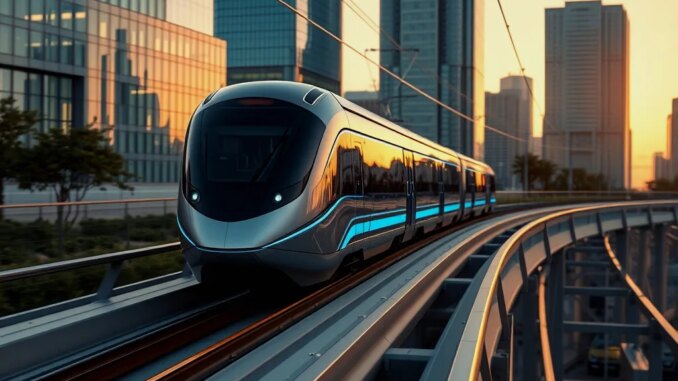
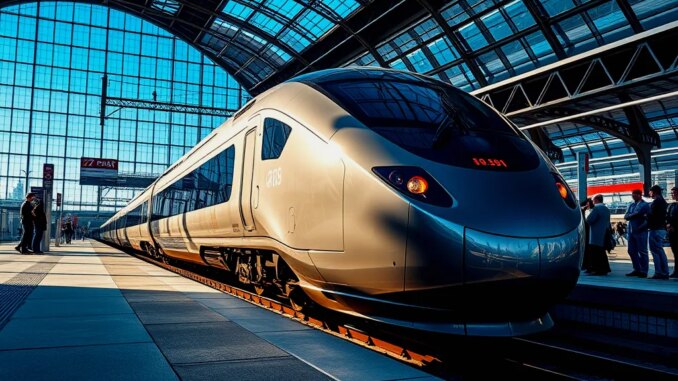
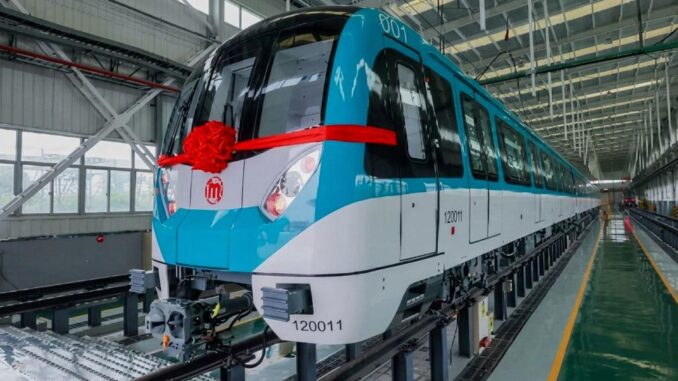
The game-changing innovation in urban transportation comes from CRRC, the global leader in rail technology. Their latest achievement— a fully automated train for the Hangzhou Metro—sets new standards for efficiency, safety, and passenger comfort. This rail marvel not only simplifies operations but also enhances reliability and environmental sustainability across the city’s transit network.
Unmatched Automation and Safety Features
CRRC’s new metro train operates entirely without human intervention, thanks to cutting-edge automation technologies. This means that the entire operational cycle—from powering on the train, diagnostics, starting from the depot, to navigating the tracks—is managed by sophisticated AI-driven systems. This level of automation reduces human error, increases punctuality, and ensures consistent service quality.
Safety remains paramount. The train employs both active and passive obstacle detection systems, utilizing sensors and cameras that instantly identify and respond to hazards. Furthermore, redundancy in critical systems guarantees that even if one component fails, the train continues to operate safely without interruption.
Energy Efficiency and Passenger Comfort
Energy efficiency forms the backbone of this innovative train. Its *permanent magnet synchronous propulsion system* cuts energy consumption by over 20%, significantly decreasing operational costs and environmental footprint. This advanced traction system not only delivers smooth acceleration and deceleration but also minimizes noise pollution, creating a quieter ride within crowded urban environments.
Passenger comfort is meticulously designed. The train’s climate control system incorporates *antibacterial and antiviral filtration*, ensuring a healthy environment even during peak travel times. High-quality noise insulation materials and sealed doors prevent external noise infiltration, delivering a peaceful journey. Bright, spacious interiors, combined with intuitive information displays, keep passengers informed and at ease.
Operational Efficiency and Maintenance
CRRC’s train features a predictive maintenance system that continuously monitors equipment health and preemptively identifies potential issues. This proactive approach minimizes downtime and extends the lifespan of components, translating into cost savings and increased service reliability.
The train’s remote diagnostic capabilities enable maintenance teams to access real-time data, troubleshoot issues, and even perform software updates remotely. This integrated approach streamlines maintenance workflows and reduces disruptions for passengers.
Future-Ready Infrastructure Integration
This train seamlessly integrates with modern metro infrastructure, supporting features like automated station operations, dynamic scheduling, and energy-efficient power management. Its design anticipates future expansions, including potential multimodal connectivity with buses, bikes, and pedestrian pathways, emphasizing a holistic approach to urban mobility.
Impact on Urban Transit and Sustainability
Deploying fully automated, energy-efficient trains like this significantly impacts city planning and sustainability goals. Cities can reduce their carbon emissions, lower operational costs, and improve service accessibility—especially during off-peak hours—thanks to the high-frequency capabilities of automated systems.
Moreover, the adoption of intelligent trains enhances safety records and minimizes accidents caused by human error. As cities grow denser, such innovations will be vital to managing urban congestion and ensuring sustainable development.
Why This Matters for Modern Cities
The Hangzhou Metro’s new automated train exemplifies how smart technology can revolutionize daily commutes. It combines automation, safety, energy efficiency, and passenger comfort into a single package, paving the way for future urban transport networks worldwide.
As this train begins operation, other cities are watching closely. The successful deployment showcases a tangible path toward making urban transit systems faster, safer, and more sustainable—fitting into the broader narrative of smart city evolution.