Revolutionizing Polish Rail Travel with Unprecedented Investment
Poland’s transport sector is experiencing a transformative leap forward, driven by a bold and strategic initiative that aims to overhaul its long-distance rail network. At the heart of this revolution lies PKP Intercity, the country’s premier rail operator, which has successfully secured nearly 84% of its funding from the European Union’s National Recovery and Resilience Plan (PNRR). This substantial financial injection signals Poland’s unwavering commitment to elevating its rail infrastructure to meet modern standards of efficiency, environmental responsibility, and passenger comfort.
Massive Investment Backed by EU Funds
As of April 2026, Poland has allocated over 1.81 billion PLN (approximately 434.4 million Euros) in grants to this ambitious project. Combining public funds with private investments, the totals reach 2.825 billion PLN, illustrating a comprehensive approach to rail modernization. This funding is strategically aimed at deploying 56 state-of-the-art zero-emission electric locomotives and upgrading 248 passenger cars — a move that will dramatically improve long-distance travel experiences.
Transforming Locomotive Fleet: The Griffins Take Charge
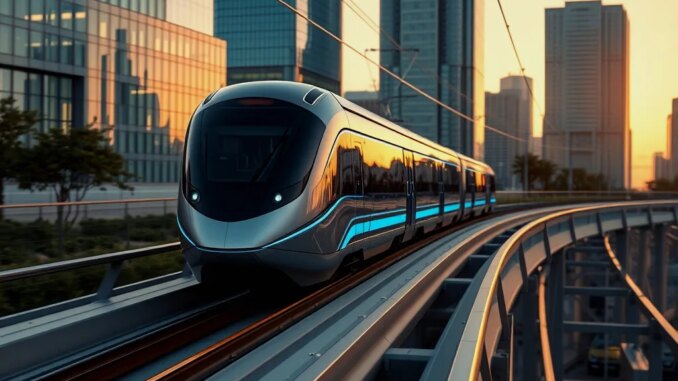
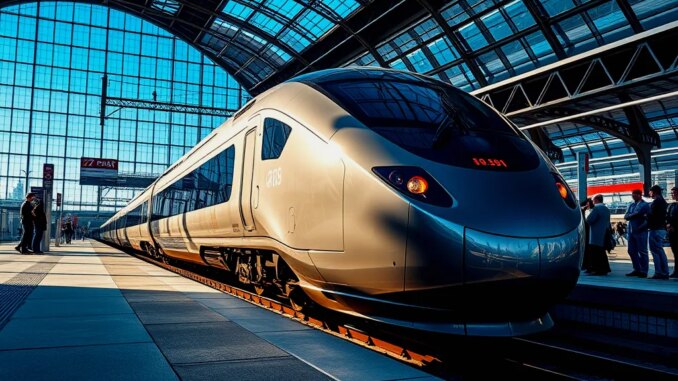
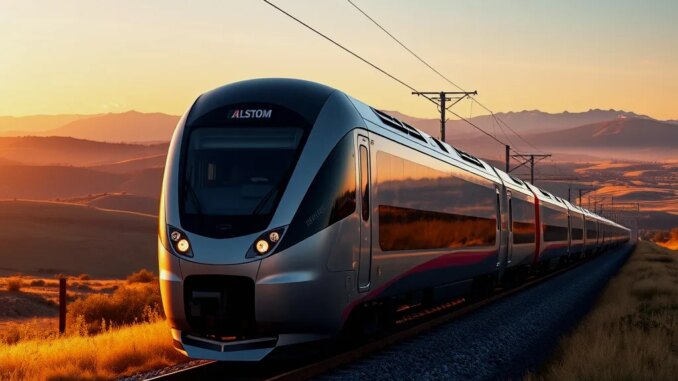
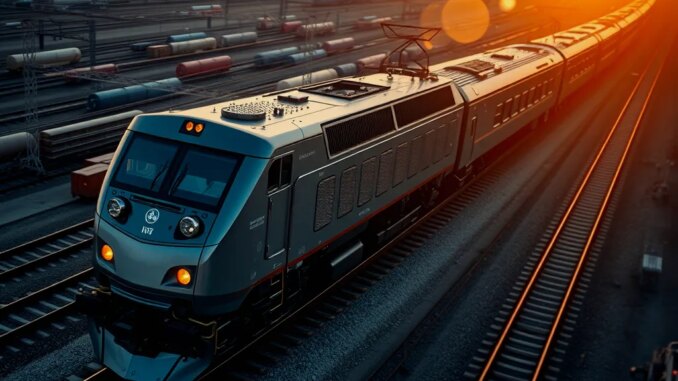
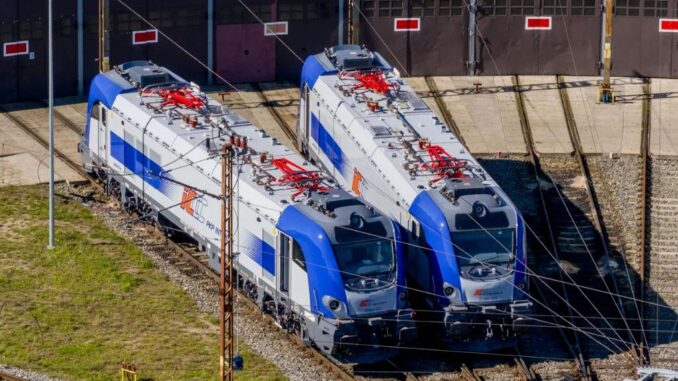
One of the project’s crown jewels is the procurement and deployment of 56 new Griffin EU160 electric locomotives. These engines represent a leap in sustainable technology, replacing older, less eco-friendly models. The Griffins boast increased power, reliability, and efficiency, capable of hauling higher loads over longer distances while reducing carbon emissions — aligning with Poland’s broader sustainability goals.
Modernized Passenger Cars: Comfort and Accessibility
In addition to locomotives, over 214 passenger cars have undergone comprehensive modernization, with some still in progress. These vehicles are meticulously redesigned to cater to diverse traveler needs, featuring luxurious first-class compartments, affordable second-class sections, and innovative multi-purpose Vagon-Combo cars that seamlessly serve both leisure and business travelers. Enhanced amenities, improved insulation, climate control, and ergonomic seating elevate the in-journey experience, making long-distance travel more appealing than ever.
Boosting Domestic Industry and Employment
Behind this leap forward is not just technological advancement but also a significant boost for Poland’s industrial sector. Locally based companies—such as H. Cegielski, Pesa Bydgoszcz, and NEWAG—play pivotal roles in manufacturing, refurbishing, and maintaining these new fleets. This comprehensive supply chain fosters local employment, supports technological innovation within Poland, and ensures rapid deployment and servicing of the new rolling stock.
Operational Impact and Future Outlook
The modernized fleet enables PKP Intercity to operate faster, more reliable, and environmentally friendly services across major routes, including key corridors connecting Warsaw with Kraków, Gdańsk, and Wrocław. It also opens opportunities for expanding high-speed rail corridors, reducing travel times, and attracting more passengers who previously preferred air or road travel.
Moreover, this initiative positions Poland as a leader in sustainable rail transport within Central Europe. It exemplifies how strategic investments, aligned with EU climate and mobility policies, can produce tangible, eco-conscious benefits—significantly lowering greenhouse gas emissions and promoting cleaner urban and intercity transit.
Key Takeaways for Stakeholders
- EU Funding: Nearly 84% of project costs covered, ensuring sustainability and economic feasibility.
- Fleet Modernization: 56 new electric locomotives and 248 upgraded passenger cars enhance capacity and comfort.
- Local Industry Support: Polish manufacturers are integral, boosting local employment and innovation.
- Environmental Goals: Zero-emission electric trains directly contribute to Poland’s climate commitments.
- Enhanced Travel Experience: Faster, more reliable, and more comfortable services will boost ridership and reduce reliance on less sustainable modes of transport.
This comprehensive overhaul signifies Poland’s commitment to future-proof its rail system, harmonizing economic growth with sustainable development and setting a benchmark for other nations aiming to modernize their transit infrastructure.