The Challenges of Human Reproduction in Space
As humanity pushes the boundaries of space exploration, scientists confront an array of biological hurdles that threaten to impede our ability to sustain life beyond Earth. Among these, microgravity effects on human reproduction stand out as some of the most daunting. The absence of gravity radically alters biological processes that are finely tuned to Earth’s environment, impacting everything from cell division to embryonic development.
How Microgravity Disrupts Human Fertility
Research shows that microgravity hampers the motility and viability of sperm cells. Without Earth’s gravity, sperm struggle to navigate and locate an egg, essential steps for successful fertilization. Moreover, the process of embryonic cell division becomes less predictable, risking developmental anomalies. The lack of gravitational cues interferes with cell signaling pathways vital for proper embryogenesis, leading to potential failures in conception and early development.
The Threat of Cosmic Radiation on Early Human Development
In addition to gravity, cosmic radiation poses a significant threat. High-energy particles in space can directly damage DNA within reproductive and embryonic cells. Such radiation exposure increases the risk of mutations, developmental defects, and miscarriage. Prolonged missions to Mars or lunar colonies may subject early-stage embryos to cumulative radiation doses that are lethal or severely deforming, emphasizing the need for innovative protective strategies.
Breakthroughs in Embryo Research: From Earth to Space
In response, scientists have pioneered groundbreaking research by creating artificial embryos in laboratory settings, simulating early human development outside the natural womb. China’s recent venture marks a historic milestone: they launched lab-grown human embryos into space aboard the Tiangong space station. These embryos are not destined for implantation but serve as vital models for understanding *how space conditions influence early cellular processes*.
The Chinese Space Experiment: A New Frontier
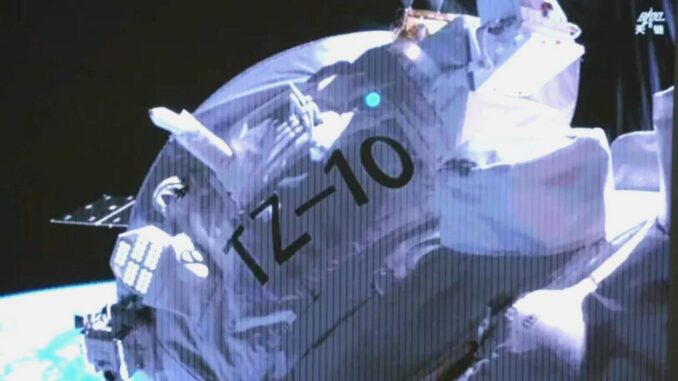
China’s Wenchang Satellite Launch Center successfully dispatched a Tianzhou-10 cargo spacecraft, carrying laboratory-grade human embryonic models. These models undergo rigorous process simulations under microgravity, aiming to observe cell division, differentiation, and organogenesis in space. Through this approach, researchers seek answers to crucial questions such as:
- How does microgravity affect embryonic cell structure?
- What are the effects on gene expression during early development?
- Can we engineer biological safeguards for future space-born human reproduction?
Ethics and Safety in Space Embryogenesis
This pioneering research raises significant ethical questions. Scientists are cautious to ensure their experiments adhere to international bioethical standards, avoiding unintended consequences such as creating viable human life in space prematurely. Current efforts strictly limit experiments to pre-embryonic stages, focusing on understanding developmental biology without implanting or raising concern about space-born pregnancies.
Implications for Future Space Colonies
If successful, these experiments could pave the way for actual reproductive technologies adapted to space environments, enabling human colonizers to conceive and gestate babies on Mars or orbital habitats. This would involve developing specialized artificial wombs and genetic engineering techniques that counteract the adverse effects of microgravity and radiation, ensuring healthy fetal development.
Step-by-Step Approach to Overcoming Space Reproductive Barriers
- Simulation and laboratory experiments: Understand cellular behavior in microgravity, using space-grown embryo models.
- Genetic and cellular intervention: Develop methods to safeguard DNA integrity and promote proper cell division in altered gravity.
- In-situ research: Conduct experiments aboard space stations to observe real-time embryogenesis under space conditions.
- Technology development: Design artificial wombs and reproductive protocols suitable for space environments.
- Testing and validation: Ensure all procedures maintain ethical standards and biological safety.
The Road Ahead: Transforming Space Reproduction into Reality
The continued advancement of space reproductive biology will transform the vision of *space colonization* from a purely exploratory endeavor into a sustainable human habitat. Moving forward, interdisciplinary efforts among biologists, engineers, and ethicists will be crucial to develop reliable, safe, and ethical reproductive technologies suitable for the final frontier.