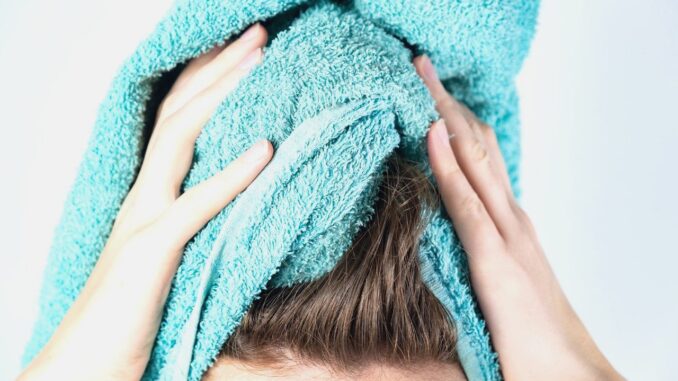
The Impact of Aggressive Towel-Drying on Hair Health
Every day, countless individuals rush to dry their hair with a towel after showering, believing it to be a quick and effective method. However, this seemingly harmless routine can cause significant damage to hair’s structural integrity. Aggressive towel maneuvers, like rubbing or twisting, exert excessive mechanical stress on wet hair, which is at its most vulnerable phase. The tension and friction from vigorous towel drying can lead to breakage, split ends, and ultimately, hair loss.
Why Wet Hair is the Most Susceptible
Hair’s composite protein, keratin, becomes temporarily weakened when wet. Unlike dry hair, which can stand with some amount of tension, wet strands stretch more easily and are prone to snapping under pressure. Think of it as trying to pull on a wet rubber band—less resilient and more likely to break. As natural oils and moisture levels fluctuate during washing, washing style habits directly impact hair’s ability to cope with physical forces.
The Mechanics Behind Hair Damage from Towel Rubbing
Research by UK Hair Transplant Specialists highlights a common yet overlooked cause of hair thinning: rough towel rubbing concentrated on the crown and top of the head. When you rub vigorously, tiny hair fibers endure shear forces that fracture the cuticle, the outermost protective layer. Over time, this leads to a cumulative weakening, making hair prone to breakage even during typical daily activities.
Proper Techniques to Minimize Damage During Towel Drying
- Pat, don’t rub: Use a soft, absorbent towel or microfiber cloth to gently pat your hair instead of aggressive rubbing. Focus on squeezing out excess water with light, upward movements.
- Wrap your hair: Instead of rubbing, wrap your hair in the towel. This method reduces shear stress and allows your hair to absorb moisture naturally.
- Use a microfiber towel or T-shirt: These materials are gentle on wet strands, significantly decreasing friction compared to traditional terry cloth towels.
- Air-dry or partially dry: Whenever possible, extend your drying process by air-drying your hair or using chill settings on hairdryers. This shifts the stress away from physical methods.
Distinguishing Between Hair Loss and Mechanical Damage
It’s crucial to differentiate natural hair shedding from hair damage caused by mechanical stress. Normal hair loss ranges from 50 to 100 hairs daily, with a majority of follicles entering the resting phase unpredictably. In contrast, mechanical damage manifests as brittle, easily breakable hair with split ends and *thinning* in specific areas. An easy test involves examining shed hairs under a microscope—the presence of a healthy root indicates natural shedding, whereas an absence points to breakage from external forces.
Signs Your Hair Is Suffering from Damage
- Increased hair fall during brushing or washing
- Frequent breakage and split ends
- Thinning in specific regions, especially the crown or temples
- Loss of natural volume and shine
- Uneven hair texture, with some strands appearing frayed or dull
Recommendations for Hair Care and Damage Prevention
To safeguard your locks, incorporate the following into your routine:
- Switch to gentle drying techniques: Pat and squeeze rather than rub, minimizing shear stress.
- Invest in high-quality materials: Microfiber towels or soft cotton T-shirts significantly reduce friction.
- Limit heat exposure: Use low or cool air settings on your hairdryer, keeping it at an optimal distance from your strands.
- Regularly trim: Cutting split ends prevents damage from traveling upward and maintains hair health.
- Apply nourishing products: Use conditioners and leave-in treatments formulated to strengthen and hydrate hair.
When to Seek Professional Help
If you notice persistent thinning, excessive breakage, or sudden hair loss, consult a dermatologist or trichologist. They can assess whether you’re dealing with underlying issues like androgenetic alopecia, nutritional deficiencies, or damage caused by physical trauma. Professional interventions might include scalp treatments, specialized therapies, or recommendations for hair restoration procedures.
Understanding the delicate state of wet hair and adjusting your drying habits can dramatically extend your hair’s lifespan and improve its overall health. Small, mindful changes in routine—as simple as patting etc. Rubbing—might be just what you need to prevent unnecessary damage from sneaky everyday habits.