Introduction: A New Era of Urban Transit in Tarragona
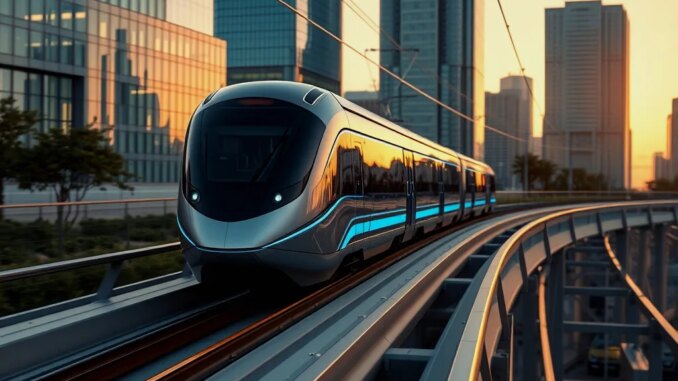
Imagine a city where seamless mobility connects every corner, reducing congestion and boosting sustainability. Tarragona, a historic port city in Catalonia, is on the cusp of such a transformation through its innovative tramway project. This multimillion-euro initiative aims to overhaul traditional transportation methods, offering residents and visitors an efficient, eco-friendly alternative that reshapes urban connectivity.
The Heart of the Project: Key Collaborations and Contracting Partners
The Camp de Tarragona tram project stands out due to its strategic collaborations. SYSTRA Ardanuy, a renowned engineering and consulting firm, has signed two critical contracts to propel this ambitious vision forward. These agreements are pivotal, covering project management, system integration, and construction supervision, ensuring smooth development from initial planning to operational readiness.
Breaking Down the Contracts: Roles and Responsibilities
The first contract entrusts SYSTRA, in partnership with TYPSA, with overseeing construction management. This includes coordinating with entities like ADIF, local municipalities, and public service providers to keep the project on schedule and within budget. The scope covers everything from civil works—such as laying tracks and building stations—to testing the infrastructure before launch.
The second contract features SYSTRA collaborating with META and Quadrante, focusing on system integration and technical assistance. This involves ensuring all tram components—power supply, signaling, telecommunications, and passenger information systems—work harmoniously together. By doing so, SYSTRA guarantees a reliable, user-friendly tram system that can handle high passenger volumes efficiently.
Routing and Infrastructure: Connecting Tarragona’s Key Zones
Spanning approximately 14 kilometers, the initial tram line will connect Tarragona’s central areas, including Cambrils, Salou, Vila-seca, and other vital nodes. Part of this route leverages existing infrastructure, repurposing old railway corridors to minimize environmental impact and reduce construction costs.
This corridor integration is a strategic move—reusing former railway lines avoids city-scale disruption and speeds up project timelines. The route also includes new stations designed to facilitate seamless transfers and improve access across urban and suburban zones.
Urban Challenges and Innovative Solutions
Designing the Tarragona tramway addresses complex urban challenges. Limited space in dense city centers requires meticulous engineering and innovative construction techniques to minimize service interruptions. Engineers deploy advanced civil engineering methods, including shock-absorbing concrete and modular station designs that can adapt to cityscapes without extensive demolition.
Moreover, the project incorporates sustainable practices like electrification through renewable energy sources and smart signaling systems that reduce energy consumption and promote safe operation.
Financial Scope and Investment Strategy
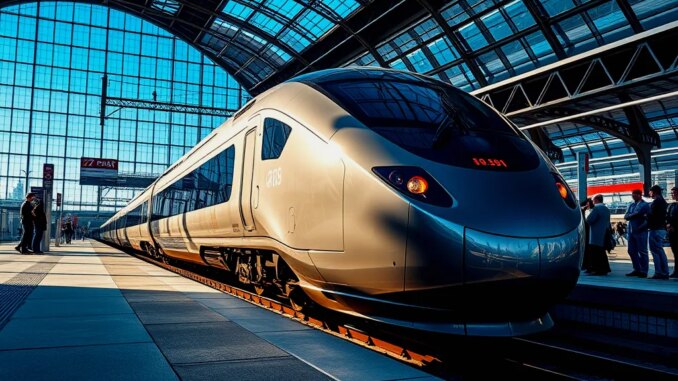
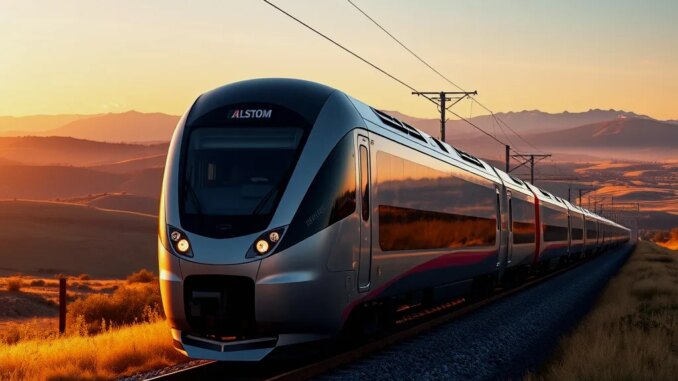
The total investment for the initial phase is set at approximately 245 million euros. This budget covers the entire construction, purchase of rolling stock, and system setup. The city plans to deploy seven electric tram units, each capable of holding 210 passengers, purchased at a cost of around 38.5 million euros.
This well-structured financial approach ensures a balance between quality and cost, with a focus on long-term operational sustainability. The project’s economic plan also includes potential funding from regional development grants and environmental incentives, emphasizing its role in promoting green urban mobility.
Operational Timeline and Future Prospects
Set for completion in the first quarter of 2028, the tramway will serve an estimated 9.5 million passengers annually. This figure reflects Tarragona’s growing urban population and increasing demand for cleaner transportation options. As the system becomes fully operational, it is expected to significantly reduce road traffic congestion, cut emissions, and foster local economic growth.
Urban Impact and Community Benefits
Beyond easing transportation woes, the Tarragona tramway aims to enhance urban livability. Improved accessibility around residential, commercial, and leisure districts promotes economic activities and boosts tourism. Additionally, the project sets a benchmark by demonstrating how modern infrastructure can integrate seamlessly into historic cityscapes, preserving cultural heritage while advancing technological progress.
The Future of Urban Mobility in Catalonia
This tram project in Tarragona exemplifies a broader regional shift towards sustainable urban transit. As cities worldwide grapple with pollution, climate change, and population growth, innovative transit solutions like this serve as models enabling smarter, cleaner, and more inclusive cities. The Tarragona initiative is not just about transport; It’s about reshaping the future of urban living through cutting-edge engineering and visionary planning.