Unlocking the Future of Commuter Rail: Alstom’s Latest Sounder Wagon Sets New Standards
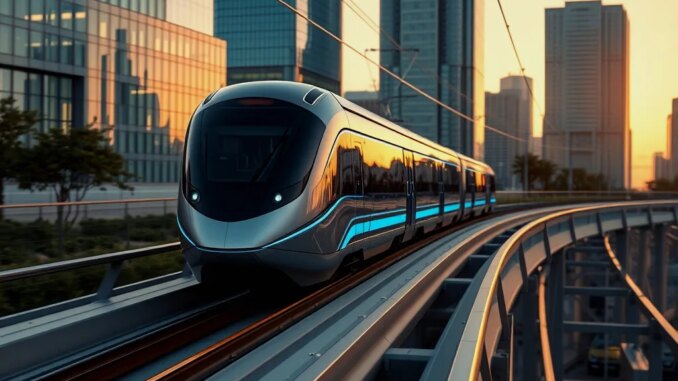
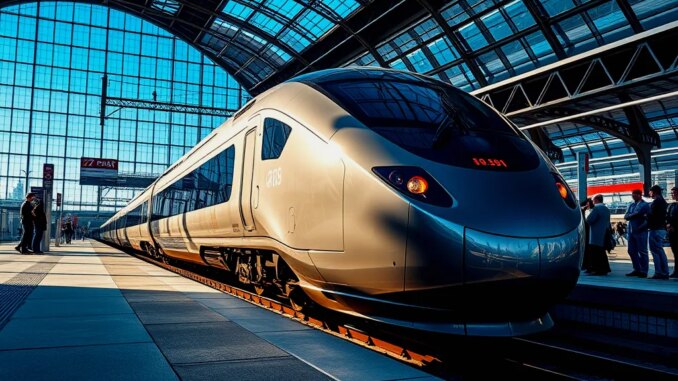
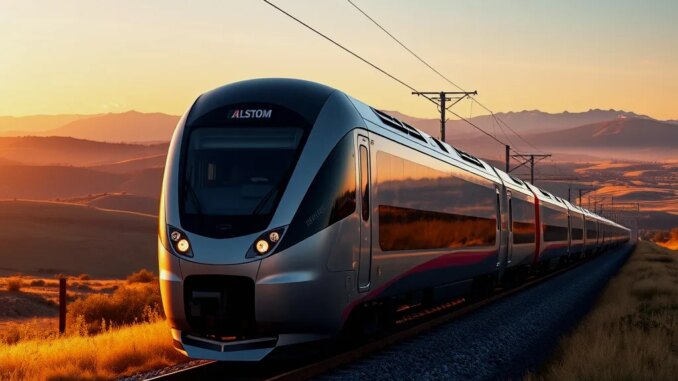
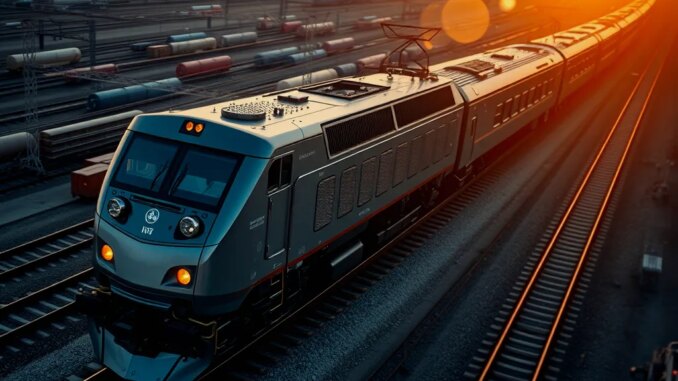
In a move that promises to transform Seattle’s commuter rail landscape, Alstom, a global leader in rail transportation, has introduced a cutting-edge double-decker Sounder wagon into service. This strategic upgrade not only boosts capacity but also dramatically enhances passenger comfort, safety, and onboard technology. As urban centers grapple with increasing transit demand, this development spotlights how innovative rail solutions can meet contemporary mobility challenges head-on.
Why the New Sounder Wagon Is a Game-Changer for Seattle’s Transit System
Seattle’s Sound Transit serves over 2 million residents, and with the ongoing surge in urban population and events like big sports tournaments, the system requires robust upgrades. The addition of 11 new double-decker train cars from Alstom signifies a pivotal capacity expansion—roughly 40% more seats per train—allowing more commuters to travel comfortably during peak hours and high-demand events.
These state-of-the-art Wagons are designed to seamlessly integrate into the current system, striking a balance between legacy reliability and modern innovation. Their deployment aligns with Sound Transit’s goal to increase transit ridership, reduce traffic congestion, and promote environmentally friendly transportation options.
Advanced Design and Passenger-Centric Features
The new double-decker Wagon incorporates intelligent interior layouts that maximize space and passenger comfort. Key features include:
- Enhanced Seating Arrangements: Theater-style seating offers more legroom and better sightlines.
- USB and Power Outlets: Every seat features charging ports, ensuring commuters stay connected throughout their journey.
- Bike Racks and Accessibility: Redesigned bike storage solutions and ADA-compliant features improve inclusivity.
- Improved Ventilation and Lighting: Modern HVAC systems and lighting create a more comfortable environment.
These improvements, coupled with soundproofing technology, significantly reduce onboard noise, creating a calmer and more enjoyable ride.
Safety Innovations and Collision Energy Management
Passenger safety remains a top priority. The new Wagon employs advanced collision energy absorption technology, which acts as a first line of defense during accidents. This energy management system dissipates impact forces more efficiently, reducing injury risks.
Smart sensors monitor structural integrity constantly, alerting staff to potential issues before they escalate. Additionally, the Wagon’s visibility-enhancing front windshield ensures operators have an unobstructed view, enabling safer operations especially during complex switching or station arrivals.
Operational Efficiency and Sustainability
Beyond passenger amenities, these modern Wagons streamline maintenance and operations. Features such as remote diagnostics and predictive maintenance algorithms reduce downtime and operating costs. This efficiency directly translates into cost savings and environmental benefits, as the trains consume less energy and produce fewer emissions.
The electric-powered design aligns with Seattle’s sustainability goals, exemplifying how transportation infrastructure can facilitate urban eco-friendly initiatives.
Deployment and Future Expansion Plans
The initial deployment of the new Wagon began with routes connecting Lakewood or Tacoma to downtown Seattle. Sound Transit plans to scale this upgrade over the coming years, aiming to expand fleet size from current configurations to seven- to ten-car trains capable of transporting up to 70-80% more passengers per service.
This expansion is part of a broader strategic effort to upgrade existing rail corridors like the S Line, providing faster, more reliable service during high-demand periods and special events such as the Seattle Seahawks games or Seattle Mariners playoff runs.
Alstom’s Broader Impact on US Urban Rail Infrastructure
Alstom’s Adessia platform exemplifies their commitment to delivering innovative, sustainable, and scalable transit solutions worldwide. With over 45,000 railcars worldwide and projects across North America, Europe, and Asia, Alstom’s reputation as an industry innovator remains unchallenged.
In the US, Alstom has partnered with major metropolitan transit agencies in cities like New York, Chicago, and Los Angeles, emphasizing their ability to meet diverse transit needs with customized, reliable rail systems.
Conclusion: Why These Updates Matter for Commuters and City Growth
The introduction of Alstom’s double-decker Sounder Wagon signals a paradigm shift in how urban commuter rail adapts to escalating demands. With a blend of enhanced capacity, safety features, passenger comfort, and sustainability, these advancements set a new standard for regional transit excellence.
For Seattle, this upgrade promises fewer delays, more frequent service, and a significantly improved travel experience. It stands as a testament to how public-private partnerships can deliver cutting-edge transport solutions, fostering more livable, connected, and resilient cities for generations to come.