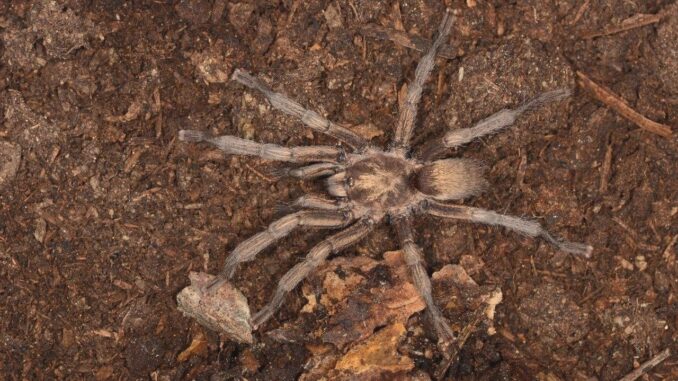
In a groundbreaking discovery that bridges history, biology, and international research, a rare tarantula species found near Bafa Lake, Turkey, has finally entered the scientific record.
Imagine wandering through the picturesque landscapes of Aydın, where the tranquil waters of Bafa Lake meet lush Mediterranean flora. In 1992, a team of local collectors and ecologists collected specimens that would eventually turn the spotlight onto a fascinating arachnid species hitherto unknown to science.
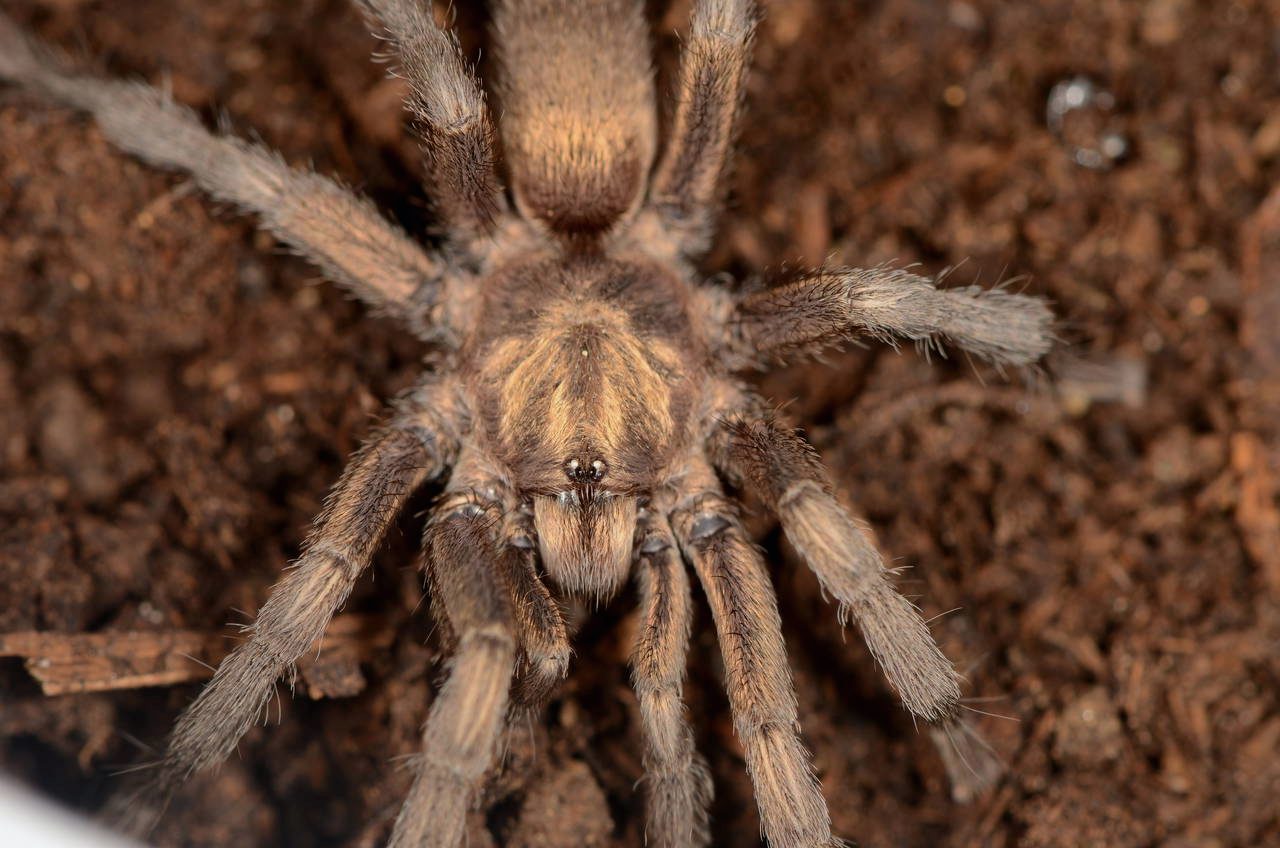
Decades later, these samples traveled across continents, reaching the renowned Senckenberg Museum in Germany. It was here that international arachnologists identified an *unusual* tarantula species, which sparked a flurry of research interest and academic collaborations.
What Makes This Tarantula So Special?
The *species* in question belongs to the genus Ischnocolus, specifically identified as Ischnocolus valentinus. This is the first confirmed record of this species in Turkey, elevating its status from an obscure creature to a significant element of the region’s biodiversity.
Understanding the significance requires appreciating that Ischnocolus species are predominantly North African and Mediterranean predators. Their presence in Turkey opens new avenues for studying biogeographical connections and historical migration patterns of arachnids across the Mediterranean basin.
The Scientific Journey: From Collection to Publication
Dr. Ersen Aydın Yağmur, a respected professor at Manisa Celal Bayar University, led the research team that meticulously examined the *specimens*. They compared morphological features with known species and employed advanced genetic techniques to confirm its classification as Ischnocolus valentinus.
The process highlights a crucial aspect of modern taxonomy: integrating classical morphology with molecular data. This approach ensures precise identification, especially critical for species with subtle distinguishing features.
The research was published in the distinguished Invertebrate Zoology journal, emphasizing its peer-reviewed credibility and global scientific importance. The paper discusses the potential historical importation of this tarantula, considering the region’s rich ancient maritime history.
Implications for Biodiversity and Conservation
This discovery underscores the importance of protecting native habitats like Bafa Lake, which serve as reservoirs of undiscovered or poorly understood species. The potential impact of human activity, including trade and land development, necessitates proactive conservation strategies to preserve these rare arachnids.
Additionally, this finding challenges existing assumptions about the distribution of tarantula species in the Mediterranean. It raises questions about whether other hidden populations await discovery in less-explored regions of Turkey and neighboring countries.
Ancient Trade Routes and Biological Dissemination
Historical evidence suggests that Bafa Lake was part of significant trade networks dating back to Ancient Greece and Persia. The region’s archaeological richness hints that the tarantula may have been introduced intentionally or accidentally via maritime trade routes, possibly as part of cargo or goods transported long distances.
This hypothesis finds support in observable patterns where species distributions are often tied to ancient human movements, trade, and settlement patterns. The presence of this tarantula could mirror prehistoric trade routes, offering a biological perspective on human history.
Future Research Directions and Ecological Significance
Scientists are now keenly interested in studying the ecological role of Ischnocolus valentinus within its environment. Is it a keystone predator? How does it interact with other species? Answers to these questions can help develop comprehensive conservation plans for the region.
Further research could include population surveys, habitat modeling, and genetic diversity assessments, essential for understanding its resilience to environmental changes.
How to Protect Rare Species Like This Tarantula
- Protect Habitat: Recognize and conserve regions like Bafa Lake as significant biodiversity hotspots.
- Legislate and Enforce: Implement laws that prevent illegal collection, trade, and habitat destruction.
- Encourage Awareness: Educate local communities and tourists about the ecological importance of native arachnids.
- Support Scientific Research: Fund studies and ecological monitoring programs to fill gaps in knowledge.
Conclusion
The discovery of Ischnocolus valentinus near Bafa Lake is a testament to the continuous surprises nature holds. It reminds us of the richness of Turkey’s biodiversity and the importance of cross-border scientific collaborations in unveiling the secrets of our planet’s ecological tapestry. Protecting such rare species not only preserves biodiversity but also enhances our understanding of historical human-environment interactions, offering insights that reach far beyond biology.