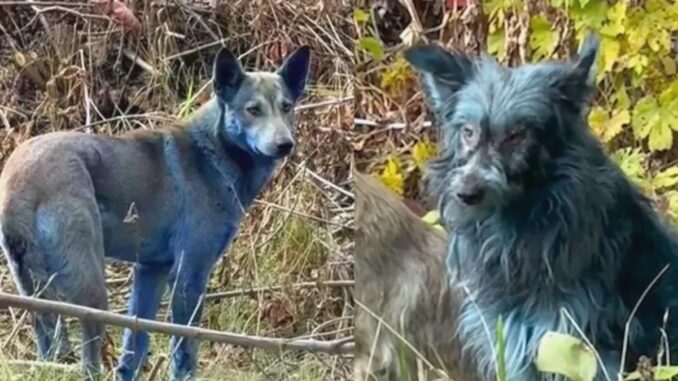
The First Sightings of Blue Dogs in Chernobyl and How the Footage Shaped the Agenda
While Chernobyl is remembered as one of the largest nuclear disasters worldwide, the region’s ecosystem and living creatures have been shrouded in secrets for nearly forty years following the event. Videos from the area, which emerged in early October and spread rapidly on social media, triggered speculation about the appearance of animals called “blue dogs”. These images attracted attention not only visually but also with the curiosity and concern they generated in the atmosphere. At first glance, these dogs’ unique blue colors and behaviors were scientifically mysterious and astonishing. The photos and videos taken drew the interest of experts and nature enthusiasts trying to uncover the region’s secrets, accompanied by numerous comments and analyses. With the widespread sharing of these images, the initial assumption was that high radiation levels triggered these differences. However, detailed investigations and field studies revealed that this hypothesis was incorrect and that different factors were at play in the phenomenon.
The Effect of Radiation on Blue Dogs: Beyond the Truth
If we recall, after the Chernobyl disaster, radiation levels in the region were much higher than normal, and it is known that these levels caused serious damage to the physiology of living beings. However, the presence of blue dogs in the area cannot be directly linked to these radiation levels. Experts agree that radiation in the region does not cause color changes in dogs’ fur. Detailed laboratory analyses and field studies show that the color change in dogs occurs due to chemicals or environmental factors. Furthermore, radiation levels are not high enough to alter these animals’ genetic structures; this makes it inevitable that other causes are involved. Health problems or genetic disorders related to radiation cannot cause the reddish or blue tones in their fur. At this point, experts emphasize that the incident should be explained through natural processes and regional factors.
The True Causes of Blue-Colored Dogs and Chemical Factors
Detailed examinations reveal that the factor responsible for the color change in the blue dogs is actually the impact of external environmental chemicals and region-specific chemical substances. Infrastructure activities, waste resulting from uncontrolled use of chemicals by visitors and in the region, interact with soil and water over time, leaving lasting effects on living beings. Especially, incorrect use or accidental spills of portable toilets and cleaning products in the region were identified as sources of chemical dyes and substances contaminating animal fur. These chemicals can alter the appearance of animals and also pose health risks. The blue color in the dogs’ fur results from such chemical or paint substances and indicates the presence of fossil or chemical pollutants in the regional ecosystem.
Environmental Impacts and the Rise of Chemical Communication
The increase in environmental pollution and chemical waste in the region continues to be the main factor behind the appearance of blue dogs. Studies confirm that chemical substances found in water and soil in the area trigger color changes when they adhere to the animals’ fur. These substances are especially thought to be the result of industrial waste and local industrial activities. These factors, associated with environmental degradation and imbalance, affect living beings’ lives in a way that requires not just ordinary measures, but conscious and scientific approaches. This situation is critical for the region’s ecosystem and the adaptation processes of animals. The widespread presence of chemical substances at high levels reduces the region’s chances of returning to its natural state and, in the long term, paves the way for genetic mutations and environmental deterioration.
Health and Biological Conditions: Urgencies and Concerns for Blue Dogs
The concept of blue coloration is generally associated with animals’ health conditions. However, observations and research indicate that these dogs are not under serious health threats. The color change in their appearance is a temporary condition linked to external environmental factors. Although chemicals may cause a change in fur color, there is no major health risk involved. Nonetheless, animals exposed to chemicals have a high likelihood of encountering toxic effects and health problems in the long run, making intervention and protective measures essential. Many veterinarians and biologists highlight that urgent steps are needed to improve living conditions for the regional animals and to perform chemical cleaning. These measures are crucial not only to protect animal health but also to ensure the ecological integrity of the region.
Evolution and Adaptation Processes in Wildlife: Chernobyl as Part of Evolution
Although the high radiation levels in Chernobyl have fundamentally affected habitats and the genetic structures of animals, these creatures surprisingly adapted to these harsh conditions. Wild dogs, birds, and other mammals developed resistance to radiation and acquired new characteristics. These adaptations, formed through a combination of genetic mutations and environmental pressures, turned the area into a new habitat. As evolutionary processes accelerated, these animals exhibit traits resistant to high radiation. For example, some dogs’ muscle structures and immune systems have evolved to survive in this environment. However, these evolutionary changes, combined with chemical effects, influence the region’s biodiversity and contribute to the formation of new genetic species. These processes distinguish the local fauna from ordinary life and allow for the emergence of a new ecological balance and level of adaptation.
The Future of the Region and Necessary Measures in Veterinary and Environmental Studies
In the Chernobyl area, actions aimed at protecting animal health and restoring environmental balance are critically important. Detecting and cleaning chemical waste and pollutants in the region form the foundation of sustainable living. Veterinarians aim to prevent potential toxic effects by regularly monitoring the health of animals in the area. Additionally, restoring natural habitats and carrying out environmental cleanup projects are ongoing efforts to return the region to its former state. Ultimately, focusing on sustainable, scientifically-based solutions to improve living conditions for animals and preserve ecological balance is essential. These efforts will facilitate the ecological reconstruction of the region and become the most valuable legacy for future generations.