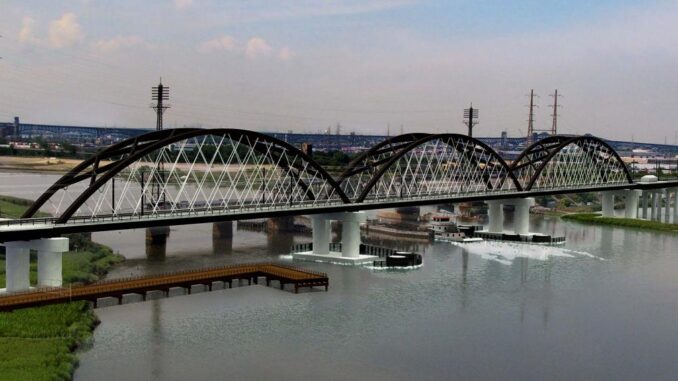
For over a century, the Portal Bridge has been a critical yet notorious chokepoint on the vital Northeast Corridor, a key artery that connects major cities along the Atlantic coast. Originally constructed in 1910, this aging infrastructure has long struggled to meet the demands of modern rail traffic, often causing delays and operational failures that ripple across the national rail network. Recognizing the urgent need for a comprehensive upgrade, authorities embarked on a bold project to replace this dilapidated structure with a state-of-the-art solution designed to enhance capacity, safety, and reliability.
The ongoing transformation symbolizes more than just a bridge replacement; it signifies a pivotal shift in America’s approach to resilient and efficient transit infrastructure. The new Portal North Bridge is poised to reshape daily commutes, boost economic activity, and fortify the regional economy against future transportation challenges caused by congestion, climate change, and aging infrastructure.
Authentic Challenges of the Original Portal Bridge
The original Portal Bridge, characterized by its obsolete design and mechanical complexity, has been a persistent hurdle for rail traffic. Its detrimental impact on schedule adherence stems from frequent mechanical failures, bottlenecking trains heading toward New York City and beyond. During peak hours, delays could stretch into hours, disrupting millions of travelers and freight shipments. The bridge’s reliance on a deteriorating drawspan, activated by obsolete mechanical systems, compounded repair costs and maintenance headaches, intensifying the need for a modern replacement that could handle today’s traffic volume efficiently.
The Gateway Program Paves the Way for Change
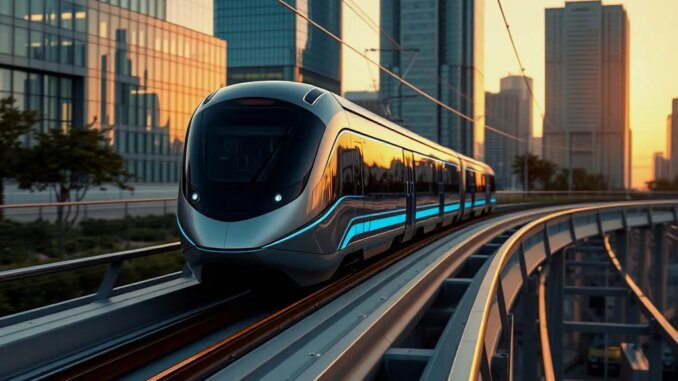
The ambitious Gateway Program, with an investment exceeding $16 billion, envisions a comprehensive overhaul of the region’s rail infrastructure. Central to this initiative is the construction of the Portal North Bridge, a high-capacity, modern structure designed to withstand the challenges of the 21st century. Unlike its predecessor, the new bridge will feature double-track capacity, accommodating both passenger and freight trains with minimal delays.
This project is not only about replacing an old bridge; it aims to create a resilient corridor capable of supporting increased rail traffic, improving security, environmental sustainability, and reducing carbon emissions. The modern bridge’s weather-resistant design and state-of-the-art technology aim to prevent the frequent mechanical failures that plagued the original, ensuring smoother, more reliable service for decades to come.
Operational Impact During Construction
Replacing the Portal Bridge is a complex engineering task, requiring meticulous planning to minimize disruption. As of now, rail operators have rerouted several trains to a single shared track between Newark and Secaucus, creating a temporary bottleneck. This approach allows construction to proceed while maintaining some level of service, although it carries consequences.
- Reduced Frequency: During peak hours, the number of trains entering New York City via Penn Station has decreased, leading to longer wait times for commuters.
- Operational Delays: The bottleneck temporarily affects both Amtrak and NJ Transit services, requiring passengers to adapt to unpredictable schedules.
- Passenger Concerns: Travelers have reported frustration due to last-minute cancellations and extended wait times, underscoring the importance of efficient project management.
Unforeseen Hurdles: The 48-Hour Rule and Its Impact
One unexpected challenge during construction relates to the 48-hour rule applied to train crew scheduling, which significantly impacts service reliability. This policy requires that any crew change or re-assignment be confirmed at least 48 hours in advance. When infrastructure work necessitates sudden changes, train operators often find themselves unable to promptly reassign crews, resulting in last-minute cancellations.
This procedural delay has created a scenario where more than 50 trains have been canceled in a single weekend, leaving thousands of commuters either stranded or forced to find alternative routes. The disruption has also sparked criticism from public officials and commuters, who demand more flexible scheduling policies during major infrastructure upgrades.
Public Response and Growing Frustration
Passengers, especially daily commuters dependent on NJ Transit and Amtrak, have voiced their discontent across social media platforms. Many describe feeling “stranded” or “disappointed” as the infrastructure upgrades, meant to improve service, have instead introduced chaos and unpredictability.
Social media posts highlight a common concern: the lack of adequate advance warning and transparency about cancellations—that passengers often learn only moments before their scheduled departures. Moreover, just a weekend ago, 27 train services were canceled in one day, emphasizing the fragile balance between construction progress and passenger experience.
The Future Looks Promising Despite Short-Term Disruptions
While the current phase of construction certainly presents inconveniences, officials emphasize that these are necessary steps toward a more resilient, high-capacity rail corridor. The goal is to complete the Portal North Bridge by March 13, after which rail operators expect a far more reliable and efficient service, with a significant decrease in delays and cancellations.
Once operational, the new bridge will facilitate a seamless flow of trains, effectively eliminating the bottleneck that has plagued the region for over a century. It will also serve as a key component in regional resilience strategies, helping prevent future disruptions caused by extreme weather, infrastructure failures, or increased traffic demands.
Travelers are advised to monitor official updates closely and plan their trips accordingly, as this upgrade marks a pivotal shift in regional transit infrastructure that impacts millions annually. The completion of the Portal North Bridge stands as a testament to ongoing efforts to modernize America’s rail infrastructure—despite the short-term inconvenience, it promises a future of safer, faster, and more dependable rail transportation across the Northeast corridor.