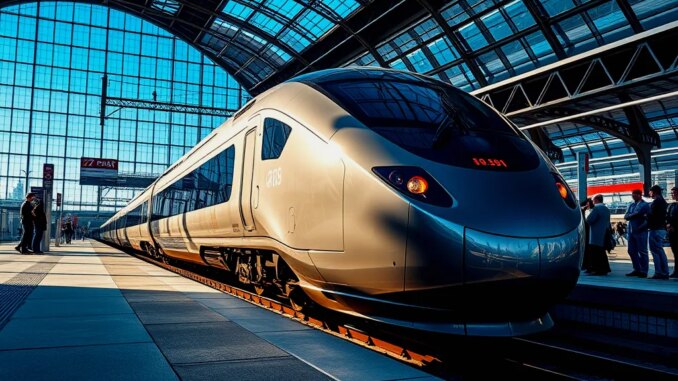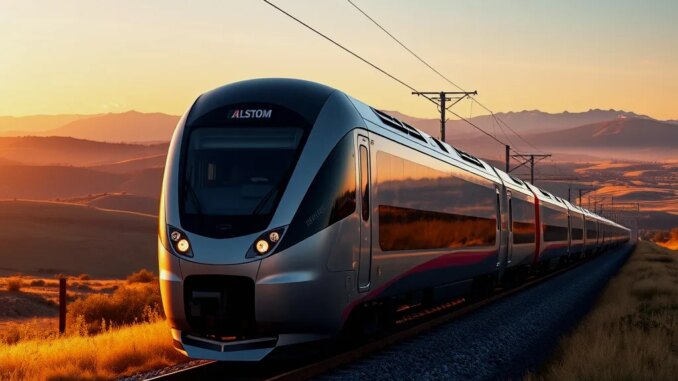
In the realm of modern transportation, few projects signal such a profound leap forward as Alstom’s comprehensive overhaul of the UK’s railway fleet. This initiative isn’t just a routine maintenance job; it’s a meticulous, high-stakes endeavor to redefine long-distance travel—combining cutting-edge technology, expert craftsmanship, and strategic vision to elevate passenger experience and operational efficiency to unprecedented heights.
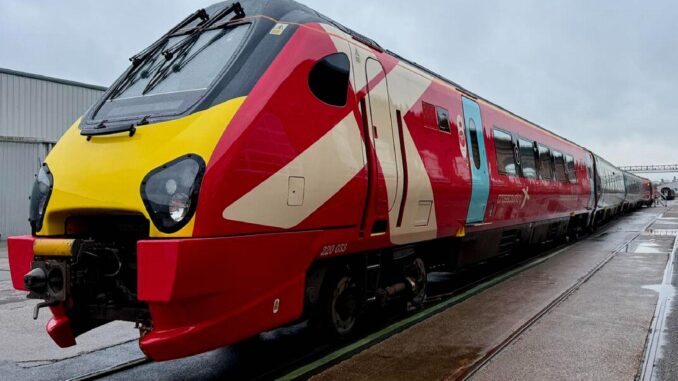
Imagine a train that has traveled over 5.8 million miles—equivalent to circling the Earth nearly 240 times—yet remains at the forefront of reliability and comfort. That’s the enduring legacy of the 220 Class Voyager trains, now undergoing a dramatic transformation spearheaded by Alstom. This overhaul ensures that these legacy icons continue to serve millions of Britons, providing safer, smoother, and more sustainable journeys for decades to come.
Modernizing Britain’s Iconic Voyager Fleet
The £60 million investment dedicated to refurbishing the Voyager series signifies more than simple upgrades. It reflects a strategic move to extend the lifecycle of Britain’s most heavily utilized long-distance trains, which connect major cities from Aberdeen to Penzance. The project involves comprehensive technological enhancements, interior refurbishments, and revamped safety systems, designed to meet and exceed current standards.
Leading this charge, Alstom deploys a team of over 130 specialists who focus exclusively on integrating innovative solutions into each train. The process involves:
- Advanced diagnostic systems to monitor train health in real-time, significantly reducing unexpected breakdowns
- Energy-efficient propulsion systems that lower fuel consumption and reduce carbon footprints
- Passenger comfort upgrades including improved seating, lighting, and Wi-Fi connectivity
- Enhanced safety features such as upgraded braking systems and automatic safety protocols
This transformation isn’t merely aesthetic. It’s a strategic reinforcement of the vital role these trains play in Britain’s transportation network, ensuring they can handle increased passenger demand and adhere to stricter environmental commitments.
Derby’s 150-Year Engineering Heritage
The refurbishing activities take place in Derby’s historic Litchurch Lane Works, a facility renowned for its engineering excellence since 1870. As the UK’s oldest operational train factory, it symbolizes the country’s deep-rooted railway expertise. With nearly 150 years of innovation, Derby remains a hub of cutting-edge train manufacturing, testing, and modernization.
Crucially, the modernizations conducted here serve as a testament to the enduring strength of British engineering. The facility’s highly skilled workforce ensures each train is meticulously inspected, rebuilt, and prepared for future service. It also plays a pivotal role in training new generations of engineers, maintaining the UK’s competitive edge in rail technology.
The Broader Impact of the Upgrades
Alstom’s investment in modernizing the UK’s train fleets does far more than improve individual trains; it forms part of a broader national strategy to revolutionize travel. These updates encompass:
- Increased capacity to accommodate rising passenger numbers, reducing congestion on key routes.
- Enhanced energy efficiency aligning with the UK’s climate goals, aiming for a significant reduction in per-passenger emissions.
- Digital transformation, integrating real-time data for operational optimization and passenger information systems.
- Sustainable operations, with a focus on recycling materials from old trains and minimizing waste during upgrades.
By upgrading the Vanguard fleet, Alstom ensures each train can operate reliably for at least another 15-20 years, safeguarding the country’s mobility infrastructure while pushing the boundaries of train modernization technology.
Future Expansion and Continued Innovation
Looking ahead, the modernization program includes plans for the complete overhaul of 136 Voyager trains and the addition of 176 new-generation carriages. Furthermore, 12 trains acquired from Avanti West Coast will join the fleet’s modernization schedule, creating a seamless experience for travelers across England, Scotland, and Wales.
Alstom’s strategies extend beyond hardware upgrades—they focus intensely on the passenger experience. Expect innovations such as enhanced Wi-Fi connectivity, smarter ticketing systems, and interior designs that prioritize comfort and accessibility. These enhancements are tailored to meet the evolving needs of travelers, fostering a rail system that’s quicker, greener, and more user-centric.
Why This Matters for Britain’s Transportation Future
Undeniably, the modernization effort demonstrates a commitment to prioritizing sustainable mobility and technological leadership. As Britain increasingly focuses on reducing its carbon footprint, upgrading existing rolling stock becomes a key element of national climate strategies. Modern trains consume less energy, produce fewer emissions, and align with global standards for responsible transportation.
This project also reveals the significance of strategic public-private collaboration. Alstom’s partnership with UK rail authorities and train operators fosters innovation, provides employment, and stimulates technological advancements rooted in local expertise. Moreover, investing in Derby’s historic facilities ensures that the UK maintains its highly skilled workforce capable of leading future innovations in rail transport.
Transforming Long-Distance Travel in the UK
Given the critical role of the Voyager fleet in connecting the UK’s farthest corners, these upgrades are set to deliver tangible benefits for millions of passengers. Improved reliability, comfort, and environmental sustainability will make long-distance trains more attractive than ever, encouraging a modal shift from cars and planes, and supporting the UK’s broader climate targets.
Within the next two years, as more trains undergo modernization, travelers can expect transformative changes—faster, safer, and greener journeys that keep Britain at the forefront of rail innovation globally. This ambitious investment by Alstom underscores a broader vision: a future where rail transportation remains reliable, sustainable, and poised to meet the needs of generations to come.