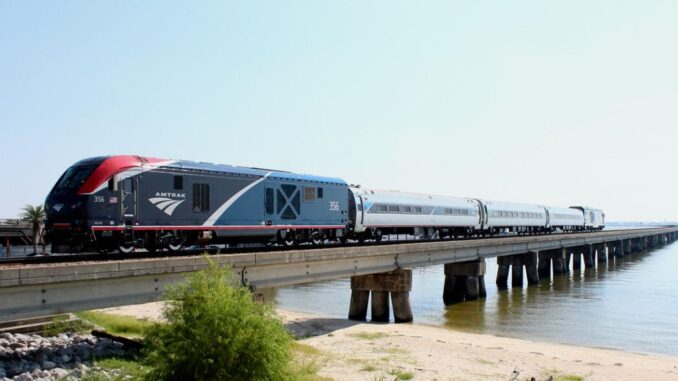
Introduction: A New Dawn for Gulf Coast Rail Travel
In an era where transportation innovations often struggle to meet projected goals, the recent surge of Amtrak’s Mardi Gras service on the Gulf Coast route defies expectations. Since its inception, this line has become more than just a transit option; it’s igniting economic revitalization, boosting regional connectivity, and redefining intercity travel along the Gulf of Mexico. These achievements did not happen by chance but stem from strategic planning, investment, and a clear focus on passenger experience.
Exceptional Passenger Numbers Accelerate Growth
Within just a few months of operation, Amtrak’s Mardi Gras route has shattered ridership forecasts, reaching over 70,500 travelers since August 2025. This rapid growth speaks volumes about the pent-up demand for dependable, efficient, and scenic rail travel connecting New Orleans to Mobile, Alabama. Initially projected to serve around 60,000 passengers annually, the line’s current performance points to a potential doubling of expectations, prompting regional authorities and operators to reconsider future expansion plans.
The Power of Strong Community and Tourist Appeal
What makes this success remarkable is the blend of local support and tourist interest. The route offers more than transportation—it’s a journey through the culturally rich Gulf Coast landscape, attracting both residents seeking reliable commuting options and visitors eager for a memorable travel experience. With 94.1% of riders reporting high satisfaction, the service has quickly become a favorite among diverse groups. The scenic views, combined with modern amenities and punctual schedules, foster a loyalty that surpasses conventional expectations for regional rail services.
Economic Impact and Regional Development
Regional leaders and economic analysts recognize that Amtrak’s Mardi Gras isn’t just about individual journeys—it’s a catalyst for regional development. The route’s success is translating into increased commerce, tourism, and job creation, providing a much-needed boost after economic downturns caused by years of infrastructural neglect. Local businesses in Mobile and New Orleans are thriving thanks to the influx of travelers, with some reporting a 25% increase in revenue attributed directly to the rail service. Furthermore, property development near stations has surged as urban regeneration projects gain momentum, creating a virtuous cycle of growth.
Revival After Katrina: A Historic Resurgence
The resurgence of the Gulf Coast rail line carries historical significance as well. Originally halted for over two decades following Hurricane Katrina in 2005, the service’s restart in August 2025 marks a pivotal moment in regional resilience. Recovery efforts included modernizing infrastructure, strengthening tracks against future storms, and integrating eco-friendly technologies to minimize environmental impact. This revival affirms a commitment to resilience and progress, reflecting regional determination to rebuild stronger than ever before.
Operational Challenges and Future Prospects
While current figures are promising, the journey isn’t without hurdles. Increasing ridership requires expanding station facilities, upgrading tracks for higher speeds, and maintaining safety standards amidst rising demand. Stakeholders are actively exploring options for service frequency enhancements, additional stops, and potential extensions beyond Mobile and New Orleans. There’s also growing interest in leveraging technology—such as real-time tracking, mobile ticketing, and passenger engagement platforms—to enhance experience and operational efficiency.
Strategic Partnerships and Funding
Behind this success lies a web of collaborations between government agencies, private investors, and regional stakeholders. Funding initiatives focus on infrastructure upgrades, environmental sustainability, and marketing campaigns aimed at expanding awareness. Significant federal and state investments have played a crucial role, with plans to allocate further resources for long-term expansion and service improvements. These efforts ensure the route’s viability amid fluctuating economic and climatic conditions.
Looking Ahead: Sustainable Growth and Innovation
Future prospects for Amtrak’s Mardi Gras are bright, with a focus on sustainable growth. Innovations like electric trains, solar-powered stations, and digital ticketing systems are under consideration to reduce carbon footprint and improve passenger convenience. Additionally, plans for regional integration aim to connect the Gulf Coast’s rail network with broader national corridors, creating a seamless travel experience across the United States.
Conclusion: A Model for Regional Rail Success
What started as a regional experiment has proven to be a game-changer in transportation — a testament to meticulous planning, community engagement, and resilient infrastructure development. As ridership numbers continue to climb and economic benefits multiply, Amtrak’s Mardi Gras could serve as a blueprint for other regional services aiming to overcome logistical hurdles and regional economic challenges. The Gulf Coast’s rail revival underscores the potential of rail travel—not just as a means of transportation but as a vital driver of regional prosperity and sustainable development.