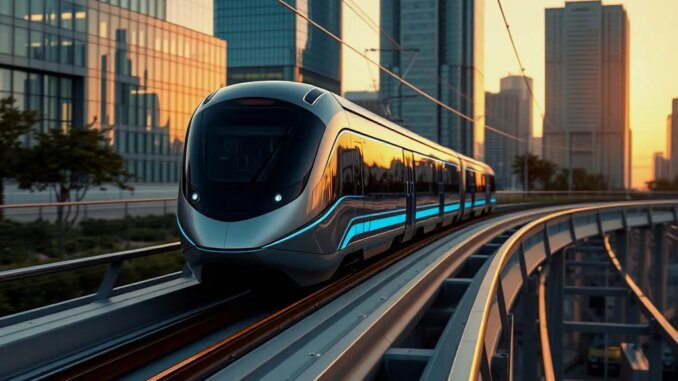
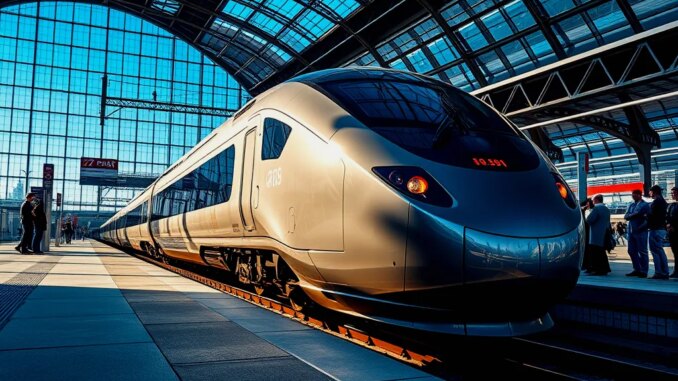
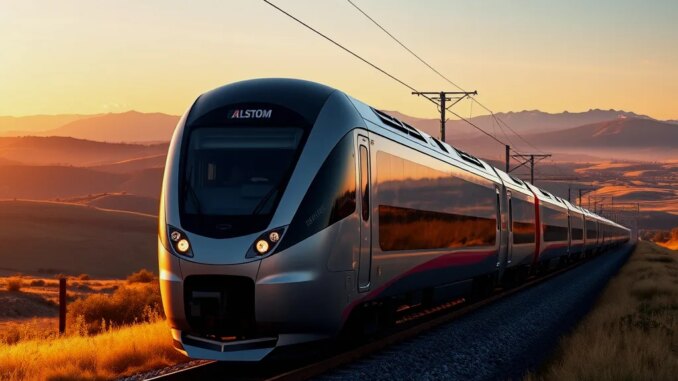
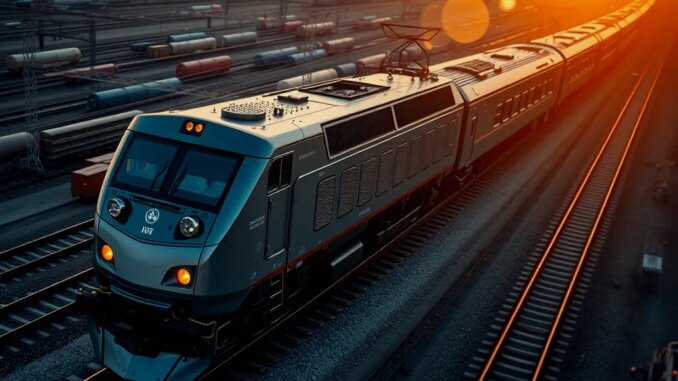
As Amtrak prepares to deploy a new generation of trains like the Alstom “New Generation Acela” sets and the Siemens Mobility Airo models, a significant transformation is underway—not just in the trains themselves but in the very infrastructure supporting them. This shift reflects a strategic move from simply procuring cutting-edge vehicles to creating an integrated, future-proof maintenance ecosystem that ensures optimal performance and safety across the entire network.
Strategic Maintenance Network: Tiered Facility Approach
The cornerstone of Amtrak’s ambitious modernization plan hinges on deploying a dual-layered maintenance facility system designed to meet diverse operational needs. This system includes six main “first-tier” maintenance centers and around 18 “second-tier” satellite facilities, structured to optimize efficiency and reduce downtime.
Leading this initiative is Martita Mullen, Vice President responsible for Rail Yard & Facility Operations, who emphasizes that this approach is crucial for handling the increased volume and sophistication of modern railcars. The first-tier centers—located in key cities such as Seattle, Boston, Queens (NY), Philadelphia, Washington D.C., and Rensselaer—are comprehensive hubs capable of performing major overhauls, extensive inspections, and complex repairs. These centers are strategically positioned to serve high-traffic corridors and facilitate rapid turnaround times.
The second-tier facilities are smaller, focused predominantly on routine inspections, minor repairs, and daily maintenance tasks. These satellite locations act as support nodes that keep trains in service longer, reducing strain on primary centers and enabling a more continuous operation cycle. This strategic distribution ensures that maintenance does not become a bottleneck, maintaining reliability and service frequency for passengers.
Innovative Maintenance Strategies to Maximize Efficiency
The traditional model of train maintenance often involves dismantling entire sets, leading to extended downtimes and increased operational costs. Amtrak’s new strategy leverages advanced technology and process innovation to avoid such inefficiencies. Central to this effort is the concept of “on-site, rapid-turnaround maintenance”, where inspections, repairs, and part replacements are performed with minimal disassembly, keeping the train set largely intact.
Derek Maier, Senior Director of Rail Maintenance, highlights that this approach enables trains to remain fully operational for longer periods and reduces the need for expensive, time-consuming overhauls. Instead, teams focus on maintaining critical components—bogies, brakes, traction motors—while preserving the structural and connection integrity of the train set itself.
This methodology relies heavily on digital diagnostics, real-time condition monitoring, and predictive analytics. Sensors installed throughout the train fleets continuously transmit operational data, allowing maintenance teams to anticipate issues before they occur, thus reducing emergency repairs and improving safety standards.
Modern Infrastructure as a Catalyst for Safety and Reliability
The move toward dedicated, state-of-the-art maintenance facilities signals a broader commitment to transportation safety and system reliability. By centralizing complex repairs in equipped hubs, Amtrak minimizes the chances of oversight and human error, enhances inspection accuracy through technological integration, and accelerates turnaround times.
Furthermore, collaboration with federal agencies like the Federal Railroad Administration (FRA) ensures that these reforms align with national safety mandates and modern safety protocols. This partnership fosters innovation in safety systems, such as integrated cyber-physical security measures, advanced track diagnostics, and wider adoption of automation in maintenance procedures.
Implications for the Future of Rail Travel
These infrastructure upgrades will inevitably lead to faster, more reliable, and safer rail services. Passengers will experience fewer delays, higher service frequency, and an overall improved travel experience. For the rail industry, this marks a significant shift toward sustainable, cost-effective operations capable of supporting high-speed, high-capacity networks.
The new maintenance ecosystem is not merely a support system—it is the backbone of a modernized rail system designed for the 21st century. As rail technology continues to evolve, the infrastructure principles adopted now will inform best practices for decades to come, positioning Amtrak as a leader in rail innovation on a global scale.