North Carolina’s Historic Rail Revival Promises Transformative Economic Growth
Imagine the impact of restoring a passenger train route that has been dormant for nearly five decades. The recent report by the North Carolina Department of Transportation (NCDOT) unveils a bold vision: bringing back the Salisbury to Asheville route could ignite an economic surge across the state. This rail restoration isn’t just a transportation project—it’s a catalyst for regional development, job creation, and enhanced connectivity that could redefine North Carolina’s future.
Strong Economic Projections Fueling Excitement
The numbers are compelling. Once operational, the redeveloped train line is expected to contribute over $66 million annually to the local economy. During its construction phase, the project is projected to generate more than $1 billion in economic activity, demonstrating its potential as a major economic engine. Local businesses, tourism sectors, and government revenue stand to benefit significantly from this investment.
Specifically, the in-construction expenditure alone, including labor, materials, and ancillary services, could inject nearly $33.6 million into regional economies. As the service ramps up, the creation of approximately 200 permanent jobs will support community stability and growth. This level of economic impact surpasses typical infrastructure projects, illustrating the transformative power of passenger rail revival.
The Strategic Route Connecting Prosperous Regions
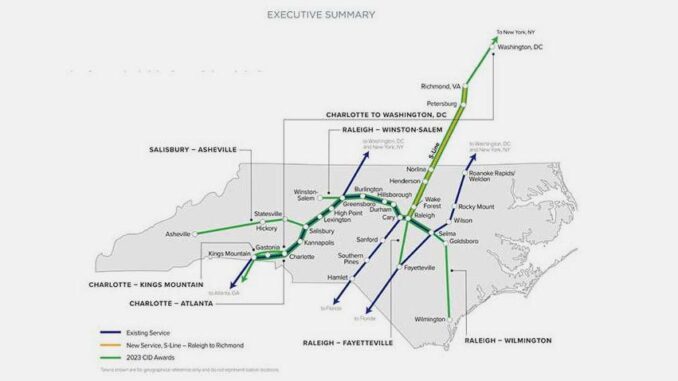
Once restored, the route from Salisbury through Asheville will serve as a vital link connecting some of the fastest-growing urban centers like Charlotte, Raleigh, and Durham with the scenic Blue Ridge Mountains. Asheville, a major destination for tourists and business travelers alike, currently lacks direct rail service within the “NC by Train” network — a gap that this project aims to close.
By integrating Asheville into the broader rail network, the project amplifies regional accessibility. It enables seamless travel for visitors and residents, fostering an environment where tourism, commerce, and day-to-day mobility thrive simultaneously. The plan aligns with North Carolina’s broader strategic goals of sustainable growth and reducing dependency on highway congestion.
Enhancing Regional Resilience and Sustainable Growth
Restoring passenger rail support not only improves regional connectivity but also bolsters climate resilience. Rail travel produces significantly lower emissions compared to cars and airplanes, aligning with North Carolina’s commitment to environmental sustainability. The project’s emphasis on modern, efficient, and eco-friendly infrastructure further supports long-term climate goals.
Additionally, this rail line provides a resilient alternative to road transport during emergencies or disruptions, ensuring vital connectivity remains accessible. Communities in Western North Carolina will benefit from increased mobility options, reducing their vulnerability to transportation outages and enhancing overall resilience.
Key Steps and Challenges Ahead
While enthusiasm surrounding the project is high, there are still critical steps to secure full funding and navigate regulatory hurdles. Currently, the project is in a preliminary planning phase, with detailed feasibility studies and environmental assessments underway. Funding strategies involve a mix of state funds, federal grants, and potential private investments, each requiring coordinated efforts and clear objectives.
Securing bipartisan political support remains essential, as infrastructure investments often face political and logistical challenges. Stakeholders must also consider the cost-benefit analysis carefully, ensuring that budget allocations reflect the project’s long-term value rather than short-term priorities. If executed effectively, the benefits far outweigh the initial costs, setting a precedent for future transportation initiatives across the state.
Potential for Broader Impact and Future Extensions
Beyond immediate economic gains, the restored route could serve as a foundation for future expansions within North Carolina’s rail network. It opens opportunities for intra-state high-speed rail developments, further reducing reliance on cars and airplanes. Moreover, enhanced rail connectivity has the potential to decentralize economic activity, distributing growth more evenly across rural and urban areas.
This project also supports North Carolina’s strategic vision of becoming a national leader in sustainable transportation. Examples from other states show that well-planned passenger rail systems stimulate urban revitalization, attract new residents, and boost property values—all of which contribute to a robust, dynamic economy.
Conclusion
The revival of North Carolina’s Salisbury to Asheville passenger rail is more than a transit upgrade; it’s a transformative economic and environmental strategy poised to redefine regional dynamics. With estimated benefits surpassing a billion dollars in economic activity and hundreds of stable jobs, it promises to unlock new pathways for growth and sustainability. As planning advances and investments flow in, this project stands at the forefront of modern infrastructure initiatives that prioritize community resilience, environmental stewardship, and long-term prosperity.