In a decisive move to enhance transportation safety, Ohio has announced the allocation of federal funds specifically aimed at modernizing critical railroad crossings within Muskingum County. These improvements are set to bolster the safety infrastructure along one of Ohio’s busiest regional rail lines, directly affecting thousands of commuters and local residents. The project’s implementation reflects Ohio’s commitment to integrating federal support with state efforts to create safer, more efficient transportation corridors.
Central to this initiative is the collaboration between various stakeholders, including the Ohio Public Utilities Commission (PUCO), Ohio Central Railroad (OHCR), and broader federal transportation agencies. This joint effort aims not just to upgrade physical infrastructure but also to meet evolving safety standards that are crucial in minimizing accidents at level crossings. As rail traffic volume increases alongside regional development, proactive safety measures become essential in preventing potential tragedies.
Details of the Safety Enhancement Project
The focus of this substantial investment lies at the intersection of State Route 208 and Muskingum Boulevard, a notorious crossing prone to congestion and risk due to outdated safety measures. Ohio CR plans to install state-of-the-art warning systems, including flashing lights, automatic barrier arms, and enhanced signage designed to alert both vehicle drivers and pedestrians. These elements are pivotal in reducing the probability of collisions, especially as distracted driving continues to be an escalating concern nationwide.
Implementing these systems requires precision engineering and meticulous planning. The project timeline encompasses phases of design, equipment procurement, installation, and testing, with a completion target set for November. These upgrades will integrate seamlessly into existing traffic patterns, minimizing disruptions while maximizing safety benefits for all users.
Funding Breakdown and Financial Strategy
The total cost of this safety overhaul is estimated at $201,606. Federal funds, allocated through the U.S. Department of Transportation’s (USDOT) safety grants, will cover approximately 80% of this total, reflecting a significant investment in local infrastructure. The remaining funds, amounting to $40,321, will be directly contributed by Ohio Central Railroad, signifying a shared commitment to safety and community wellbeing.
| Funding Source | Contribution | Percentage |
|---|---|---|
| Federal Funds | $161,285 | 80% |
| Ohio CR | $40,321 | 20% |
Importance of Ohio Central Railroad in Regional Connectivity
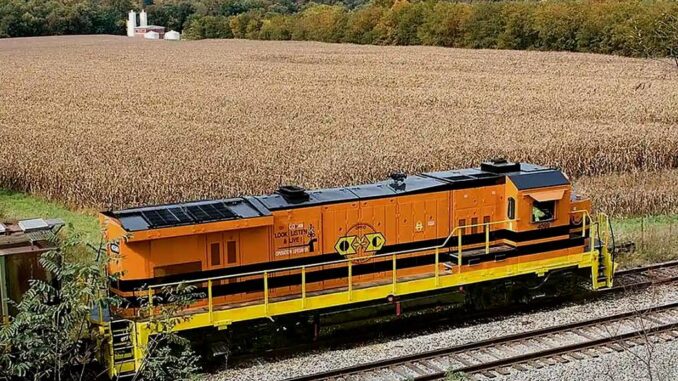
Operating a vital 71-mile rail network, Ohio Central Railroad plays a crucial role in Ohio’s logistical and economic fabric. The railroad’s strategic connections link Columbus, Zanesville, Harmon, and other key hubs with larger national rail networks operated by giants such as CSX, Norfolk Southern, and Wheeling & Lake Erie Railway.
These routes are not just corridors for freight but also essential conduits for regional commerce, manufacturing, and distribution. As the economy evolves and supply chains become increasingly complex, ensuring the integrity and safety of these rail lines takes on heightened importance.
Enhancing Safety Beyond Infrastructure
This project exemplifies a broader commitment to comprehensive safety strategies that go beyond installing new equipment. It includes regular maintenance, staff training, community awareness campaigns, and leveraging smart technology for real-time monitoring. The ultimate goal is to foster a culture of safety that permeates every aspect of railroad operations.
Moreover, this initiative aligns with federal mandates to reduce accidents and fatalities at level crossings, which remain a persistent hazard nationwide. By proactively investing in safety infrastructure, Ohio sets a precedent for other states to follow, demonstrating how targeted funding and strategic planning can significantly reduce risk.
Long-term Benefits and Community Impact
Investing in such critical safety infrastructure delivers long-term benefits, including the preservation of human lives, protection of property, and reduction of emergency response costs. It also enhances the public’s trust in rail transportation, encouraging economic growth and development in the region.
Local residents stand to benefit from the improved safety measures through reduced accident risk, smoother traffic flow, and increased awareness of rail safety protocols. Additionally, these upgrades contribute to Ohio’s broader goals of economic resilience and sustainable infrastructure development, positioning the state as a leader in transportation safety innovation.