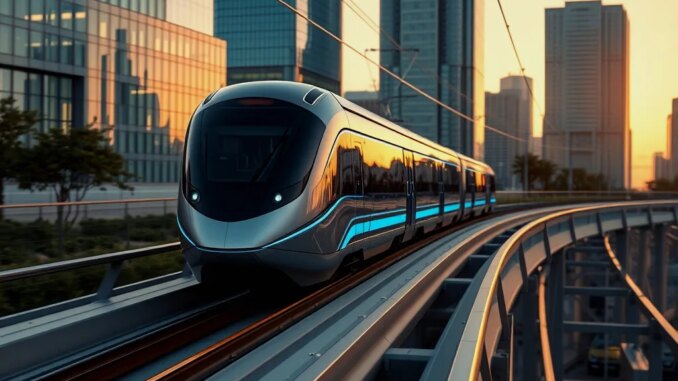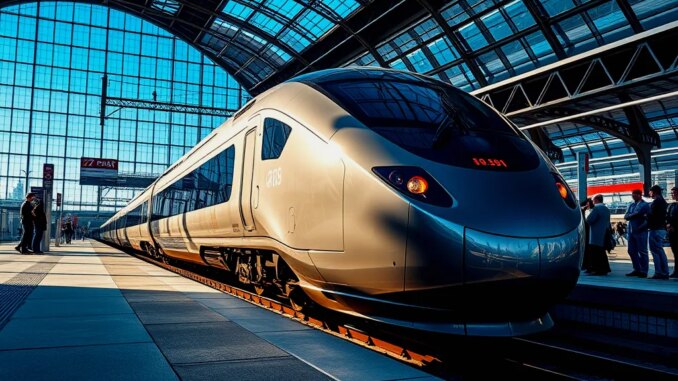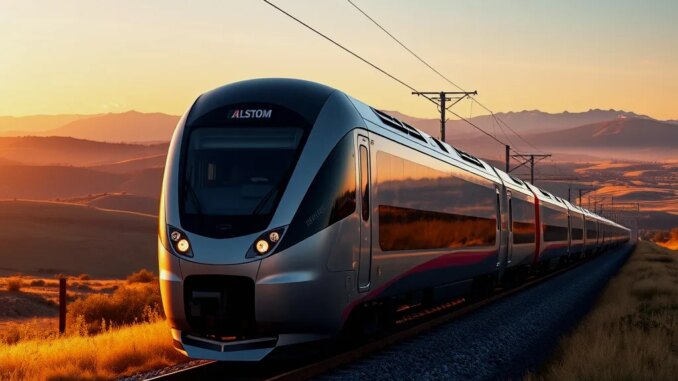
The strategic importance of the Munich-Regensburg-Prague railway corridor cannot be overstated. As one of Central Europe’s most vital transportation arteries, this route connects economic hubs, facilitates cross-border commerce, and supports regional mobility. With increasing demand for efficient, reliable, and eco-friendly transportation, stakeholders are now pushing for a comprehensive overhaul that promises to redefine international rail travel in this region.
The core ambition is to develop a seamless, high-capacity rail link between Germany and the Czech Republic, ensuring faster, more comfortable journeys while significantly reducing operational costs. The renewed focus on modern infrastructure, innovative technology, and flexible scheduling reflects the region’s commitment to sustainable growth and international cooperation. This initiative aims to not only upgrade existing services but also to set new standards in cross-border rail transport, emphasizing speed, comfort, and environmental responsibility.
Understanding the Regional Railway Landscape
The current route between Munich, Regensburg, and Prague is characterized by a mix of outdated technology and limited infrastructure capacity, which hampers optimal service levels. Trains frequently face delays due to varying electrification standards, mechanical inefficiencies, and congested main stations. Additionally, the existing diesel or semi-electrified trains are becoming increasingly incompatible with Europe’s broader transition toward greener transportation modes.
Over the past decade, passenger numbers on this corridor have surged, driven by economic growth, tourism, and cross-border business activities. According to recent data, the corridor supports approximately 2.8 million train kilometers annually, a figure expected to rise as regional integration intensifies. Despite this, operational bottlenecks and aging infrastructure hinder the corridor’s full potential, compelling authorities and operators to explore comprehensive modernization strategies.
Key Elements of the Future Rail Upgrade
- Extended Operational Contracts: A 15-year contract extending until 2046 ensures long-term stability and encourages investment. It encompasses service frequency, capacity enhancements, and technological upgrades.
- Enhanced Scheduling and Frequency: Maintaining a bi-hourly schedule is crucial, but plans to introduce additional evening services, particularly from Prague to Munich, aim to boost passenger convenience and reduce road traffic.
- Infrastructural Modernization: Upgrading signaling systems, station facilities, and track quality will accommodate higher speeds and improve safety standards. Eliminating bottlenecks at principal junctions like Regensburg and Pilsen is integral to this process.
- Rolling Stock Innovation: Transitioning from aging rolling stock to modern, energy-efficient trains with capacities exceeding 500 seats aligns with environmental goals and passenger comfort expectations. Modern equipment features amenities such as air conditioning, Wi-Fi connectivity, and ergonomic seating.
- Harmonized Power Systems: Addressing the technical complexity of mixed electrification standards and non-electrified sections involves deploying hybrid locomotives capable of operating seamlessly across different power sources, reducing the need for locomotive changes and service interruptions.
Overcoming Technical Challenges with Innovation
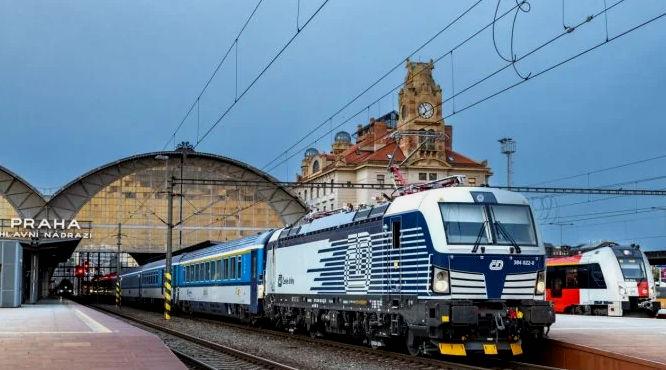
The route’s technical landscape presents unique challenges. Trains traveling from Munich to Prague currently need to switch locomotives multiple times—at Regensburg, Schwandorf, and Pilsen—due to incompatible power systems. This process not only consumes time but also increases operational costs and complicates scheduling.
Introducing hybrid locomotives equipped with advanced power management systems offers a promising solution. These trains can operate on various electrical standards, including AC and DC, and can run unpowered segments without requiring additional equipment change. This capability shortens travel times, enhances reliability, and reduces maintenance complexity. Moreover, continuous investments in infrastructure, such as installing universal substations and standardized signaling systems, will support this technological integration.
Improving Passenger Experience and Capacity
The surge in demand necessitates a focus on passenger comfort and capacity. Future trains will be designed to offer a minimum of 500 seats, with features like climate control, free Wi-Fi, real-time information displays, and ergonomic interiors. These upgrades aim to attract not just commuters but also leisure travelers and business groups who prioritize convenience and professionalism.
Furthermore, upgrading station facilities at key points—Munich Central Station, Regensburg, and Pilsen—will streamline boarding processes and reduce congestion. Investing in seamless ticketing systems, digital information displays, and passenger lounges will significantly enhance the travel experience and encourage higher ridership.
Sustainable and Future-Ready Transport
Aligning with Europe’s Green Deal and climate goals, the corridor’s modernization emphasizes low-emission transportation. By replacing diesel-powered trains with electrified, hybrid, or zero-emission units, the project significantly reduces carbon footprints. This shift not only helps meet regional environmental targets but also improves air quality across cities and rural areas along the route.
Notably, the development of a high-standard rail corridor will facilitate modal shift from road to rail, easing congestion on highways, decreasing greenhouse gas emissions, and supporting national and EU-wide sustainability objectives. The focus on energy efficiency, renewable integration, and smart track management positions this project as a model for future cross-border transport initiatives.
Long-Term Strategic Impact
Once completed, this corridor will serve as a blueprint for similar projects across Europe. It exemplifies how targeted investments, technological advances, and coordinated policies can transform regional transport networks into reliable, sustainable, and competitive alternatives to road and air travel.
The new contract expiring in 2046 aims to secure a stable operational framework, encouraging private operators and public agencies to collaborate closely. This synergy is essential for maintaining high service standards, innovating continuously, and adapting to emerging transport needs in a rapidly changing economic landscape.
In essence, revitalizing the Munich-Regensburg-Prague rail corridor involves harmonizing complex technical systems, increasing capacity, and aligning with sustainable practices—an ambitious yet achievable goal that promises a stronger, greener, and more connected Europe.