Imagine seamlessly traveling across borders with a single ticket that combines the speed and comfort of high-speed rail with the convenience of international flights. As intermodal transportation becomes a game-changer in Europe’s transit landscape, the latest collaboration between Deutsche Bahn (DB) and Brussels Airlines stands at the forefront of this transformation. This partnership introduces a new era where traveling from Germany to Belgium is no longer segmented by different modes of transport but integrated into a cohesive, efficient experience that saves time, reduces stress, and offers unparalleled flexibility.
For travelers commuting between Cologne, Aachen, Liège, and Brussels, this new service promises more than just a route—it elevates the entire journey. The core innovation lies in the integration of high-speed ICE trains with international flights, synchronized through a unified booking system that supports the popular codeshare model, typically seen in airline partnerships. Now, passengers can book a single journey encompassing train and flight segments, minimizing transfer hassles and optimizing connections. This approach resonates particularly well in today’s climate-conscious world, where efficiency and sustainability take precedence without compromising comfort.
Unified Ticketing and Seamless Connections
The introduction of a single ticket system for combined train and air travel simplifies what was once a complex, multi-step process. Passengers no longer need to purchase separate tickets for each leg of their journey; instead, they select their intended route via travel agencies, airline websites, or railway systems, and receive one comprehensive ticket. This not only streamlines the booking process but also ensures better coordination between airlines and rail operators—reducing risks of missed connections and delays.
What makes this integrated solution truly innovative is the codeshare agreements adapted for intermodal travel. Instead of separate reservations, the entire journey is mapped out as a continuous service, allowing for better scheduling, real-time updates, and optimized resource allocation. If a delay occurs on the train segment, the airline is informed promptly and can rebook the passenger on the next available flight or train, preventing the frustration of missed connections.
Operational Details and Launch Timeline
The new ICE route connecting Cologne Central Station to Brussels Airport aims to revolutionize international travel within the European Union. Scheduled to commence on September 7, 2026, this service will operate with a frequency of two round trips daily, offering travelers flexibility and convenience. The journey encompasses key stopovers at Aachen, Liège, Leuven, and, finally, Brussels Airport. Travel time is expected to be around 2 hours, making it significantly faster than traditional routes involving multiple transfers or driving.
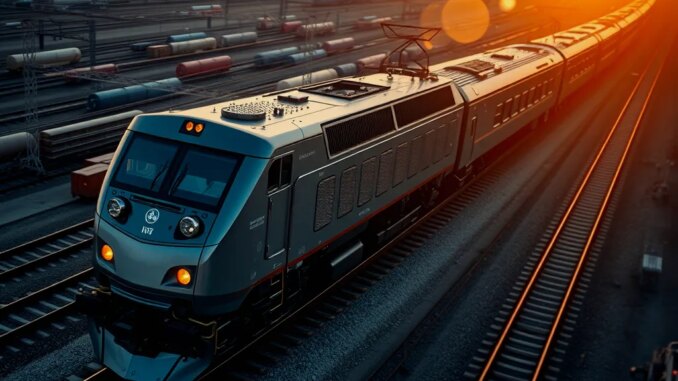
This line will utilize the latest ICE 3neo trains, distinguished by their modern amenities, energy-efficient design, and high-speed capabilities. These trains are designed to maximize passenger comfort, incorporating features like spacious seating, onboard Wi-Fi, and advanced climate control systems. The high-speed route aims to serve both leisure travelers and business commuters, facilitating rapid, reliable, and environmentally friendly cross-border mobility.
Strategic and Economic Significance
The alliance between DB and Brussels Airlines aligns with broader European goals toward sustainable transportation and intermodal connectivity. By offering a practical, eco-friendly alternative to short-haul flights and car travel, this service directly tackles issues related to congestion, pollution, and carbon emissions.
According to industry experts, the economic implications extend beyond passenger convenience. The enhanced connectivity promotes regional economic integration, attracts international investments, and boosts tourism by providing easier access to cultural and historical sites across Germany and Belgium. Additionally, it fosters stronger ties within the Star Alliance network, opening avenues for further collaboration and integrated travel solutions across Europe.
Passenger Advantages and Premium Benefits
Travelers opting for the combined train and flight options will gain access to a suite of premium services, including:
- Priority boarding and dedicated seating arrangements on trains, similar to Lufthansa’s Express Rail program
- Integrated luggage handling—checked through from origin to destination, avoiding redundant checks or transfers
- Access to exclusive lounges at key stations, including Cologne Central and Brussels Airport
- Real-time travel information and personalized notifications about delays or schedule adjustments
By aligning these benefits with international standards, the partnership creates a travel environment where passengers experience maximum convenience without sacrificing comfort, privacy, or service quality.
Enhancing Sustainable Mobility in Europe
This initiative reflects a strategic shift toward multi-modal corridors where ground and air transport systems work congruently. It demonstrates a definitive move away from reliance on cars and short-haul flights, embracing a model of environmentally responsible and cost-effective travel. With high-speed trains covering significant distances swiftly, travelers can make greener choices without compromising on time or comfort.
Moreover, the collaboration serves as a blueprint for future intermodal projects across other European routes, emphasizing the importance of public-private partnerships in advancing sustainable urban and regional mobility. As passenger expectations evolve, the integration of rail and air services will become a critical element in achieving Europe’s climate goals and economic resilience.
In essence, this combined train-flight service signifies more than just a new route; it embodies the future of interconnected, efficient, and sustainable travel that caters to today’s dynamic global landscape, positioning Europe as a leader in the intermodal revolution.