Uncovering the Hidden Dangers of Home Battery Storage
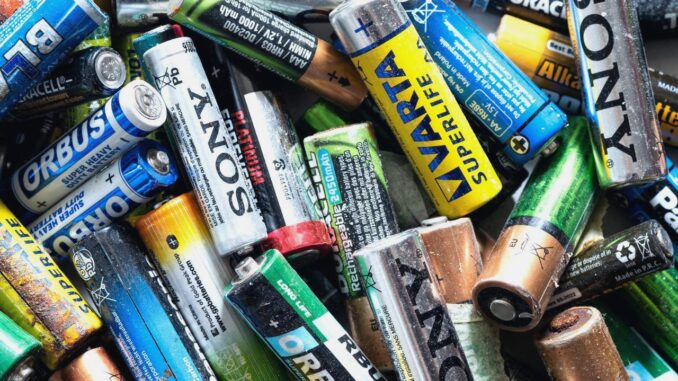
Everyday household batteries, from AA to larger types like lithium-ion, might seem harmless tucked away in drawers or drawer-like compartments. However, if mishandled, they become silent threats capable of causing fires, chemical leaks, or even explosions. It’s crucial to understand how batteries pose risks when improperly stored and what safety measures to take.
The Risks of Improper Battery Storage
Most people underestimate the hazard of keeping batteries unsorted and unprotected. When metallic objects such as coins, keys, or jewelry come into contact with battery terminals, they create a short circuit that generates heat, sparking fires or damaging the batteries irreparably.
Furthermore, storing old or damaged batteries is even more dangerous. These can leak corrosive substances like acid or other toxic chemicals, which threaten household members and damage other stored items. Lithium-ion batteries, common in smartphones and laptops, can overheat and catch fire if even slightly damaged or exposed to high temperatures.
Why Do Batteries Catch Fire?
Understanding why batteries explode or ignite underscores the importance of proper storage. The main causes include:
- Internal short circuits: Caused by manufacturing defects, physical damage, or bridging of terminals.
- Overheating: Result of excessive heat due to improper storage conditions or exposure to direct sunlight.
- Overcharging or improper charger use: Leading to thermal runaway, where the temperature rapidly escalates.
- Corrosion: Damages internal components, increasing internal resistance and risking failure.
Best Practices for Safe Battery Storage
Protect the terminals: Always cover the positive ( ) and negative (-) ends with non-conductive tape or store batteries in their original packaging to prevent accidental contact.
Use designated containers: Store batteries in a cool, dry, and well-ventilated space, preferably in a dedicated battery storage box made of non-flammable material. Avoid mixing old and new batteries or different types together.
Check regularly: Inspect stored batteries at least once a month for signs of swelling, leakage, or corrosion. Dispose of any batteries that show visible damage immediately.
Proper Disposal and Recycling
Improper disposal significantly increases the risk of environmental damage and fires. Contact local waste management services for guidelines on recycling batteries. Never throw batteries directly into household trash or fire. Recycling centers are equipped with safety measures to handle and reclaim batteries safely.
Additional Tips for Home Battery Safety
- Avoid storing batteries near heat sources, such as radiators, ovens, or sunlight-exposed windows.
- Never store batteries in humid environments as moisture facilitates corrosion and leakage.
- Use battery isolators or protective cases when storing multiple batteries, especially lithium-ion types.
- Educate family members about the risks and safety protocols to prevent accidental damage or mishandling.
What to Do in Case of a Battery Fire
If a battery ignites, do not use water to extinguish the fire. Lithium-ion fires are best managed with Class D fire extinguishers or sand. Immediately evacuate the area, call emergency services, and dispose of damaged batteries in accordance with local hazardous waste regulations.
Conclusion
Ignoring proper storage practices for household batteries can turn into a disastrous situation. By adhering to safety guidelines—covering terminals, storing in appropriate containers, regularly inspecting, and adhering to disposal rules—you can significantly minimize the risk of fire, chemical leaks, or explosions. Stay vigilant, prioritize safety, and understand that these small batteries demand careful handling to keep your home safe.