Revolutionizing the UK Rail Network: The Strategic Significance of Washwood Heath Depot
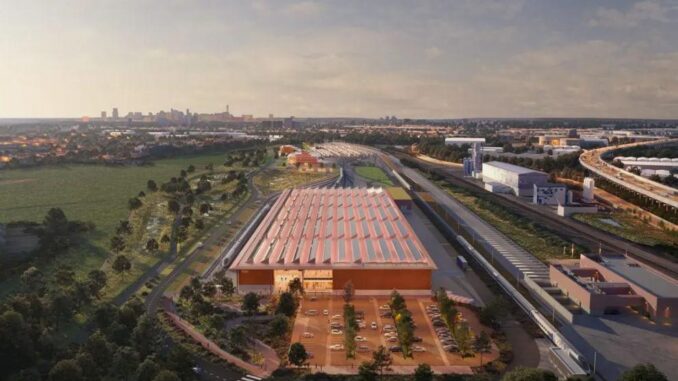
As the UK accelerates its commitment to modernize its rail infrastructure, the new HS2 Washwood Heath Depot marks a pivotal turning point in this ambitious transformation. This state-of-the-art facility is not merely a maintenance hub; it embodies the strategic vision to foster economic growth, enhance transportation efficiency, and position Britain at the forefront of high-speed rail innovation.
Transforming Disused Industrial Land Into a High-Tech Rail Hub
The Washwood Heath site, once a bustling industrial complex hosting LDV and Metro-Cammell factories, has lain dormant for years. Now, this 70-hectare area is undergoing a complete overhaul to become Europe’s most advanced high-speed train maintenance and control center. The redevelopment breathes new life into a historic site, transforming it into a modern logistical powerhouse.
Core Components of the HS2 Washwood Heath Project
- Maintenance and Inspection Facilities: Spread over 30 hectares, these include innovative train maintenance bays, automated inspection systems, and environmentally-friendly wash facilities designed to improve efficiency and sustainability.
- Integrated Control Center (NICC): Serving as the brain of operations, this hub manages train dispatching, real-time monitoring, safety protocols, and driver communication, ensuring seamless high-speed train operations.
- Testing and Support Infrastructure: Including dedicated test tracks, auxiliary buildings, and a comprehensive support network to ensure operational excellence and minimize downtime.
Economic and Social Impact: Boosting Local Communities
The investment of approximately £856 million underscores the project’s immense scale and importance. Besides boosting the UK’s high-speed rail capabilities, it offers a significant employment boost. During construction, 500 temporary jobs will flourish, while once operational, the depot will provide over 1,000 permanent skilled positions.
This development plays a central role in revitalizing Washwood Heath, historically one of the most economically disadvantaged regions in the UK. It offers a pathway to economic regeneration by fostering supply chain opportunities, encouraging technological innovation, and attracting skilled workers to the Midlands.
Advancing Operational Efficiency Through Cutting-Edge Technology
The HS2 depot integrates the latest advancements in railway technology. Automated systems facilitate routine inspections, reducing maintenance time and costs. The NICC employs sophisticated AI-driven analytics to preemptively identify potential issues, ensuring punctuality and safety. This system exemplifies how data-driven oversight can revolutionize railway management.
Environmental Commitment and Sustainability Goals
Sustainability remains a core pillar of the project. The depot design incorporates renewable energy sources, rainwater harvesting, and low-emission facilities to minimize its carbon footprint. These initiatives align with the UK government’s broader commitment to reaching net-zero emissions by 2050.
Strategic Significance in the UK High-Speed Network
Positioned on the West Midlands corridor, the Washwood Heath depot enhances HS2’s operational resilience and reduces turnaround times. This infrastructure supports the ambitious goal of cutting total journey times between London and Birmingham to under 1 hour. Furthermore, it acts as a vital logistic link facilitating the smooth deployment and maintenance of high-speed trains across the network.
Future Outlook: What Comes Next for HS2 and the Midlands
This project exemplifies the UK’s broader transport infrastructure overhaul. As HS2 progresses, similar depots will emerge along the route, creating a nationwide network of high-tech maintenance hubs. The Birmingham Washwood Heath depot will serve as a blueprint for integrating industrial heritage with cutting-edge innovation, setting standards for sustainable, efficient rail travel for decades to come.