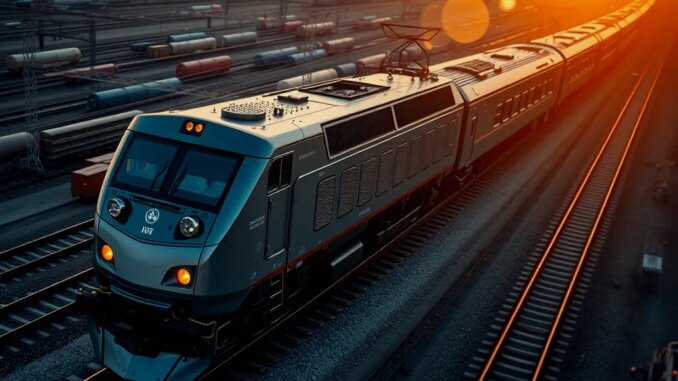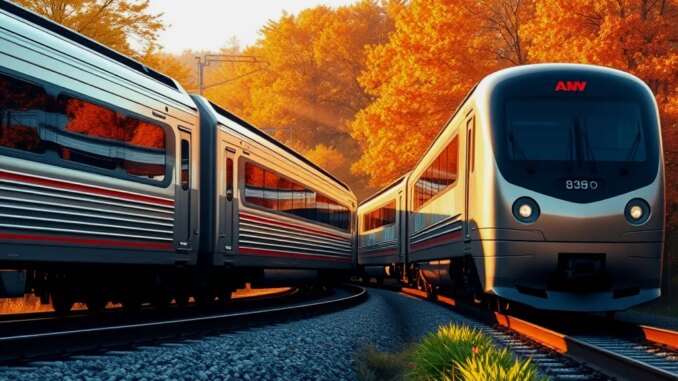
Transforming the Hiawatha Line with New Siemens Venture Wagon
In a bold move to enhance commuter rail capacity and rider comfort, the Milwaukee to Chicago Hiawatha line is set to introduce nine state-of-the-art Siemens Venture wagons in a phased deployment starting this fall. This upgrade aims to address the persistent capacity shortfall and elevate the overall travel experience for thousands of daily riders.
Addressing Capacity Shortfalls with Modern Wagon Technology
Since March 2025, the Hiawatha line faced a significant capacity reduction due to age-related issues in its existing Horizon passenger wagons. железо The culprit was corrosion in the undercarriage, which prompted temporary service limitations, reducing train capacity by approximately 100 seats per set. This meant that during peak hours, trains operated with only 260 to 280 passengers, creating an urgent need for a long-term solution.
In response, Milwaukee’s Wisconsin Department of Transportation (WisDOT) initiated a comprehensive upgrade program. The core of this plan involves introducing six standard Siemens Venture wagons and three Venture cabin wagons to replace the aging fleet, effectively restoring lost capacity and improving reliability.
Why Siemens Venture Wagon Stands Out
The Siemens Venture wagon lineup incorporates cutting-edge railcar design and technology, making it a prime choice for high-capacity regional lines like the Hiawatha. Key features include:
- Enhanced Structural Integrity: The new wagon items are built with corrosion-resistant materials, dramatically increasing service lifespan.
- Increased Passenger Capacity: Each standard wagon offers more than 80 seats, while the cabin wagon adds configurations specialized for bicycle storage and regional amenities.
- Advanced Control Systems: Integration with the latest train management technology allows for smoother operations and real-time diagnostics.
- Energy Efficiency: Reduced energy consumption aligns with sustainability initiatives, lowering operational costs.
Transforming the Passenger Experience
Beyond capacity gains, the new Venture wagon significantly upgrades rider comfort and convenience. Notably:
- Enhanced Seating Configuration: The wagon interior is redesigned for better legroom, intuitive seating layouts, and aesthetic appeal.
- Bicycle And Accessibility-Friendly Features: The cabin wagon caters to cyclists and passengers with mobility needs, supporting up to nine bicycles per car.
- Modern Climate Control and Wi-Fi: Keeping passengers comfortable and connected throughout their journey.
- Quiet Ride Technology: Noise reduction features ensure a more peaceful, enjoyable ride.
Deployment Timeline and Operational Impact
The first two Siemens Venture wagons are scheduled for initial service by September, with the remaining units entering operation gradually through October and November. This staggered rollout allows for meticulous testing and ensures maintenance teams adapt seamlessly to the new fleet.
As all nine wagons enter service, each train set will comprise five passenger wagons and one cabin wagon, collectively accommodating approximately 388 passengers and up to nine bicycles. This expansion not only revitalizes scheduled capacity—allowing more frequent and larger trains—but also addresses peak-time congestion, especially during tourist seasons and holiday periods.
Long-Term Investment and Maintenance Strategy
Despite the delays caused by global supply chain disruptions, WisDOT and Amtrak remain committed to this modernization. Originally ordered in 2021, the delivery timeline extended into late 2023 and beyond due to factory backlog and COVID-related manufacturing delays. Siemens’ production capacity now aligns with these needs, enabling the line to benefit from latest railcar technology with long-term operational support.
This push towards a modernized fleet aims not only to improve daily operations but also to reinforce Wisconsin and Illinois’ commitment to sustainable, high-quality commuter rail options. The result is a rail system that is more resilient, efficient, and environmentally friendly, providing a seamless connection between Milwaukee and Chicago for decades to come.