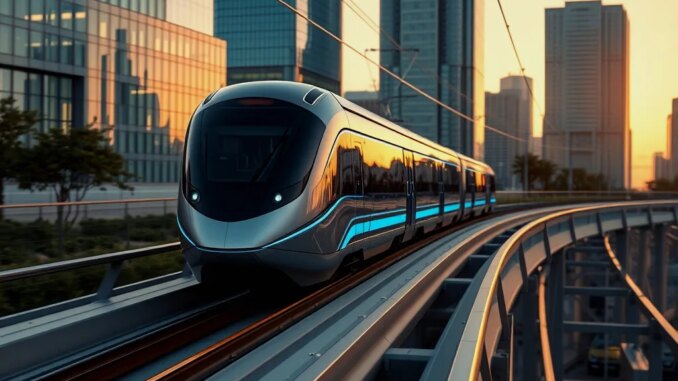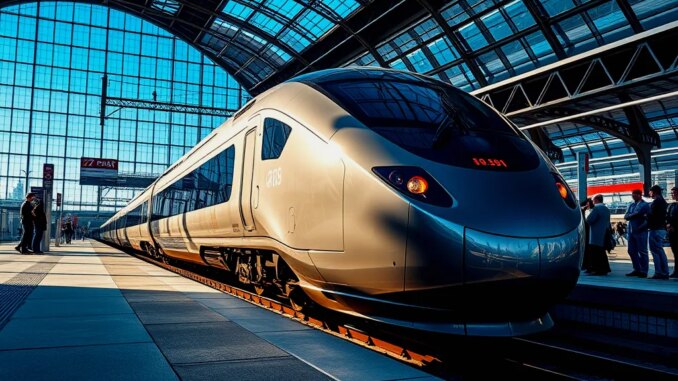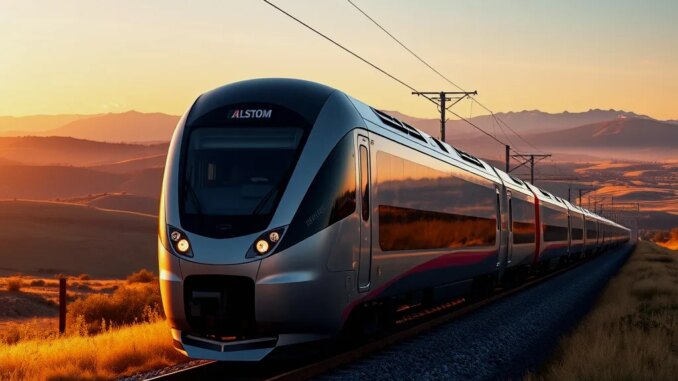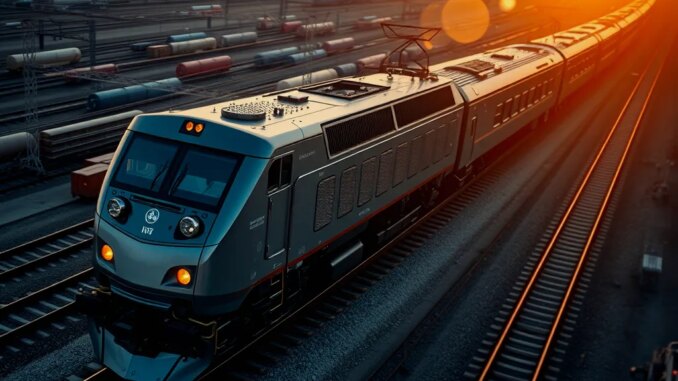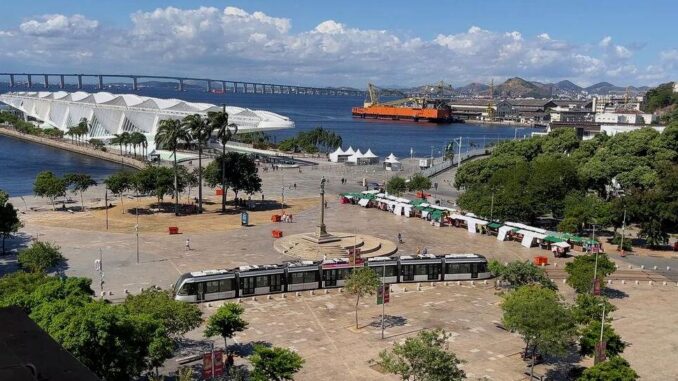
In rapidly urbanizing environments, city planners and municipal authorities face an urgent challenge: how to provide efficient, sustainable, and scalable public transportation that meets the needs of growing populations. As urban centers expand and traffic congestion intensifies, the traditional bus systems often struggle under the weight of increased demand. Enter *light rail systems*—a transformative alternative that promises not only higher capacity and better passenger experience but also significant long-term cost savings and environmental benefits.
While many cities have historically favored *Bus Rapid Transit (BRT)* due to lower initial investments, a closer examination reveals that *light rail transit (LRT)* solutions offer compelling advantages that justify their higher upfront costs. Cities that invest in *light rail systems* often find themselves better equipped to handle future growth, reduce carbon footprints, and enhance urban aesthetics—all critical factors for sustainable development.
Understanding the True Cost: Investment vs. Long-Term Savings
Many decision-makers hesitate when considering *light rail developments* because of their higher initial investments. The *capital cost* for *light rail vehicles* (LRVs) can be approximately double that of a comparable *BRT system*. This expense includes tracks, stations, and sophisticated signaling systems necessary for safe operation. However, focusing solely on upfront spending overlooks the broader financial picture.
LRVs are engineered for longevity, with expected service lives exceeding 30 years. This durability translates into *lower operational costs* per passenger over time. In contrast, BRT systems require a constant fleet of buses — often replaced every 12-15 years — which significantly inflates maintenance, fuel, and staffing expenses. Additionally, buses contribute to heavier traffic congestion, leading to more emissions and higher road maintenance costs.
Data from recent projects indicates that, when operational expenses, maintenance, and lifespan costs are aggregated, *light rail systems* can be *up to 30% cheaper per passenger-kilometer* than comparable BRT options. Cities like Zurich and Melbourne demonstrate that a strategic early investment in *light rail* yields a long-term financial advantage, especially when factoring in *environmental costs* and *urban livability* metrics.
Capacity, Efficiency, and Passenger Experience
The critical factor distinguishing *light rail* from BRT is capacity. A single 45-meter *light rail vehicle*, such as the Citadis model, can carry over 400 passengers comfortably. To match this, a BRT line would need to deploy multiple articulated buses—each with a capacity of around 100-120 passengers—and operate them at very high frequencies to achieve comparable throughput. This results in more vehicles on the road, increasing congestion, emissions, and complex scheduling challenges.
Furthermore, *light rail* provides a more comfortable, quiet, and reliable ride. Its low-floor design facilitates easy boarding for passengers with mobility challenges, strollers, or luggage. Large windows and panoramic views transform daily commutes into more pleasant experiences, encouraging greater public transit use. Cities like Portland and Geneva prioritize these onboard amenities, which cultivate loyalty and boost ridership figures.
*Tram systems* also tend to be more integrated into urban landscapes, often becoming iconic city features. This integration improves urban aesthetics and actively contributes to city branding efforts, attracting tourists and locals alike. When designed thoughtfully, *light rail stations* can serve as vibrant transit hubs, revitalizing surrounding neighborhoods.
Scalability and Future-Proofing
One of the most significant advantages of *light rail* is its scalability. As population density increases, cities can expand their *tram networks* more effectively than BRT by adding new routes or extending existing lines. Many models, such as the Citadis, are designed for modular upgrades, allowing flexible adaptation to changing demand without major overhauls.
Additionally, *light rail* systems readily incorporate advanced technologies—from automated control systems to energy-efficient regenerative braking—making them future-proof choices that can evolve with smart city initiatives. As urban centers prioritize decarbonization and digital transformation, investing in *light rail infrastructure* aligns well with long-term strategic goals.
Environmental and Social Benefits
*Light rail systems* excel in reducing urban pollution. By transporting large numbers of passengers using electricity—often sourced from renewable energy—their carbon footprint is significantly lower than buses running on fossil fuels. Studies from cities worldwide show that *light rail* projects have helped cut CO2 emissions by up to 50% compared to traditional bus systems.
Beyond environmental impacts, *light rail* systems contribute positively to urban quality of life. They promote sustainable urban expansion, reduce traffic congestion, and enhance public health by lowering air pollution. Additionally, their integration into city landscapes fosters economic development, encouraging new business projects and increasing property values in transit-adjacent zones.
In sum, opting for *light rail* is not merely about transportation; it’s about transforming urban spaces into more livable, sustainable, and economically vibrant communities.