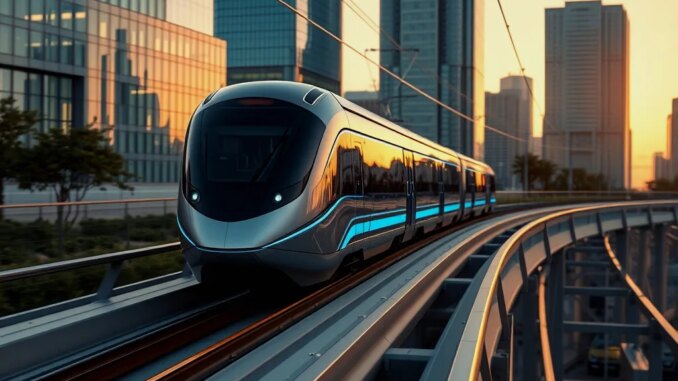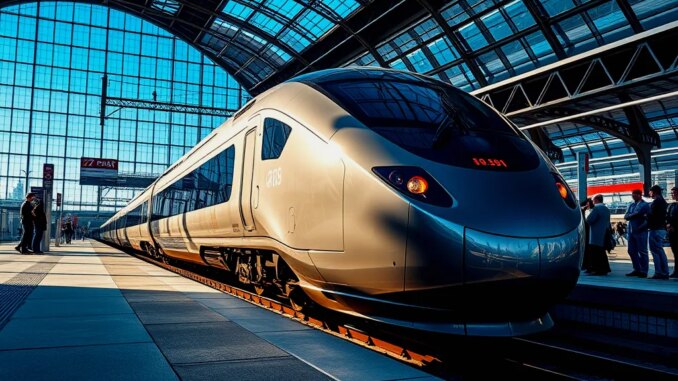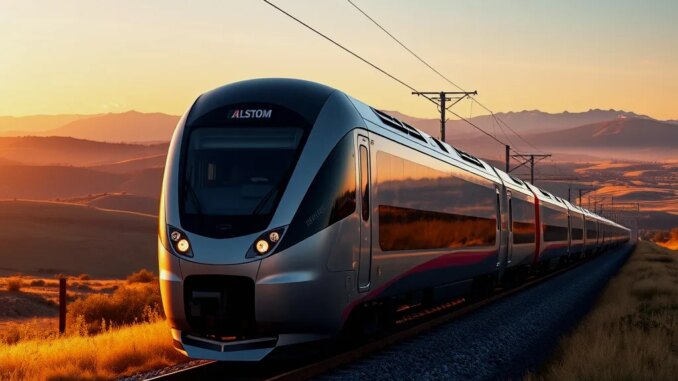
Germany’s railway system is undergoing an unprecedented transformation, driven by the strategic initiatives of Deutsche Bahn’s infrastructure division, DB InfraGO. This bold move aims to modernize and strengthen the country’s vital rail corridors, ensuring they meet the demands of the future while addressing current infrastructural challenges. With extensive projects unfolding simultaneously in North Rhine-Westphalia and Bavaria, Germany is poised to enhance connectivity, safety, and sustainability across its national rail network.
Rail transport remains essential to Germany’s economy, facilitating millions of daily commuters and freight carriers. Recognizing this, DB InfraGO has launched comprehensive upgrades that involve not just superficial repairs but fundamental overhauls of tracks, signaling systems, and station facilities. These projects aim to deliver a more resilient, reliable, and eco-friendly network capable of handling increased passenger and freight volumes in the decades ahead.
Investing in North Rhine-Westphalia’s Rail Corridors
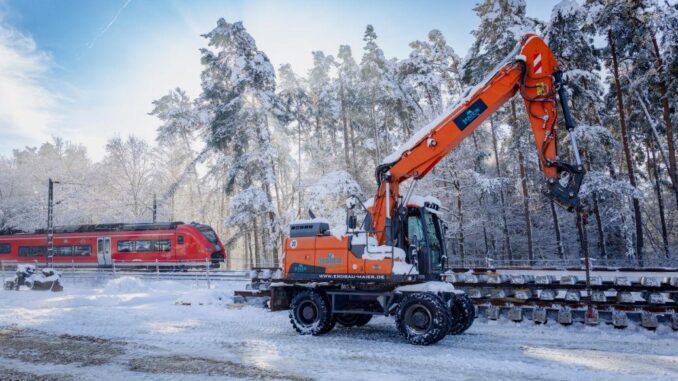
The focus on North Rhine-Westphalia centers around an intensive upgrade of key routes that link industrial hubs, major cities, and communities. The Hagen-Wuppertal-Köln corridor, vital for both regional and intercity travel, is receiving a substantial facelift. This involves strategic rail replacement works, rewiring of the power supply, and modernized< arcu> signaling systems, all aimed at boosting operational efficiency.
- Length of upgrade: 81 kilometers
- Major works: 50 switches replaced, 29 kilometers of overhead wiring updated
- Station modernization: Overhauling 12 stations including Wuppertal and Solingen
- Noise reduction: Construction of four kilometers of new sound barriers to improve local living conditions
These measures aren’t just about infrastructure; they focus heavily on passenger experience — making stations more accessible, enhancing safety, and reducing environmental impact. Building barrier-free access systems and upgrading amenities will ease mobility for disabled travelers and improve overall comfort.
Revolutionizing Bavaria’s Rail Infrastructure
Meanwhile, in Bavaria, the spotlight is on the Nuremberg-Regensburg corridor. This 88-kilometer route serves as a crucial backbone for both commuter traffic and freight logistics, handling over 350 trains daily. To sustain this volume and prepare for future growth, a comprehensive upgrade is underway, closing the line for scheduled work until July 2026.
- Scope of work: Complete renewal of 96 kilometers of tracks and 74 switch systems
- Technological innovation: Implementation of the European Train Control System (ETCS) for digital signaling
- Station upgrades: 20 stations modernized to enhance accessibility and passenger comfort
This project aims to create a seamlessly integrated, high-capacity corridor that can adapt swiftly to technological advances and increased demand. It’s not just about upgrading physical infrastructure but also transforming how trains communicate, coordinate, and operate over this key route.
Mitigating Disruptions and Ensuring a Smooth Transition
Undoubtedly, such ambitious projects come with temporary inconveniences. To prevent widespread disruption, Germany’s transportation authorities have mobilized a vast network of over 200 buses to serve as alternative transport options. Freight operators reroute trains via secondary lines, minimizing interruption to the flow of goods and maintaining supply chain integrity.
Furthermore, meticulous planning ensures that at least some services remain operational during peak construction phases, minimizing delays for commuters and freight alike. The commitment to transparency and communication is vital, with regular updates provided to travelers to keep them informed about progress and expected impacts.
These infrastructural transformations hinge on long-term sustainability goals. Upgrades incorporate energy-efficient technologies and environmentally conscious materials, ultimately reducing Germany’s transportation carbon footprint while boosting network resilience.
Long-Term Vision for Germany’s Rail Network
As these projects unfold, Germany is positioning itself as a leader in modern, sustainable rail transport in Europe. The focus extends beyond current needs, emphasizing future-proofing rail lines to accommodate growing passenger numbers and freight demand. Smart signaling, digitized control centers, and enhanced service quality are at the heart of this vision.
By investing heavily in infrastructure, Germany prepares to meet increased mobility requirements—reducing reliance on road traffic, lowering emissions, and fostering economic growth. These upgrades serve as the backbone of a comprehensive strategy that envisions a cleaner, more efficient, and resilient transportation system that benefits society as a whole.