The Urgent Financial Challenges Threatening Seattle’s Transit Future
Seattle’s ambitious Ballard Link Extension (BLE), a key component of the city’s transit expansion plans, now faces an unprecedented financial crisis. Originally projected to cost around $34.5 billion, the project risks stalling amid a perfect storm of rising costs and political uncertainties. This situation underscores the delicate balance between urban mobility ambitions and economic realities faced by local governments and transit authorities.
Why the Ballard Link Extension Is Crucial for Seattle
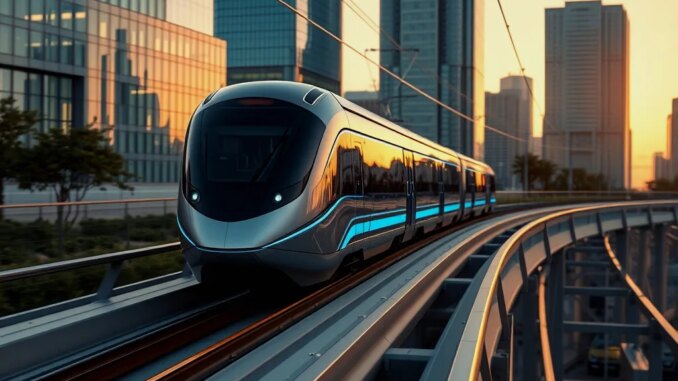
The Ballard Link aims to connect dense neighborhoods like Chinatown-International District with the rapidly developing Ballard area via a high-capacity light rail. Such infrastructure promises to dramatically reduce traffic congestion, lower greenhouse gas emissions, and promote sustainable urban growth. Moreover, it provides vital access to economic centers, making transit a cornerstone of Seattle’s long-term urban planning strategy.
The Escalating Costs and Their Origins
Over the past few years, the projected costs for the BLE have skyrocketed due to several key factors:
- Inflationary pressures: Global inflation has driven up prices for construction materials, labor, and technology components, significantly impacting project budgets.
- Supply chain disruptions: COVID-19 pandemic-related delays have led to shortages and increased costs for critical construction supplies.
- Regulatory and environmental compliance: Stricter standards have extended timelines and added expenses, especially around environmental mitigation and community engagement.
These combined factors have created a budget shortfall of approximately $34.5 billion, forcing Sound Transit to reconsider the project scope and timeline.
Sound Transit’s Response: Rethinking the Project Scope
In response, Sound Transit is actively exploring multiple cost-saving measures to keep the project alive. These include:
- Reducing the scope: Analyzing the possibility of cutting certain extensions or halting trains at key junctions before reaching full destination points.
- Investing in alternative technologies: Considering less expensive construction methods or materials that maintain safety and efficiency.
- Seeking additional funding: Pushing for increased government subsidies or public-private partnerships to bridge the financial gap.
Of particular concern is the potential decision to stop trains in Ballard before reaching the core neighborhood, a move that could diminish the project’s overall efficacy and long-term benefits.
The Political and Community Impact
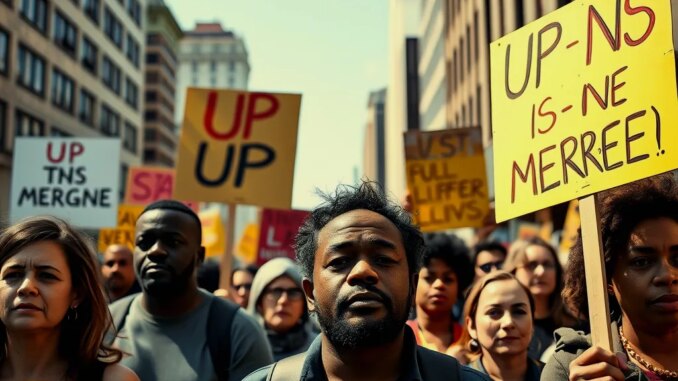
This financial crisis has sparked widespread debate among community stakeholders, politicians, and transit advocates. Residents of Ballard and Chinatown-International District express frustration over the possibility of a truncated project, fearing that disrupted service will hinder economic growth and urban mobility.
The local government faces mounting pressure to prioritize transparency and secure additional funding sources. Meanwhile, community groups are rallying for a comprehensive solution that balances fiscal responsibility with the transportation needs of Seattle’s diverse neighborhoods.
Strategic Alternatives and Future Outlook
To avoid derailment, Sound Transit is considering several strategic approaches:
- Phased development: Implementing the project in stages to improve cash flow and stakeholder confidence.
- Enhanced regional collaboration: Partnering with neighboring jurisdictions to share costs and benefits.
- Innovative financing mechanisms: Exploring revenue bonds, special taxes, or transit-oriented development fees.
The ultimate goal remains clear: ensure that the Ballard Link Extension becomes a reality that benefits Seattle’s growing population and urban landscape. However, the path forward depends on mastering fiscal discipline, community support, and innovative solutions in the face of economic hurdles.