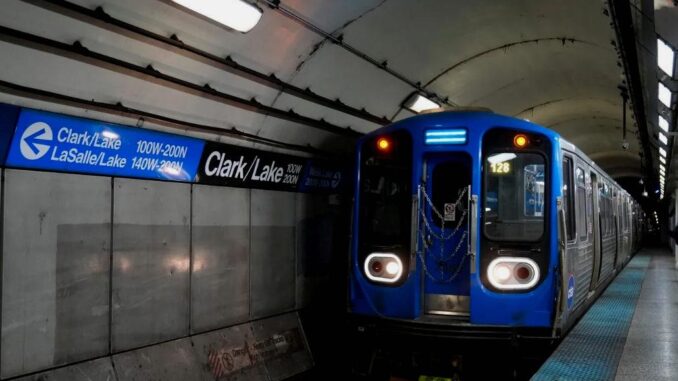
Chicago Transit Authority Takes Legal Action to Restore $2.1 Billion in Federal Funds
In a decisive move to counteract the federal government’s suspension of over $2.1 billion in transit funding, the Chicago Transit Authority (CTA) has filed a comprehensive legal lawsuit aiming to overturn the halt. This significant dispute underscores the broader conflict between municipal transit agencies and federal authorities over funding procedures, political influence, and proper regulatory compliance.
Background of the Funding Halt and Its Implications
The federal suspension of funding came amidst a broader government shutdown threat, triggered by budget disputes and legislative uncertainty. Specifically, the U.S. Department of Transportation (USDOT) and the Federal Transit Administration (FTA) unexpectedly paused the disbursement of crucial funds allocated for the Red Line Extension (RLE) and Rapid Modernization Projects (RPM). These projects represent vital infrastructure upgrades—improving service coverage, reducing congestion, and modernizing aging infrastructure—yet are now at risk due to bureaucratic delays.
Why Did the Federal Agencies Halt the Funds?
- Procedural Violations: The lawsuit claims USDOT and FTA bypassed formal review protocols, ignoring established legal and regulatory frameworks designed to ensure fair distribution of federal resources.
- Partisan Politics: CTA alleges that the suspension reflects political motives, particularly targeting initiatives managed by Democratic-led local governments.
- Compliance Concerns: There are accusations that the projects did not fully satisfy certain federal compliance requirements, although CTA asserts full adherence to all conditions.
Legal Strategy and Arguments
The CTA’s legal team argues that the federal agencies have violated administrative procedures and overstepped their authority by suspending funds without proper hearings or notice. The lawsuit emphasizes that the funding suspension undermines contractual commitments and violates federal laws governing transit development. The CTA also points out that their projects have already demonstrated compliance with all federal oversight requirements and that abrupt halts damage long-term urban planning efforts.
Broader Political and Economic Context
This case fits within a larger trend where local and state governments confront federal agencies over budget disputes, especially amid polarized political climates. The ongoing conflict highlights how federal transit funding, which accounts for a significant portion of urban infrastructure projects, becomes a battleground for broader policy disagreements.
Moreover, the economic impact of such disputes is profound. Delays in the RLE and RPM projects could mean:
- Prolonged construction timelines and increased costs
- Reduced service quality and limited access for underserved neighborhoods
- Loss of thousands of jobs linked to ongoing and planned construction efforts
Impact on Local Communities and Transit Riders
The disruption of federal funding damages the very communities CTA aims to serve. The Red Line Extension, for instance, is crucial in connecting the city’s southern neighborhoods to downtown, promoting economic growth and social equity. Without the promised modernization, transit services may suffer from worsening congestion, outdated infrastructure, and increased commute times.
Many residents and local leaders view this lawsuit as a pivotal step toward safeguarding essential transit investments and preventing the strategic setbacks caused by political standoffs. Ensuring the continuation of these projects not only enhances mobility but also promotes economic vitality and environmental sustainability.
Legal Perspectives and Possible Outcomes
Experts suggest that the lawsuit could set a precedent for federal-local funding disputes, emphasizing due process in funding decisions. The court’s ruling could affirm or challenge the administration’s authority to suspend funds unilaterally.
Possible outcomes include:
- Reinstatement of funds: Court mandates Federal agencies to release the suspended monies, allowing projects to proceed without delay.
- Legal affirmation of suspension: The federal agencies retain the right to halt funding under specific legal provisions, possibly leading to new regulations or oversight mechanisms.
- Negotiated settlement: CTA and federal agencies reach an agreement addressing compliance concerns and establishing clearer procedures for future funding decisions.
What This Means for Transit Planning Moving Forward
This legal battle demonstrates the importance of transparent regulatory processes and intergovernmental cooperation in managing federal transit funds. For transit authorities nationwide, the outcome could impact how they approach compliance, reporting, and lobbying for federal support.
The case also highlights the necessity for robust legal frameworks that protect local agencies from politically motivated funding suspensions, ensuring sustainable urban transit development, especially as cities face increasing transportation demands.
Conclusion
The CTA’s lawsuit signifies a critical fight to uphold urban transit development at a time of heightened political tension. Ensuring the immediate release of $2.1 billion in federal funds is essential, not just for Chicago’s infrastructure modernization but also as a test case for how federal and local authorities cooperate amid partisan disputes. As proceedings unfold, stakeholders and residents eagerly await a resolution that prioritizes effective transit solutions and long-term urban mobility goals without undue political interference.