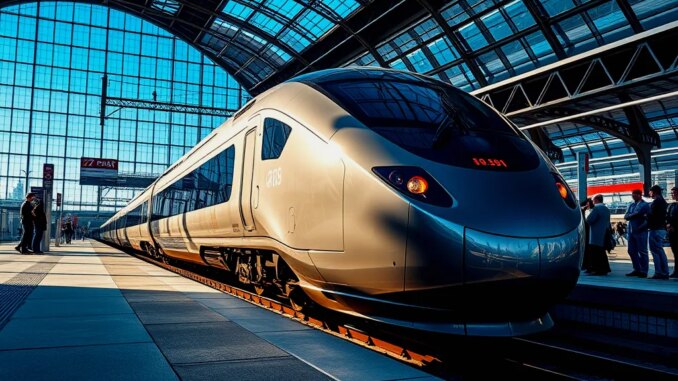
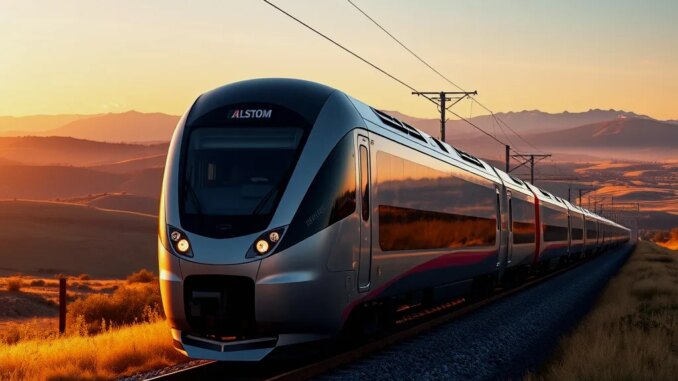
Revolutionizing Regional Rail Travel: The Mardi Gras Seashore Express
In a stunning turn of events, Amtrak’s Mardi Gras service connecting New Orleans and Mobile has shattered industry expectations within just seven months of launching. After two decades of silence on this vital corridor, the restored service has catapulted regional tourism and transportation into a new era of growth and community engagement. Let’s delve into how this initiative exceeds forecasts and reshapes the future of rail travel in the Gulf Coast.
Impressive Ridership Surge: Surpassing All Expectations
Before the inaugural run of the Mardi Gras train, experts anticipated modest numbers—around 71,000 passengers in the first year. Yet, early data demonstrates a far more vigorous demand. As of six months post-launch, the service has already carried over 80,000 passengers, indicating a remarkable monthly average exceeding 13,000. This rapid adoption underscores the regional desire for efficient, scenic, and nostalgic travel options that reconnect communities separated by hundreds of miles of coastline and swamps.
Furthermore, the sustained ridership numbers throughout the first half-year, despite minor seasonal fluctuations, suggest strong repeat customer interest. Daily ridership hovers around 300+ passengers, confirming that this service is no passing trend but a pivotal transportation solution that fills an essential gap in the Gulf Coast’s infrastructure.
Passenger Experience: A Nostalgic Yet Modern Journey
Many riders describe their experience aboard the Mardi Gras train as transformative. For some travelers, it’s a revival of cherished childhood memories from the 1960s and 1970s rail trips. Others appreciate how the train seamlessly combines modern comforts with historic charm. Amenities such as spacious reclining seats, onboard Wi-Fi, and scenic observation cars create an inviting atmosphere for leisure travelers and commuters alike.
Highlighting service quality, passengers frequently remark on friendly staff, punctual departures, and convenient schedules. The route’s strategic timing—as early as 7:35 AM and as late as 5:35 PM—maximizes accessibility for work commutes, weekend getaways, and special events like Mardi Gras festivals, further boosting its appeal.
Strategic Impact on Regional Development
This train route is more than a transportation upgrade; it acts as a catalyst for economic revitalization. Local businesses, hotels, and restaurants directly benefit from increased foot traffic driven by the train. Small towns along the corridor, such as Bay Saint Louis and Mobile, experience newfound visibility and tourism influx.
With the Gulf Coast facing platformed growth, the Mardi Gras route embodies actionable progress in regional cooperation. The collaboration between Amtrak and local authorities fast-tracks infrastructure improvements, including new stations, improved signage, and enhanced safety measures, laying a foundation for sustainable expansion.
How the Mardi Gras Service Outperforms Conventional Expectations
- Ridership Numbers: Double initial projections within six months.
- Community Engagement: High renewal rates and positive feedback demonstrate a deep connection with local residents and visitors.
- Economic Contributions: Estimated to generate millions annually through increased tourism and local commerce.
- Sustainability: The route uses fuel-efficient trains, reducing carbon footprint while boosting regional resilience.
Step-by-Step: What Makes the Mardi Gras Route a Success?
- Restoration and Upgrades: Infrastructure investments rejuvenate neglected rail corridors, making travel safer and more comfortable.
- Targeted Scheduling: Timed to match regional event calendars, enabling travelers to attend festivals and cultural events without hassle.
- Community Outreach: Extensive marketing campaigns, local partnerships, and special promotions increase awareness and ridership.
- Operational Excellence: Maintaining punctuality and high service standards cements passenger loyalty.
Why This Model Could Shape the Future of Regional Rail
The success story of the Mardi Gras train serves as a blueprint for other underserved corridors nationwide. Its blend of nostalgia, modern convenience, and regional collaboration demonstrates a formula with high social, economic, and environmental returns. Transit agencies and local governments can replicate this approach for similar projects, emphasizing community-driven development and sustainable growth.
Conclusion: The Gulf Coast’s New Lifeline
Amtrak’s Mardi Gras service has not only surpassed ridership expectations but has also revitalized a historical corridor that connects vibrant communities. By combining innovative operations with deep community engagement and strategic planning, this route stands as a testament to what regional rail services can achieve in the 21st century. As demand continues to grow, stakeholders across the Gulf Coast must seize this momentum to expand and enhance this vital transportation artery—fueling economic development, tourism, and regional pride for decades to come.