Revolutionizing Our Understanding of Pirates in the Caribbean
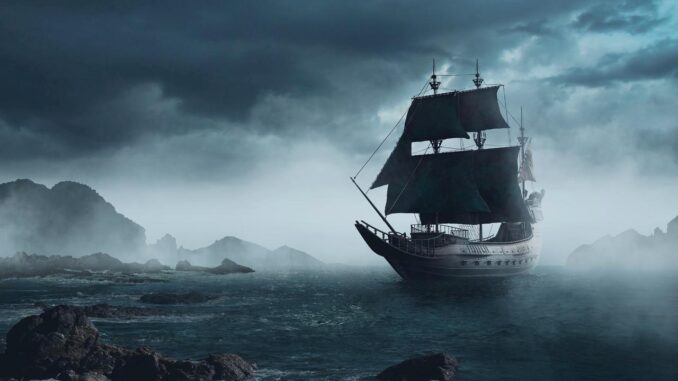
The lore of fantasy sea pirates has long enchanted popular culture, but recent discoveries have propelled this myth into concrete history. In the warm, treacherous waters of the Bahamas, archaeologists have uncovered six historic shipwrecks, offering unprecedented insights into the tumultuous era of piracy between 1680 and 1720. These findings challenge traditional narratives and open new chapters in understanding the Caribbean’s maritime past.
The Significance of the Nassau Shipwrecks
Each wreck discovered near Nassau, the notorious pirate haven, unravels the stories behind the pirate economy, naval warfare, and treasure haulings that defined the age. Notably, three of these vessels date back to the peak of piracy, illustrating the intense maritime conflicts and clandestine looting that characterized this infamous period. These shipwrecks serve as underwater archaeological time capsules, meticulously preserved beneath layers of salt and sand.
What the Wrecks Reveal About Pirate Life
- Weaponry and Defense Strategies: The wrecks reveal sophisticated defenses, including cannonballs, firearms, and dungeon-style structural elements designed to ward off rival pirates or naval forces.
- Cargo and Loot: Cargo manifests frequently include precious metals, spices, and luxury goods, indicating the wealth accumulated through illegal trade and raiding. In some cases, ships carried unmarked chests containing gold coins, confirming theories about secret treasure caches.
- Ship Construction and Modification: Evidence of hastily repaired sails, reinforced hulls, and makeshift weapon mounts suggest pirates adapted quickly to combat situations, showcasing innovative craftsmanship under pressure.
Total Destruction and the Tactics Behind It
Many wrecks exhibit signs of violent destruction, notably scorched remains and impact marks in the timber. Experts explain that pirates often employed fire as a weapon to eliminate evidence or to scare off pursuers. The wrecks, such as the ship found within Nassau’s harbor, demonstrate targeted destruction—like a tactic to deceive or evade authorities.
Strategic Locations and Ship Pauperization
The discovery of a single-mast pirate vessel 35 kilometers east of Nassau underscores how pirates exploited hidden bays and shallows to stage attacks or evade capture. The vessel’s severely damaged state, with artillery shells and kegs of gunpowder, indicates a fierce battle, probably with a navy attempting to suppress piracy. Meanwhile, the sunk luxury ship laden with British era artifacts offers a glimpse into the transatlantic trade that helped fund piracy’s rise and eventual decline.
The Wealth Transfer and Economic Impact
These wrecks reveal that piracy significantly impacted the region’s economy, providing wealth to local outlaws and disrupting colonial commerce. The presence of British-produced goods, including tobacco pipes and wine bottles, indicates that pirates targeted merchant ships laden with valuable cargo destined for Europe. This trade disruption, in turn, prompted colonial powers to tighten naval patrols, eventually leading to the decline of the Golden Age of Piracy.
The Battle for Control: Naval vs. Pirate Strategies
Analysis of these shipwrecks reveals a constant game of cat-and-mouse, with pirates employing hit-and-run tactics, exploiting their knowledge of the local geography. Conversely, naval patrols attempted to block access to key ports like Nassau, but pirates’ clever use of hidden coves and rapid escape routes frequently thwarted these efforts. The wrecks serve as enduring evidence of this ongoing struggle for supremacy on the high seas.
Implications for Modern Maritime Archeology
The recent discoveries underscore the importance of modern technology such as sonar mapping, submersible ROVs, and carbon dating in locating and preserving these underwater sites. With thousands of shipwrecks estimated to lie undiscovered, ongoing exploration promises to unearth more secrets behind piracy’s shadowy past. These efforts not only illuminate history but also contribute to marine conservation and cultural heritage preservation.
Conclusion
The modern-day revelations about Caribbean pirate wrecks fundamentally alter how we perceive this romanticized era. As archaeologists piece together the puzzle, the once mythical pirate legends gain solid footing in history, uncovering the battle tactics, wealth, and life on the high seas that defined piracy at its peak. These discoveries remind us that beneath the waves lie stories of violence, cunning, and survival, waiting for brave explorers to unveil—transforming folklore into factual history.