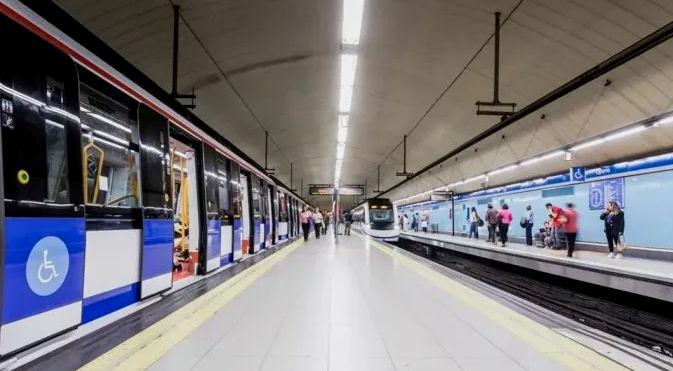
Madrid Metro Boosts Passenger Comfort with New Cooling Initiatives Amid Rising Temperatures
The Madrid Metro system is taking decisive action to enhance comfort for commuters during increasingly hot summers by installing advanced cooling units across key stations on lines 1 and 5. This strategic move aims to mitigate the effects of record-breaking heatwaves, which have become more frequent and intense due to climate change, ensuring a safer and more comfortable journey for millions of daily passengers.
Why the Madrid Metro Needs Improved Cooling Measures
Recent summers have seen temperature peaks surpassing 40°C (104°F), causing significant discomfort and potential health risks for transit users. The Madrid Metro, serving over 2.3 million daily riders, recognizes the urgency to adapt infrastructure accordingly. Heat can cause stations to become dangerously hot, accelerate deterioration of electronic and mechanical systems, and reduce overall passenger satisfaction.
Traditional ventilation methods no longer suffice; Hence, the Metro authorities are deploying state-of-the-art cooling units specifically at high-traffic stations to maintain optimal temperature levels.
Details of the Deployment Strategy
The project prominently features the installation of air conditioning units at 20 critical stations on lines 1 and 5. These units are designed to operate seamlessly during peak temperatures, which, according to the Spanish Meteorological Agency (AEMET), typically occur between June and September, but increasingly arrive earlier due to climate variations.
The cooling units work between 11:30 AM and 9:30 PM, aligning with periods of maximum heat exposure. They are activated automatically when outdoor temperatures exceed 30°C (86°F) or when AEMET declares a heatwave alert. This ensures that cooling is responsive to real-time conditions, providing immediate relief.
Specific Stations Equipped with Cooling Units
| Line 1 Stations | Line 5 Stations |
|---|---|
| Sol, Chamartín, Alvarado, Iglesia, Argüelles, Estación del Arte, Atocha, Puente de Vallecas, Buenos Aires, Alto del Arenal | Callao, Alonso Martínez, Gran Vía, Chueca, Ópera, Diego de León, Núniez de Balboa, La Latina, Puerta de Toledo, Acacias |
Across these stations, a total of 40 cooling units will operate, effectively covering the most crowded and sensitive areas of Madrid’s metro network. This targeted approach ensures both efficiency and manageability, avoiding unnecessary energy consumption in less affected zones.
Supplementary Measures: Enhanced Maintenance and Automatic Controls
In addition to installing cooling units, flooring and mechanical systems undergo rigorous maintenance checks. The Madrid Metro commits to regular inspections and rapid response protocols in case of system failures. If a unit malfunctions, crews are prepared to address issues quickly, typically within a 24-hour window, preventing prolonged discomfort.
Furthermore, automatic door controls on trains will be temporarily disabled during heat waves. This encourages automatic operation, reducing cold air escapes, thereby maintaining cooler temperatures inside the train cabins and stations for longer periods.
Impacts on Passenger Experience and System Reliability
This comprehensive cooling initiative is more than comfort; It directly impacts system reliability. Elevated temperatures can accelerate wear and tear on train electronics and infrastructure, increasing maintenance costs and downtime. By controlling ambient heat, Madrid Metro extends the lifespan of its equipment and ensures more reliable service even during extreme weather conditions.
Passengers also benefit from a more pleasant environment, which can reduce stress and fatigue, especially during the hottest months. Accessibility improves as well, since heat-related health risks decrease among vulnerable populations such as the elderly and those with health conditions.
Why This Model Sets a Precedent in Urban Transit
While many transit systems globally still rely on basic ventilation, Madrid’s proactive deployment of dedicated cooling units exemplifies innovation driven by climate adaptation. Cities facing similar heat challenges can learn from Madrid’s approach, customizing cooling strategies based on station congestion, existing infrastructure, and environmental conditions.
This initiative demonstrates how cities can employ smart, automated climate controls to improve urban living spaces, turning passive infrastructure into actively climate-resilient systems.