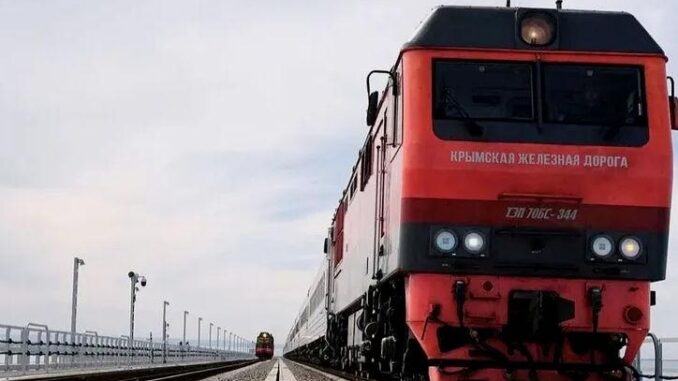
In the midst of escalating tensions in Crimea, Ukrainian *unmanned aerial vehicles (UAVs)*, commonly known as *drones*, have executed a series of targeted strikes that have profoundly disrupted the region’s logistical and military infrastructure. These operations send a clear message about Ukraine’s evolving drone warfare capabilities and its direct impact on Russian-occupied territories. Targeting Critical Infrastructure and military assets underscores Ukraine’s strategic shift in warfare—leveraging precision drone strikes to weaken enemy logistics and command centers without risking frontline troops. Recent strikes hit airports, fuel depots, and key railway nodes, crippling the flow of supplies into Crimea. ## Ukraine’s Drone Operations: A Tactical Overview Technological Precision: Ukrainian drone technology has advanced significantly, employing *high-altitude, long-endurance UAVs* equipped with *smart munitions* capable of targeting both stationary and moving targets with remarkable accuracy. Operational Tactics: By conducting *simultaneous strikes* on multiple targets—including military airports, fuel warehouses, and railway infrastructure—Ukraine aims to disperse Russian logistical efforts and create chaos that impairs operational mobility. Impact on Russian Logistics The recent drone assaults have caused immediate, tangible disruptions across Crimea’s logistics network: – Railway Blockades: *Multiple passenger trains* were canceled after a locomotive was destroyed during a drone attack near Simferopol, halting all scheduled train services in the region. Passengers faced delays ranging from several hours to days, as authorities scrambled to organize alternative transportation. – Fuel and Depot Explosions: Key fuel depots and chemical storage facilities caught fire following targeted drone strikes, leading to significant shortages and safety hazards. – Military Airfield Attacks: Strategic airbases, such as those in Saki (Stratigic Air Base) and Sevastopol, experienced intense explosions and fires, destroying aircraft, ammunition stockpiles, and radar systems. ## The Significance of Crimea’s Infrastructure Failures Why does disrupting railways, fuel depots, and airbases matter so much? – Supply Chain Sabotage: Russia depends on Crimea’s logistical network for *fuel, armament, and troop movements*. Disabling these assets directly limits their operational reach. – Strategic Retreat Difficulties: With transport and fuel logistics compromised, Russian forces face increased difficulty sustaining their presence, leading to tactical disadvantages. – Rising Morale for Ukraine: These successful drone attacks bolster Ukrainian morale and demonstrate that air superiority and precision strike capabilities can challenge even heavily fortified Russian positions. ## How Ukrainian Drones Achieve Such Precision Ukrainian authorities and military analysts emphasize several key factors: – Advanced Reconnaissance: Use of *recon drones* to gather real-time intelligence, allowing *strike drones* to precisely locate targets under cover of darkness or bad weather. – Electronic Warfare: Disrupting *Russian radar and communication systems* to gain an aerial advantage. – Stealth and Maneuvering: Operating at high altitudes to evade radar detection and use *stealth technology* to approach targets undetected. ## Russian Response and Defensive Measures In response, Russia has intensified its air defense systems and increased electronic countermeasures to intercept Ukrainian drones. Despite these efforts, Ukrainian *drone attacks* have persistently found vulnerabilities, especially in less defended areas or newly emerged weak points. – Counter-drone systems such as Electronic Warfare (EW) platforms and point-defense missile systems are being deployed more aggressively. – Preventive air strikes and recon sweeps aim to preempt drone launch sites. ## Future Outlook: A New Era in Hybrid Warfare The ongoing drone campaign signifies a paradigm shift in modern warfare, emphasizing asymmetric tactics that allow smaller, technologically advanced forces to challenge larger, traditional armies. Implications for Crimea and Beyond: – The success of Ukrainian drone operations could force Russia to reevaluate security protocols in Crimea, potentially increasing military expenditures. – Ukraine’s demonstrated *drone warfare* potential might inspire similar tactics in other conflict zones. Key Takeaways: – Continuous drone assaults will likely cause prolonged disruptions in Crimea’s logistics. – Successful targeting of critical infrastructure emphasizes the importance of integrated defense systems. – The evolving drone technology underscores a shift towards *smarter, more precise, and autonomous* warfare. Understanding this emerging threat landscape is vital for policymakers, military strategists, and analysts who track the shifting dynamics of modern conflicts. The resilience of Ukrainian drone operations proves that technological innovation remains a decisive factor in contemporary warfare, capable of turning the tide against even well-fortified adversaries.