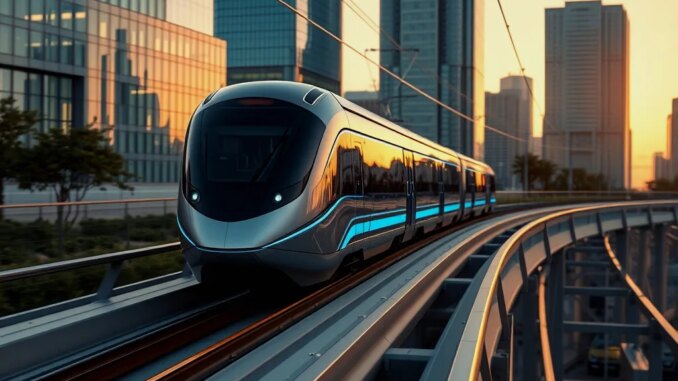
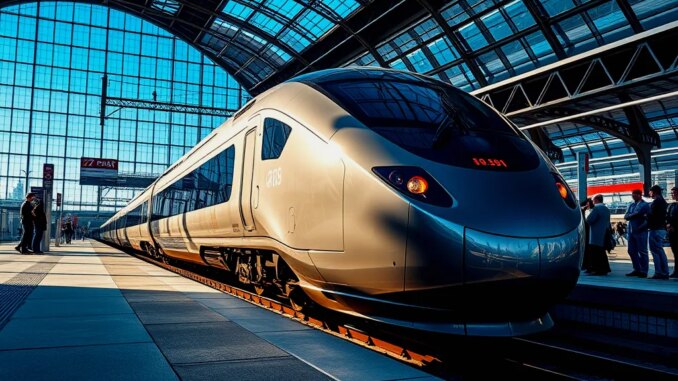
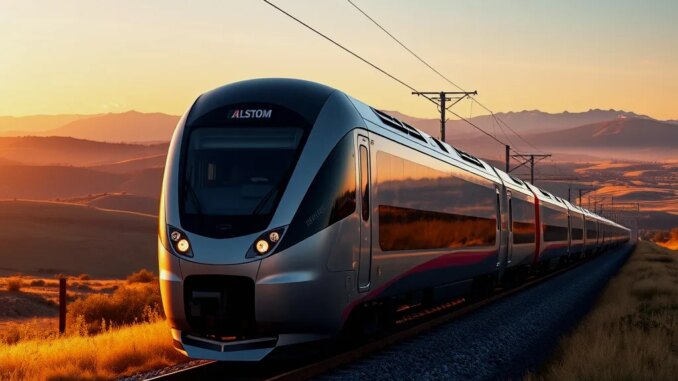
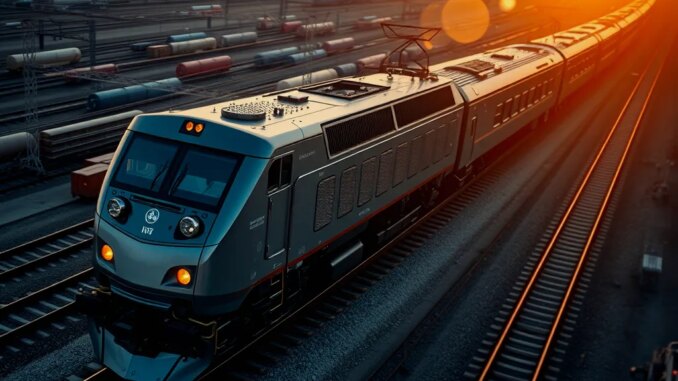
Madrid has taken a bold leap forward in urban transportation by activating its first driverless train on Line 6, signaling a new era of automation and efficiency. This innovative move is not just a technological upgrade but a comprehensive overhaul designed to ensure faster, safer, and more reliable metro services for millions of daily commuters. ## How Madrid’s Automated Metro Line Redefines Urban Transit Madrid’s Metro Line 6, already a vital artery carrying over 400,000 passengers daily, now boasts state-of-the-art driverless trains produced by CAF, a leader in rail manufacturing. These trains are not just upgrades; They represent a significant shift toward fully autonomous operation—no drivers needed, yet monitored closely through sophisticated control systems. This transition enhances operational safety, reduces human error, and allows for increased train frequency, thereby decreasing wait times. The integration of driverless technology involves intricate planning, including upgrading existing infrastructure and implementing advanced signaling systems. The entire process underscores Madrid’s commitment to modernizing its transit network, aiming for complete automation across key lines. This strategic move also aligns with global smart city trends, positioning Madrid as a pioneer in urban transit innovation. ## Why Madrid is Accelerating Digital Transformation in Metro Services Automation offers compelling benefits: – Enhanced Safety: Automated trains minimize accidents caused by human error. – Higher Frequencies: With no driver constraints, trains can run every two minutes during peak hours. – Energy Efficiency: New trains consume approximately 20% less energy, thanks to advanced propulsion and control systems. – Operational Reliability: Constant monitoring and real-time diagnostics optimize maintenance cycles and prevent delays. Madri!d’s adoption of driverless trains exemplifies how cities can leverage technology to meet escalating urban population demands while maintaining sustainability and safety. ## The New CAF 10000 Series Trains: Features and Innovations Madrid’s new fleet of CAF 10000 Series trains stands at the forefront of this transformation. These trains combine high-capacity design with cutting-edge technology: | Feature | Description | |———|————–| | Length | Over 109 meters, accommodating up to 1,385 passengers | | Car Composition | Six interconnected carriages for seamless passenger flow | | Seating | 165 comfortable seats; increased capacity by 17% over older models | | Doors | Wide, automated doors for swift boarding and lighting | | Accessibility | Includes dedicated spaces for wheelchairs, strollers, and mobility-impaired passengers | | Interior | Modern lighting, climate control, real-time information screens | | Energy | 20% less energy consumption thanks to efficient systems | These trains are not only larger and more efficient but also equipped with advanced safety features, including automatic braking systems and state-of-the-art surveillance to ensure passenger security. ## Transitioning to Fully Automated Operations: Infrastructure Upgrades The automation journey commands a complete overhaul of Madrid’s metro infrastructure. This includes installing platform screen doors at 28 stations, aligning with the new train technology to create synchronized safety barriers. These barriers prevent accidental falls and intrusions, maintaining a secure boarding environment. Additional upgrades involve upgrading signaling and communication systems to support GoA 4 (Grade of Automation 4), the highest automation level that allows trains to operate without human intervention. Furthermore, a control center monitors all operations, able to intervene instantly in case of anomalies. This centralized system enhances overall safety, efficiency, and transparency. ## Implementing Nighttime Testing and Safety Protocols Before full deployment, intensive nighttime testing validates every system. These tests verify the compatibility of trains with existing infrastructure, including braking systems, signaling, and safety protocols. During these trials, trains run on automated routes under real-world conditions to iron out potential issues. Madrid’s focus on thorough testing demonstrates a serious commitment to safety and operational excellence. Every system, sensor, and interface undergoes rigorous scrutiny to ensure flawless performance in live conditions. ## Impact on Passengers and City Life Automating the Madrid metro line transforms daily commutes dramatically: – Reduced Wait Times: Higher frequency trains decrease congestion. – Enhanced Comfort: Improved interiors and climate controls offer a better travel experience. – Improved Accessibility: Additional inclusive features cater to all users. – Environmental Benefits: Lower energy use promotes sustainability and reduces operational costs. Furthermore, the project stimulates local employment through infrastructure upgrades, technology installations, and ongoing maintenance required for the new systems. ## Future Outlook and Expansion Plans Madrid envisions extending automation to other lines, making the entire metro network smarter, safer, and more sustainable. The initial success of Line 6 paves the way for similar upgrades on Lines 10 and 11, with plans to introduce more driverless trains by 2027. The city’s investment, estimated at over 168 million euros, reflects its strategic aim to modernize public transportation comprehensively. As the system evolves, Madrid commits to continuous improvements including real-time passenger information, emergency response systems, and AI-powered predictive maintenance. ## Conclusion Madrid’s leap into driverless metro technology signifies a monumental step toward shaping the future of urban transit. By combining advanced train technology, infrastructure improvements, and rigorous safety protocols, the city sets a new standard for metropolitan rapid transit—delivering smarter, safer, and more efficient journeys for its residents and visitors alike. ## FAQ Q: When will Madrid’s fully automated metro line become operational for the public? A: The new driverless trains are scheduled to carry passengers starting in 2027, following extensive testing and infrastructure completion. Q: How do platform screen doors enhance safety? A: They act as physical barriers, preventing accidental falls and unauthorized access to tracks, especially crucial for automated trains. Q: What are the main advantages of driverless trains over traditional ones? A: Increased safety, higher frequency of service, energy savings, and reduced operational costs. Q: Will the automation lead to job losses among metro staff? A: While some roles may change, automation primarily shifts focus toward oversight, maintenance, and customer service, creating new opportunities. Q: Are these upgrades environmentally sustainable? A: Yes, the new trains consume approximately 20% less energy, contributing to Madrid’s sustainability goals. This comprehensive transformation underscores Madrid’s commitment to leading in urban mobility innovation, ensuring it remains a model city for modern transportation systems.