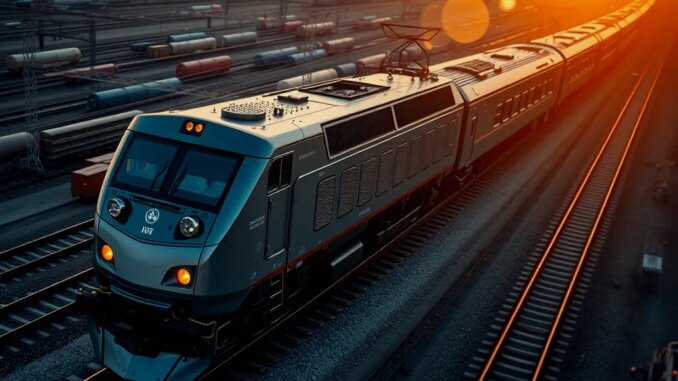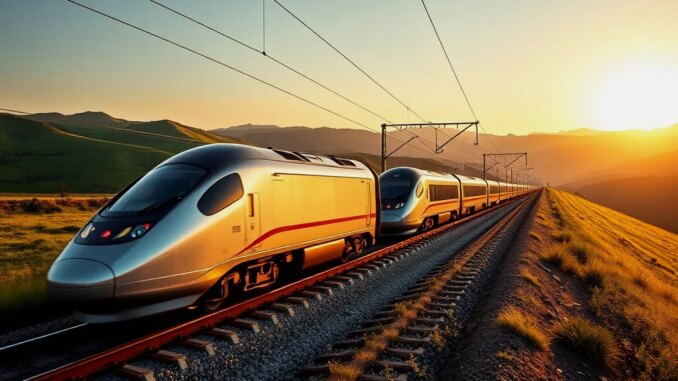
Italy’s iconic Florence-Rome high-speed rail line is back in action, after a near-three-week shutdown that left travelers searching for alternatives. This critical route, which connects two of Italy’s most historic cities, resumed service with major upgrades targeting infrastructure resilience and operational efficiency. The reopening signifies a strategic push to boost regional connectivity, attract more passengers, and ensure safety standards surpass previous benchmarks. Understanding the Scope of the Renovation The two-week maintenance initiative focused on both high-speed and traditional rail lines running between Chiusi and Orvieto. These segments form the backbone of Italy’s busiest east-west corridor. The upgrade project involved patching up aging infrastructure, deploying advanced monitoring systems, and optimizing track alignment for smoother, safer rides. The investments tallied approximately 5 million Euros, allocated to four key areas: – Renovation of the Fabro Tunnel, a critical underpass facilitating uninterrupted high-speed travel. – Structural reinforcements on the Paglia Viaduct near Orvieto, addressing aging components to prevent future disruptions. – Upgrades to signaling and communication systems for seamless real-time control. – General track maintenance to improve ride quality and reduce maintenance costs. Why These Improvements Matter Improved infrastructure not only improves safety but also maximizes efficiency. By investing in the Fabro Tunnel and the Paglia Viaduct, Italy ensures that high speeds are maintained without risking structural failure. This preemptive strategy minimizes future disruptions, offering resilient service reliability. Furthermore, upgrading signaling and communication systems aligns Italy’s rail network with European Union standards, allowing for greater interoperability with neighboring countries’ rail systems. This is vital as Italy aims to expand international rail travel options. Implementation Strategy and Phased Resumption The resumption process follows a meticulously planned phased approach: – Initial Operation (Aug 29–31): Trains operate at reduced speeds, primarily to test new infrastructure enhancements and gather data on operational stability. – Gradual Speed Increase: Over the following weeks, authorities incrementally boost train speeds to pre-maintenance levels. – Complete Restoral: Expect full-speed, regular service by early September, once safety checks and system calibrations complete. This strategy minimizes risk while ensuring a swift return to normalcy. It also provides valuable insights to engineers and operators, enabling immediate corrective measures if necessary. Impact on Commuters and Tourism The reopening significantly benefits daily commuters and tourists alike. Travelers now enjoy faster, more reliable service, boosting regional economic activities. *Daily Commuters*: Reduced delays and increased safety make daily travel more predictable and less stressful. *Tourists*: Prompt, comfortable journeys from Florence to Rome facilitate better sightseeing plans, supporting local tourism industries. *Businesses*: Improved logistics and supply chain efficiency empower regional businesses to operate more competitively. Future Outlook and Sustainable Development Italy’s commitment to modern, sustainable rail infrastructure continues with plans to incorporate eco-friendly technologies, such as solar-powered signaling stations and energy-efficient train fleets. The recent upgrades serve as a foundation for future innovations that further reduce carbon footprints and promote green travel. Why This Matters Globally Italy’s approach exemplifies how strategic infrastructure investments can turn temporary disruptions into opportunities for long-term gains. As more countries revert to rail, emphasizing safety, efficiency, and sustainability, Italy’s successful upgrade can serve as a blueprint for international standards. The ongoing improvements also underscore the importance of proactive maintenance, which offers a cost-effective alternative to reactive repairs, minimizing downtime and passenger inconvenience. Conclusion The Florence-Rome high-speed rail line’s comeback underscores Italy’s dedication to maintaining world-class rail standards. By upgrading critical infrastructure, Italy not only secures safer and faster travel but also strengthens its position in European transportation networks. Travelers can now look forward to seamless journeys, and the country’s regional economy stands to benefit immensely. FAQs Q1: How long did the Florence-Rome high-speed line remain closed? A1: The line was closed for roughly three weeks, from mid-August to late August, primarily due to extensive infrastructure upgrades. Q2: What specific improvements were made during the maintenance? A2: Improvements included tunnel and viaduct renovations, track alignment adjustments, signaling system upgrades, and comprehensive safety checks. Q3: When will the train speeds normalize after the upgrade? A3: Speed normalization is planned for early September, following phased testing and safety validations. Q4: How has the upgrade impacted travel time between Florence and Rome? A4: Initially, travel times may be slightly longer due to cautious speed adjustments, but they will return to pre-maintenance durations once full safety approval is obtained. Q5: Will there be ongoing maintenance post-repair? A5: Yes, continuous maintenance protocols are in place to ensure infrastructure longevity and prevent future disruptions.