In-Depth Analysis of Ukraine’s Operations with Unmanned Naval Vehicles in the Black Sea
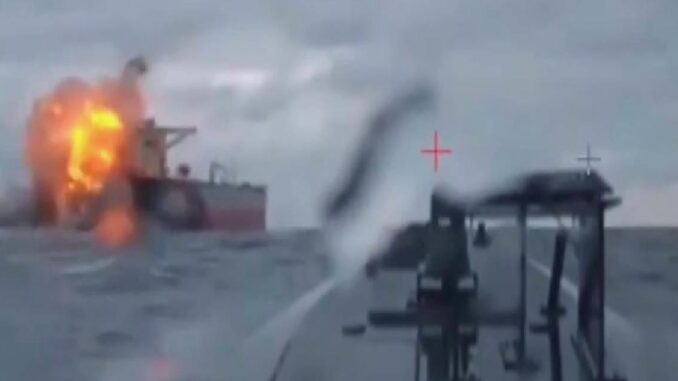
In recent years, one of the developments that has gained prominence on the international security stage is Ukraine’s use of unmanned naval vehicles to carry out attack attempts in the Black Sea. This intervention not only threatens regional stability but also represents an important step toward influencing global power balances. Ukraine’s operation is the most current example of fundamental changes in military strategies and technological innovations.
Strategic Concerns of Major Powers and Regional Impacts
The Black Sea is situated in a geopolitically critical position, and the regional power balances create a continuous environment of tension on the international stage. While Russia has been trying to strengthen its dominance in the region for a long time, the attacks conducted by Ukraine using unmanned naval vehicles cause disruptions and uncertainties in Moscow’s strategic plans. These assaults directly impact Russia’s energy transportation and war strategies, reshaping regional power dynamics.
Especially, the large damage to oil tankers resulting from these attacks threatens energy security and destabilizes the economic and military balance in the region. This development necessitates other regional countries to revamp their defense measures and maritime security policies, thus initiating a new era aimed at regional stability.
The Current and Future Role of Unmanned Naval Vehicles
Unmanned naval vehicles have emerged as one of the new elements challenging the battlefield today. These technologies stand out with their low operational costs, risk minimization, and high precision and speed. The effective use of these vehicles in Ukraine’s attack demonstrates the new paradigm of modern warfare and technological superiority.
Unmanned naval vehicles not only make military operations more effective but also revolutionize cybersecurity, intelligence, and reconnaissance fields. The increasing autonomy of these systems offers a strategic advantage on the battlefield while limiting the opponent’s ability to respond decisively and swiftly. These developments are transforming the structure of naval warfare fundamentally and taking the international security environment to a new phase.
Power Dynamics in the Black Sea and the Role of Multinational Powers
The Black Sea region is used like a chessboard by regional powers and international actors, posing serious risks to stability and security. International actors holding power, such as NATO and the USA, are increasing their military presence in the region and leading the development of unmanned naval vehicles. The presence and strategic moves of these powers trigger other states in the region to strengthen their defense structures and invest in new technologies.
Especially, regular NATO exercises and technological collaborations in the region increase deterrence and play a vital role in ensuring regional stability. Ukraine’s attack with unmanned naval vehicles prompts all regional actors to develop new tactics and strengthen their defense systems. Thus, the regional balance is maintained not just through displays of force but also via joint security architectures.
Expectations for Future Naval Warfare and Technological Evolution
One of the most important factors shaping the next generation of naval warfare is the increasing use of unmanned and autonomous systems. This technological evolution makes the battlefield more complex and unpredictable, while also raising ethical and legal questions regarding warfare. Ukraine’s attack in the Black Sea is a strong indicator of how deeply unmanned technologies can be integrated into warfare strategies.
With the rapid development of artificial intelligence, these systems can now make independent decisions and formulate real-time attack/defense plans. Cyberattacks, electronic warfare, and operations targeting the opponent’s technological infrastructure are becoming inseparable parts of this new universe. These dynamics are radically changing not only naval battles but also global security policies, necessitating the development of new strategies.
International Security and Strategic Perspectives
The international community is adopting a unified stance against Ukraine’s attack with unmanned naval vehicles in the Black Sea and developing new policies to preserve regional stability. Powers like the USA and NATO are strengthening their technological infrastructure and establishing joint defense mechanisms to reduce regional risks. These efforts form the foundation of not only regional but also global security architecture.
On the international stage, these events are critical turning points, guiding intercontinental naval operations and military projects. Ukraine’s attack demonstrates the evolution of modern warfare tactics and the integration of vital technologies, accelerating the development of new security strategies by global actors. In light of these developments, adopting sustainable, multidimensional approaches for regional and global peace is inevitable.