In a geopolitical climate marked by shifting alliances and increasing economic ambitions, Iran and Russia are actively forging forward with strategic projects that promise to reshape regional trade routes and energy collaborations. Recent high-level discussions between the two nations highlight an ambitious push to overhaul supply chains, enhance energy infrastructure, and deepen diplomatic ties amidst global uncertainties.
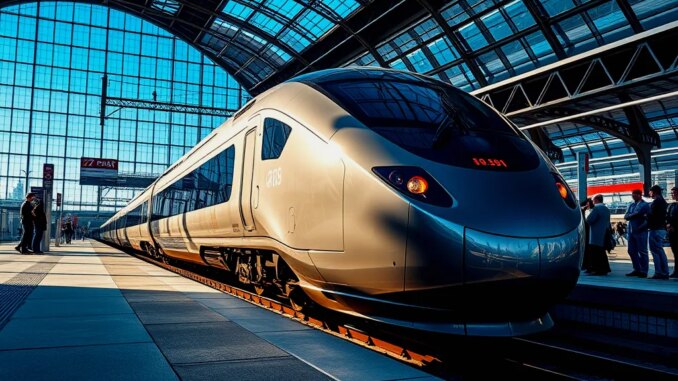
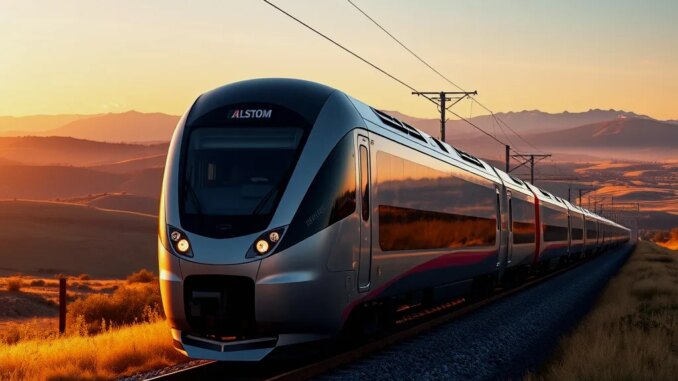
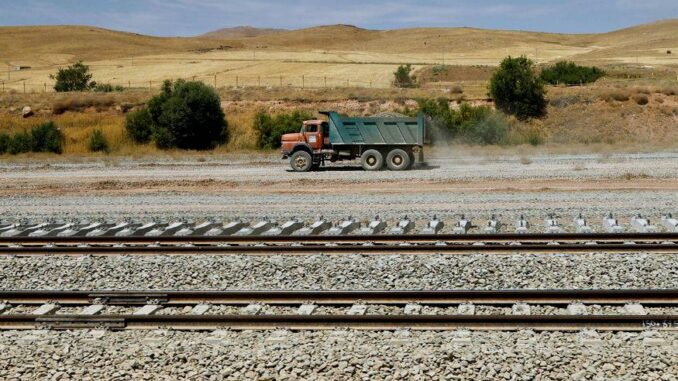
At the heart of their cooperation lies a visionary infrastructure project—the Kuzey-Güney International Transport Corridor—designed to create a seamless corridor connecting Asia to Europe via Iran and Russia. This corridor isn’t just an ordinary transportation route; it’s a pathway that threatens to upheave existing logistics paradigms by significantly reducing freight times and costs across continents. The project has reached a critical juncture with the impending finalization of the Reşt-Astara railway segment, expected to be signed by April 1, marking a pivotal milestone for regional connectivity.
Revolutionizing Eurasian Logistics
The Reşt-Astara railway line forms a backbone of the proposed Eurasian transport network, stretching approximately 7,200 kilometers to link India, Iran, Russia, and European markets. This line aims to bridge long-standing logistical gaps, offering an accelerated route that bypasses congested maritime corridors. The strategic importance of this corridor becomes clear when considering the potential benefits: sharply decreased transit times, lower transportation costs, and increased reliability for traders on all sides.
Officials from both countries affirm that most technical and political obstacles have been addressed, clearing the way for the final approval. This synchronizes with the greater goal of integrating Asian and European trade flows through Iran’s territory, which acts as a pivotal transcontinental junction. With these developments, Iran is positioning itself as a crucial transit hub for global commerce, able to leverage its geographic advantage and modernize its infrastructure accordingly.
Energy Collaboration: Renewable Power and Shared Investments
Beyond logistics, Iran and Russia are advancing their energy cooperation, focusing particularly on renewable energy projects—a sector where mutual interests are rapidly expanding. During recent diplomatic engagements, discussions centered around joint investments in solar and wind power generation, aiming to diversify energy sources and promote sustainable development.
Among the key initiatives is the planned construction of solar power plants with a minimum capacity of 100 megawatts. These projects are not only essential for Iran to meet its renewable targets but also represent an investment opportunity for Russian companies seeking to expand their footprint in the Middle East. Additionally, long-term agreements are underway for shared wind energy projects, which could establish Iran as a regional leader in clean energy production.
This energy cooperation signals a broader strategic alliance aimed at reducing dependence on fossil fuels and fostering innovation in renewable industries. Such initiatives align with global trends towards sustainability and open avenues for technological exchanges, joint ventures, and policy harmonization.
Food Security and Agricultural Trade
Another critical facet of Iran-Russia relations involves agricultural collaboration, particularly in ensuring food security amidst turbulent global markets. Russia, a major grain exporter, has been in active negotiations to increase grain shipments to Iran—an essential step in stabilizing Iran’s domestic food supply during times of international sanctions and economic volatility.
Ongoing discussions aim to establish a steady flow of grain, wheat, and other staples, with potential volumes discussed reaching significant levels. These agreements would not only bolster Iran’s food resilience but also pave the way for broader trade agreements in agricultural products, technology transfer, and irrigation systems. Both countries view this cooperation as a strategic buffer against food scarcity and a means to facilitate economic diversification.
Strategic Implications and Global Context
The concerted development of transportation corridors, renewable energy projects, and food security strategies underscores a shared ambition to challenge Western dominance and forge an independent Eurasian economic bloc. These initiatives reflect a broader geopolitical effort to diversify trade dependencies and reduce sanctions’ impact by creating alternative supply lines and energy avenues.
By advancing these projects, Iran and Russia position themselves as central players in a rapidly evolving regional landscape. The success of their cooperation could inspire similar alliances, catalyzing a wave of infrastructure and energy investments across Central Asia, the Middle East, and Eastern Europe. As global tensions escalate and supply chain vulnerabilities become more evident, these strategic partnerships exemplify proactive resilience and regional integration.