Diplomatic Deadlock in the Ukraine Conflict
As the four-year mark of Russia’s full-scale invasion of Ukraine approaches, hopes for a swift resolution fade amid persistent disagreements and ongoing violence. Recently concluded peace negotiations in Geneva, involving U.S. mediation, underscore the deepening divisions between Kyiv and Moscow. Despite intense diplomatic efforts, a tangible breakthrough remains elusive, leaving millions caught in a cycle of conflict and uncertainty.
The negotiations, held in the aftermath of high-profile visits to Abu Dhabi and other diplomatic hubs, aimed to bridge the gap between conflicting narratives and forge a path toward peace. However, both sides acknowledged the profound challenges ahead, describing the talks as “difficult” and laden with significant obstacles.
Core Issues: Land and Sovereignty
The central sticking points revolve around territorial integrity and sovereignty. Ukrainian President Volodymyr Zelenskyy remains steadfast that Kyiv will not cede any land, emphasizing the importance of reclaiming and defending its sovereignty. Conversely, Russian President Vladimir Putin insists that Ukraine must agree to a series of concessions, including the abandonment of NATO ambitions and the recognition of Russia’s annexed territories, to even entertain the possibility of peace.
This fundamental clash entrenches the geopolitical impasse, with each side viewing the other’s demands as non-negotiable. Zelenskyy’s government resists any compromise that jeopardizes Ukraine’s independence, while Moscow remains committed to asserting influence over what it considers its sphere of vital interest.
Military Dynamics and International Involvement
Despite diplomatic deadlock, military developments continue to influence the negotiations. Recent reports indicate that Ukrainian forces and their allies are exploring technical mechanisms for future ceasefires, focusing on verification and monitoring protocols. These initiatives involve discussions on deploying international observers, potentially including the United States, to oversee compliance and build confidence in eventual agreements.
Meanwhile, the U.S. and Russia maintain an active, if strained, military dialogue. While direct communication channels remain fraught with tension, there are signs that both nations recognize the necessity of re-establishing some form of military communication to prevent unintended escalations and manage ongoing hostilities.
The European Role in Mediating Peace
European nations, led by key players such as the United Kingdom, France, Germany, Italy, and Switzerland, have emphasized their critical role in facilitating peace talks. Ukrainian officials argue that continental security depends on broader European engagement, viewing their involvement as essential to achieving sustainable peace.
European diplomats participate in ongoing negotiations, seeking to balance support for Ukraine’s sovereignty with the pragmatic realities of diplomatic intervention. The consensus underscores a shared desire to prevent further escalation and promote stability across the continent.
The Realities on the Ground
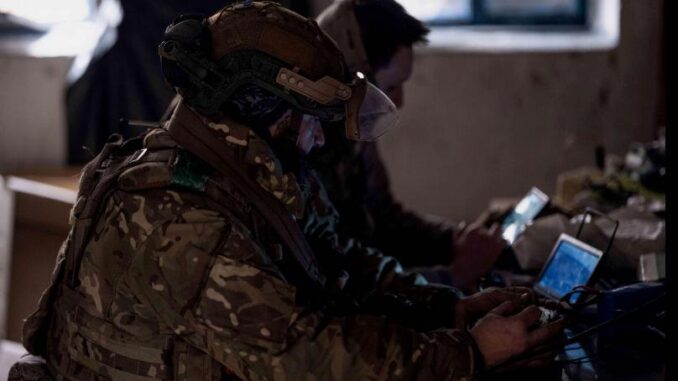
While diplomatic negotiations continue, the conflict remains fierce. On the front lines, fighting persists along an approximately 1,250-kilometer front. Ukrainian troops endure relentless artillery assaults, and civilians face increasing hardships. Recent attacks involving UAVs targeted strategic sites, including Zaporizhzhia, resulting in casualties and damage to civilian infrastructure.
The stark contrast between diplomacy and battlefield realities creates a complex environment. Civilian suffering persists, with reports of homes destroyed and populations displaced. The ongoing violence underscores the urgency of finding a sustainable political solution, even as fighting continues unabated.
The Future of Peace Efforts
Current negotiations highlight a fragile and uncertain path toward peace, with neither side willing to make significant compromises yet. The international community watches anxiously, aware that every delay prolongs human suffering. Efforts at confidence-building, including potential ceasefire monitoring and diplomatic engagement, are crucial steps forward—but the geopolitical stakes remain fiercely contested.
As each day passes, the hope for a diplomatic breakthrough diminishes, making way for more negotiations, more casualties, and a dangerously unpredictable future.