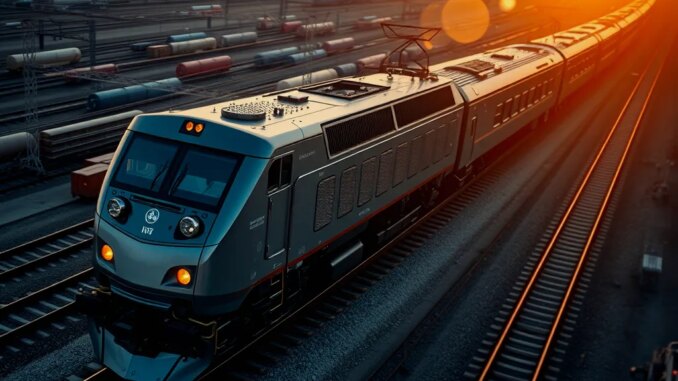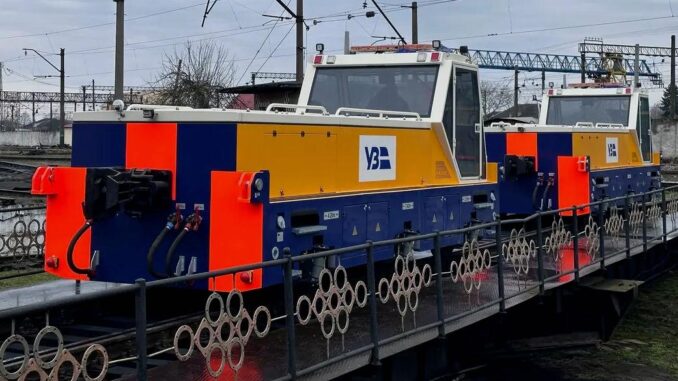
In a bold move towards modernizing its rail infrastructure, Ukrzaliznytsia, Ukraine’s national railway operator, is embracing cutting-edge technology to reduce emissions and boost operational efficiency. The recent acquisition of two ES3000 battery-powered shunting locomotives from Bulgaria marks a significant milestone, signaling a strategic shift from traditional diesel engines to sustainable energy solutions. This transition not only enhances environmental compliance but also positions Ukraine as a leader in innovative railway transportation within Eastern Europe.
Ukrzaliznytsia’s ongoing efforts to replace older rolling stock with state-of-the-art models are driven by the urgent need to meet international standards of energy efficiency and eco-friendliness. The new electric hybrid locomotives are tailored specifically to Ukraine’s unique gauge and operational demands, ensuring seamless integration into the existing infrastructure. This tailored approach demonstrates the railway’s commitment to maximizing performance while minimizing ecological impact, crucial for maintaining competitiveness in a rapidly evolving regional transport network.
Strategic Partnership and Technical Customization
The collaboration with Express Service OOD of Bulgaria exemplifies a strategic partnership rooted in technological excellence. These locomotives are designed explicitly for 1,520 mm gauge tracks, ensuring they align perfectly with Ukraine’s standard rail dimensions. The project is financed with support from the European Bank for Reconstruction and Development (EBRD), underscoring its importance on an international scale and guaranteeing adherence to high safety and efficiency standards.
The transition to battery-operated locomotion presents numerous operational advantages. It reduces dependence on fossil fuels, cuts down carbon emissions, and offers operational flexibility, especially in sensitive or environmentally protected zones where diesel emissions are restricted. Moreover, the silent operation of these hybrid units minimizes noise pollution, creating healthier working conditions for railway staff and reducing community disturbance.
Technical Specifications and Benefits of ES3000
| Feature | Specification |
| Operating Weight | 48 Tons |
| Load Capacity | Up to 3,000 Tons (adjustable) |
| Battery Capacity | 220 kWh |
| Charging Time | Maximum 5.5 Hours |
| Nominal Power | 90 kW (with short-term 250% capacity) |
| Top Speed | 10 km/h (adjustable) |
The ES3000 model epitomizes innovation—offering a blend of environmentally friendly technology with high-performance capabilities. The battery system, with a capacity of 220 kWh, supports significant hauling power while maintaining low operational costs. Its short charging window of approximately 5.5 hours ensures quick turnaround times, critical for maintaining a tight schedule on busy rail lines.
Operational Impact and Future Expansion
This initial batch of two units is part of a broader plan to phase out extant diesel shunters in favor of cleaner alternatives. Ukrainian authorities project the deployment of a total of eight ES3000 locomotives within this year, transforming their operational landscape. Their deployment will quickly demonstrate tangible benefits—reduced emissions, lower fuel costs, and less maintenance downtime—accelerating the shift to electrification across the entire network.
To ensure seamless integration, Ukrainian engineers and mechanics will undergo specialized training programs, covering both theoretical knowledge and practical skills necessary to operate and maintain these advanced units. The emphasis on workforce readiness underscores the strategic importance of the project, ensuring sustainability beyond initial deployment.
Sustainability and Environmental Goals
The adoption of battery locomotives aligns perfectly with Ukraine’s broader commitments to sustainable development and regional climate targets. Reducing reliance on diesel fuels directly cuts greenhouse gas emissions, supporting Ukraine’s pledge toward a greener future. Furthermore, this initiative contributes to improved air quality around rail corridors, especially in urban or ecologically sensitive areas.
Beyond environmental benefits, the project enhances operational resilience. Battery-powered locomotives provide flexibility in areas where power grid access may be limited or inconsistent, ensuring reliable service even amid infrastructure challenges. Their integration also signifies a step forward in digitalization and automation, paving the way for more sophisticated, data-driven rail management systems.